Pratella was part of the 'Generation of '80', a group of musicians including Ottorino Respighi and Alfredo Casella, who aimed to renew Italian music in the early 20th century.
Composer Biography
Francesco Balilla Pratella's father, an ardent republican, gave him the middle name Balilla after a boy who triggered a rebellion against Habsburg occupiers in 1746.
Composer's Artistic Vision
Pratella's Futurist manifestos rejected traditionalism, attacked music critics, fought against the 'Tosti-style romance,' and dismissed sacred music, proposing an atonal harmonic mode.
Composer Biography
Pratella's ethnomusicological studies culminated in two books, Le arti e le tradizioni popolari d'Italia (1941) and Etnofonia in Romagna (1938), and he founded 'Canterini Romagnoli' groups to revive Romagna's folk music.
Compositional Technique
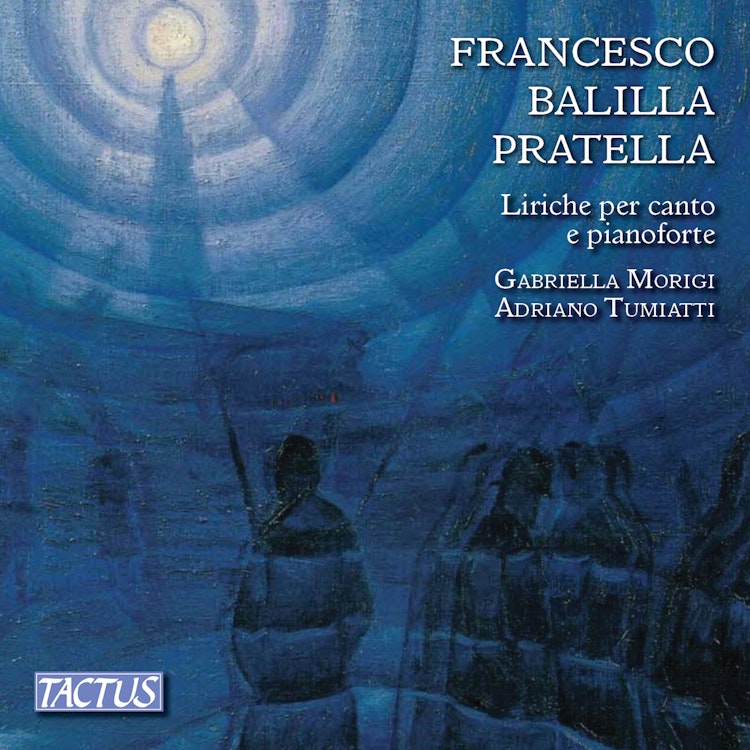
Pratella's early works, like Liriche Op. 7, show a connection to his guitar background, with piano accompaniments featuring rapidly arpeggiated chords mimicking a guitar.
Composer's Artistic Vision
Pratella found his artistic home in Filippo Tomaso Marinetti's Futurism, becoming a multifaceted musical figure interested in theory, rediscovering 17th-18th century Italian instrumental music, and renewing Romagna's folk music tradition.
Composition History
Pratella's Manifesto dei Musicisti Futuristi, inspired by Marinetti's 1909 Futurist Manifesto, was printed in 1910, followed by two more manifestos in 1911 and 1912.
You might also enjoy...
Arias
Lieder im Volkston
Intoxication
Russian Romances
Schubert, Brahms & Verdi: Vocal Works
Pizzetti: Liriche, Complete Songs for Voice & Piano