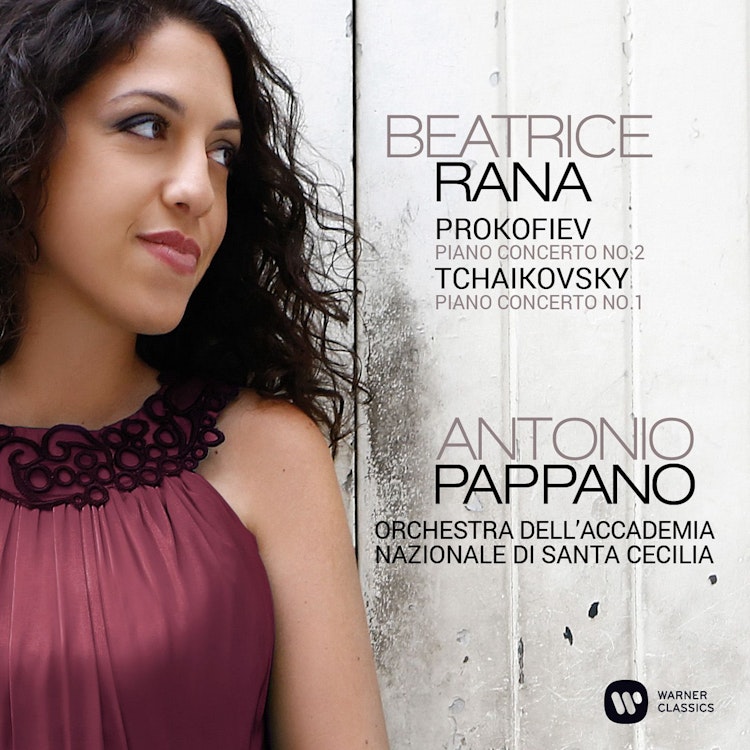
Prokofiev: Piano Concerto No. 2 - Tchaikovsky: Piano Concerto No. 1
11/27/2015, 7 Tracks, 1:07:02
Featuring
Antonio Pappano
Beatrice Rana
Orchestra dell'Accademia Nazionale di Santa Cecilia
Sergei Prokofiev
Pyotr Ilyich Tchaikovsky
Did you know?
1/7
Composition History
Tchaikovsky's Piano Concerto No.1 was initially deemed 'worthless' and 'unplayable' by pianist Nikolai Rubinstein, who later became one of its leading exponents.
Composer's Artistic Vision
Sergei Prokofiev, bored with his conservatory's conservative curriculum, rebelled against the Romantic notion of the piano as a 'singing' instrument, insisting it was a percussive one.
Recording & Production
This album is Beatrice Rana's debut recording for Warner Classics, capturing a special collaboration with Maestro Antonio Pappano and the Orchestra dell'Accademia Nazionale di Santa Cecilia.
Compositional Technique
Tchaikovsky incorporated popular tunes into his Piano Concerto No.1, drawing inspiration from a song sung by blind beggars in Ukraine and a French chanson he enjoyed singing with his brothers.
Composition History
The original manuscript of Prokofiev's Piano Concerto No.2 was used as fuel by tenants in his Petrograd apartment to 'cook an omelet' while he was on tour, forcing him to reconstruct it from memory.
Interpretation
Pianist Beatrice Rana describes the two concertos on this album, Prokofiev's Piano Concerto No.2 and Tchaikovsky's Piano Concerto No.1, as masterpieces of Russian literature, united by their dramatic power and revolutionary character.
Cultural Impact
The introductory theme of Tchaikovsky's Piano Concerto No.1 has been widely embraced by pop culture, appearing in Freddy Martin's 1940s hit 'Tonight We Love' and a disco version for 'Late Night with David Letterman'.
You might also enjoy...
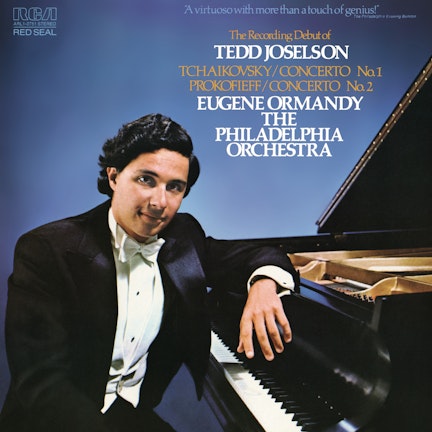
Tchaikovsky: Piano Concerto No. 1 in B-Flat Minor, Op. 23 - Prokofiev: Piano Concerto No. 2 in G Minor, Op. 16
Best of Rachmaninoff: Piano Concertos
Rachmaninov: Piano Concertos Nos. 1 & 4; Paganini Variations
Pabst: Concerto for piano and orchestra in E-Flat Major - Rimsky-Korsakov: Concerto for piano and orchestra in C-Sharp Minor - S
Prokofiev: Piano Concertos Nos.1 & 3/Bartok: Piano Concerto No.3
Martha Argerich - Concerti
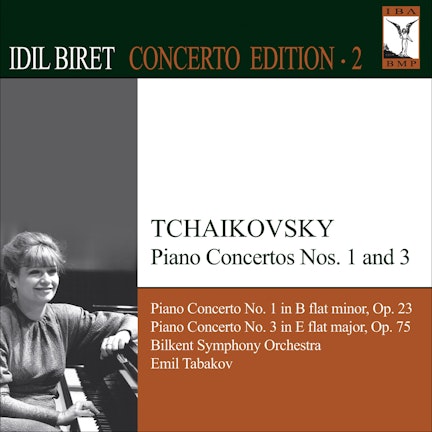
Tchaikovsky & Prokofiev Piano Concertos
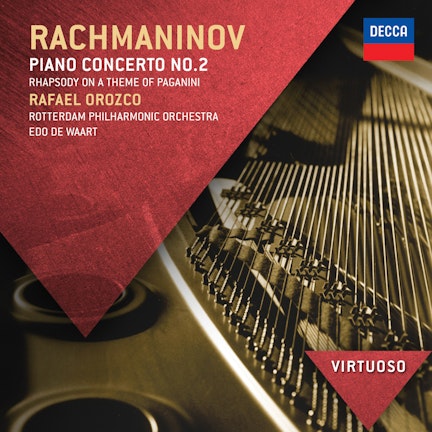
Rachmaninov: Piano Concerto No.2; Rhapsody on a theme of Paganini