At the time of his Second Sonata, Prokofiev was seen by some as an 'enfant terrible' of Russian music, while others, like critic Igor Glebov (Boris Asafiev), praised his fresh, audacious style.
Compositional Technique
The Sixth Sonata features a 'fate motif' reminiscent of Beethoven, which is introduced by descending major thirds and irregular accents, evoking a tolling bell.
Historical Context
The 'War Sonatas' were written during a period of immense turmoil, including the 'Great Terror' in the Soviet Union, which affected Prokofiev's friends and colleagues, and the impending World War II.
Compositional Technique
Prokofiev frequently used a 'reminiscence technique' in his piano sonatas, where themes from earlier movements reappear later, a feature found in seven of his nine sonatas.
Composition History
Prokofiev reused musical material from unrealized projects based on Alexander Pushkin's works, such as 'The Queen of Spades' and 'Eugene Onegin,' in his Eighth Piano Sonata.
Composer Biography
Sergei Prokofiev, a brilliant pianist, composed all his works, including operas, ballets, and symphonies, at the piano.
Composition History
Prokofiev's Sonatas No. 6, 7, and 8, known as the 'War Sonatas,' were conceived simultaneously in 1939, with the composer working on all ten movements at once.
You might also enjoy...
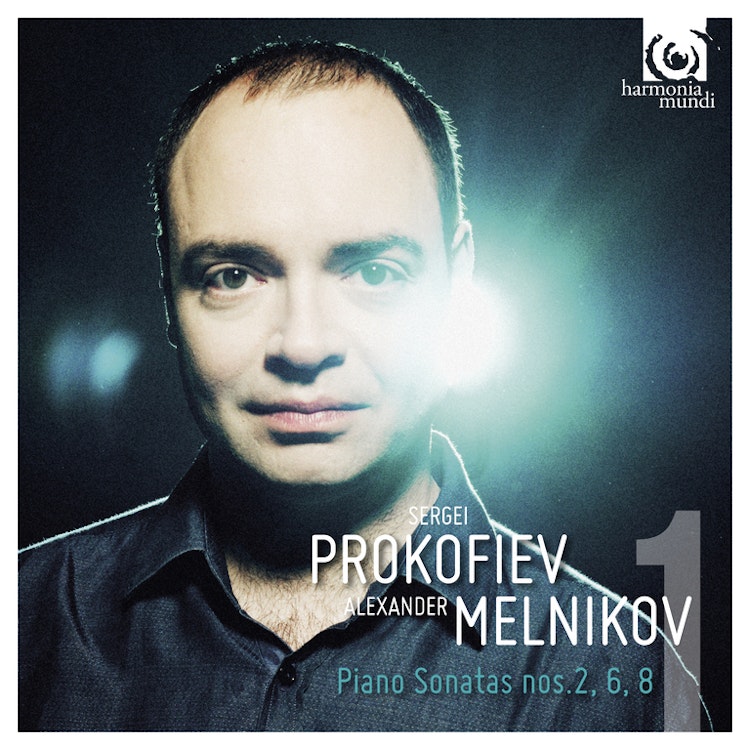
Prokofiev: Piano Sonata No. 8 in B-Flat Major, Op. 84
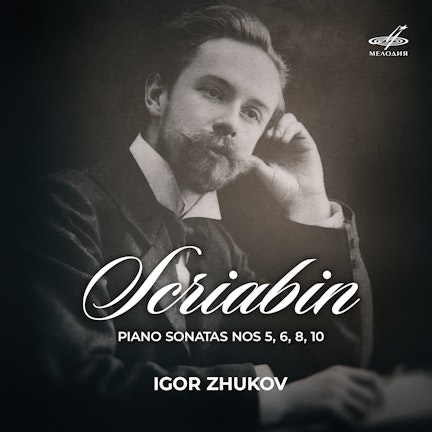
Scriabin: Piano Sonatas Nos. 5, 6, 8, 10
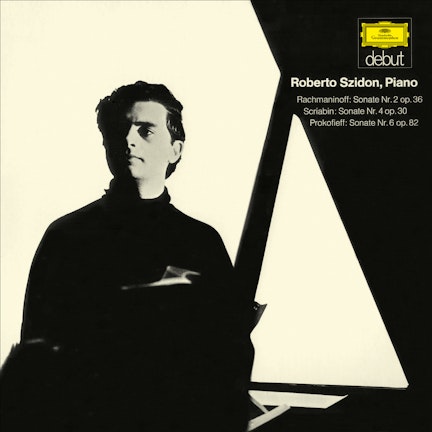
Rachmaninoff: Piano Sonata No. 2 in B-Flat Minor, Op. 36: II. Non allegro - Lento
Prokofiev: War Sonatas
Medtner: Sonata Op. 5 / Sonata-Triad Op. 11
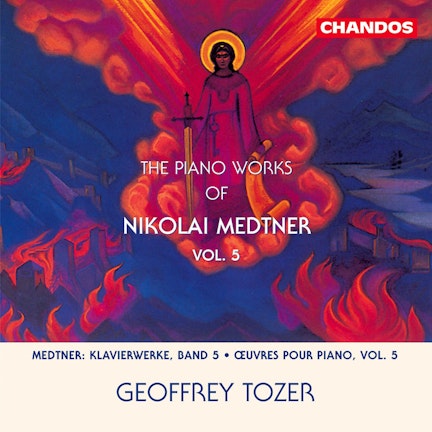
Medtner: Piano Works, Vol. 5
Scriabin: Piano Sonata No.2 in G Sharp Minor, Op. 19 "Sonata Fantasy"
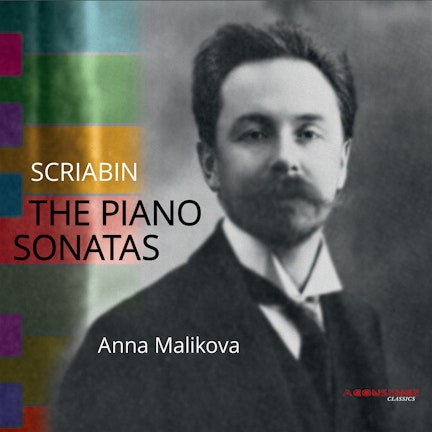
Scriabin: The Piano Sonatas
Prokofiev: Piano Sonata No. 8 in B-Flat Major, Op. 84 & Piano Sonata No. 2 in D Minor, Op. 14