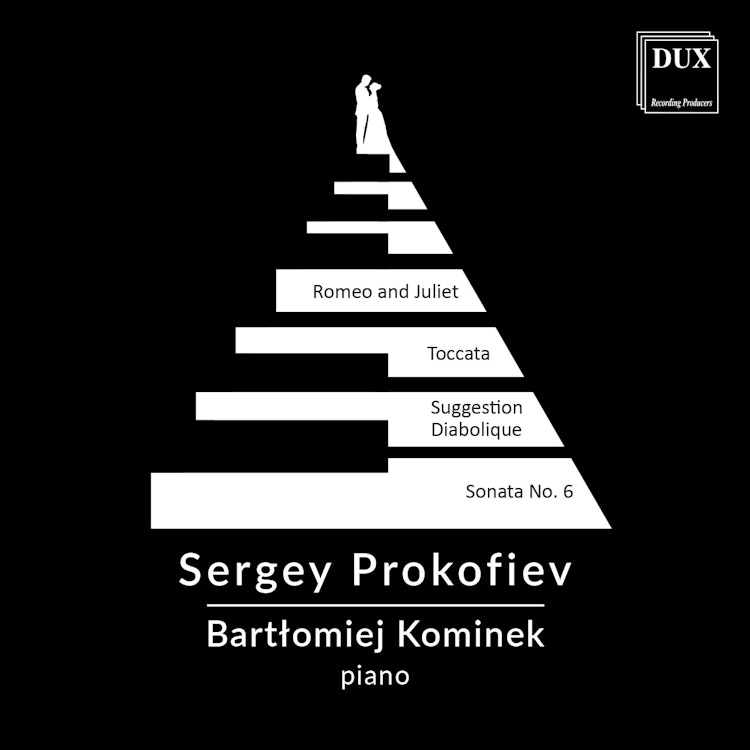
Prokofiev's Toccata in D Minor Op. 11 was met with strong reactions, with one contemporary composer, Nikolai Medtner, stating, "If this is music, then I am not a musician."
Composition History
Prokofiev intentionally chose provocative pieces, including an early Sonata No. 6 and the finale of his opera "A Feast in Time of Plague," for his 1909 composition exam, resulting in a low grade.
Historical Context
The Bolshoi Theatre's rejection of Prokofiev's "Romeo and Juliet" ballet was likely due to fear of criticism, similar to what Dmitry Shostakovich faced for his opera "Lady Macbeth of the Mtsensk District," which was encouraged by Stalin.
Composition History
Sergey Prokofiev's ballet "Romeo and Juliet" faced initial rejections from both the Kirov Theatre in Leningrad and the Bolshoi Theatre in Moscow, despite a signed contract and the composer providing a happy ending.
Performer Biography
The pianist on this album, Bartłomiej Kominek, portrayed Fryderyk Chopin in a film produced by Japanese Television.
Composer's Artistic Vision
Prokofiev himself considered his "toccata thread"—a motoric style influenced by Robert Schumann's Toccata—to be the "least valuable" aspect of his musical output.
Compositional Technique
Prokofiev's early work "Suggestion Diabolique" features "minor-ninth-based progressions," which his professor Anatoly Lyadov maliciously questioned.
You might also enjoy...
Prokofiev, S.: Piano Music, Vol. 3 - Piano Sonatas Nos. 3 and 5 / 10 Pieces / Pensées / 4 Pieces
Prokofiev: Complete Music for Solo Piano
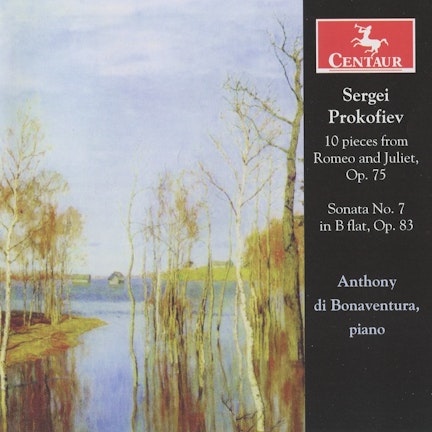
Prokofiev: 10 Pieces from Romeo and Juliet - Sonata No. 7
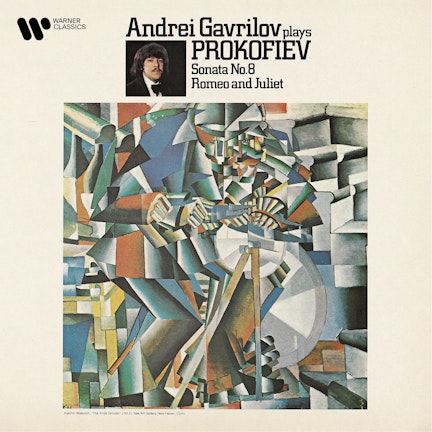
Prokofiev: Piano Sonata No. 8, Op. 84 & Pieces from Romeo and Juliet, Op. 75
Prokofiev: Sonatas Nos. 2 & 7 & Cinderella & War and Peace & Love For 3 Oranges
Prokofiev, S.: Piano Music, Vol. 4 - Piano Sonatas Nos. 2 and 4 / 4 Pieces / Music for Children / Things in Themselves
Richter Performs Prokofiev (Live)
Prokofiev: Piano Concerto No. 3
Prokofiev: Complete Piano Music Vol. 2
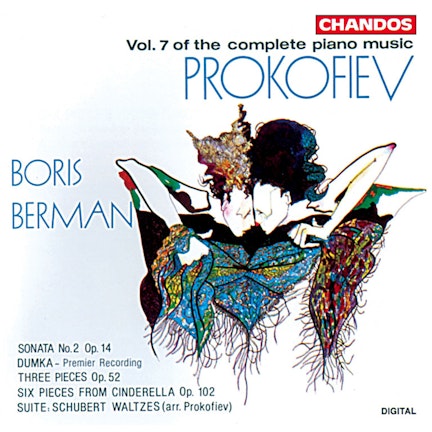
Prokofiev: Complete Piano Music, Vol. 7
Prokofiev: Sarcasms, Piano Sonata No. 5, Visions fugitives