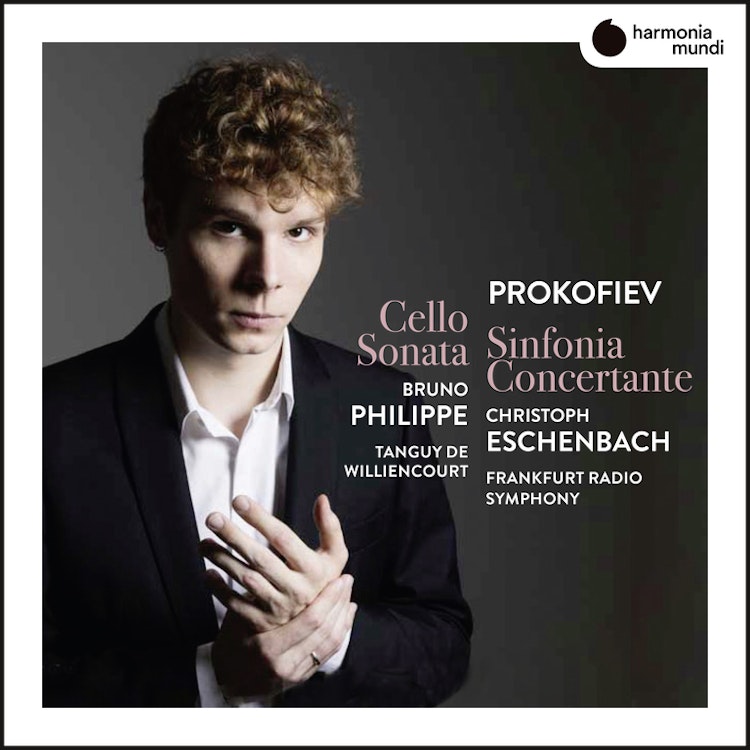
Two late Prokofiev works for cello extend Bruno Philippe's exploration of Russian music. His recital partner, pianist Tanguy de Williencourt, joins him for the Cello Sonata, written in 1949. The Sinfonia concertante (also known as the Symphony-Concerto) was written just after, and premiered in 1952. Both works were originally written for Mstislav Rostropovich. Philippe's mentor Christoph Eschenbach conducts the HR-Sinfonieorchester in the Sinfonia concertante.
Featuring
Bruno Philippe
Christoph Eschenbach
Tanguy de Williencourt
Sinfonie-Orchester des Hessischen Rundfunks
Sergei Prokofiev
Did you know?
1/7
Composition History
Prokofiev's Sonata for Cello and Piano, Op. 119, was composed in 1949 after the cellist Mstislav Rostropovich, who had been Prokofiev's composition student, sparked renewed interest in the instrument.
Performer Biography
Bruno Philippe, the cellist on this recording, was awarded the 'Révélation Soliste Instrumental' at the Victoires de la Musique Classique in 2018.
Notable Performances
The Moscow premiere of Prokofiev's Symphony-Concerto, Op. 125, on February 18, 1952, marked the only time Sviatoslav Richter, the pianist, assumed the role of conductor.
Compositional Technique
Prokofiev often used a cyclical principle in his works, such as in the Cello Sonata, Op. 119, where the theme of the opening movement's introduction reappears in the majestic coda of the finale.
Instruments
Cellist Bruno Philippe performs on a Carlo Tononi cello, which is on loan from the Beare's International Violin Society.
Composer Biography
Prokofiev considered C major, the key of his Cello Sonata, Op. 119, his favorite tonality, describing it as a 'white-note key'.
Composition History
The Symphony-Concerto, Op. 125, is a thorough revision of Prokofiev's earlier Cello Concerto, Op. 58, which had been a disappointment at its 1938 premiere.
You might also enjoy...
Prokofiev: Sinfonia concertante - Sonata for Cello and Piano
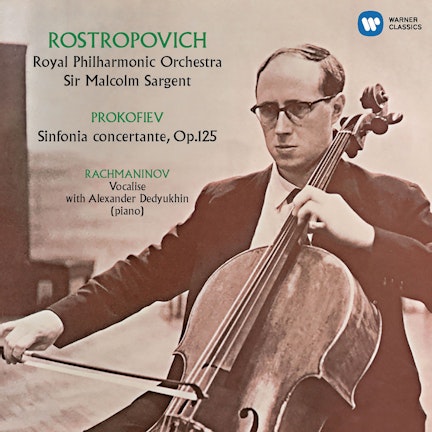
Prokofiev: Sinfonia concertante in E Minor & Cello Sonata in C Major
Prokofiev: Symphony-Concerto - Cello Sonata
Poltéra Plays Prokofiev
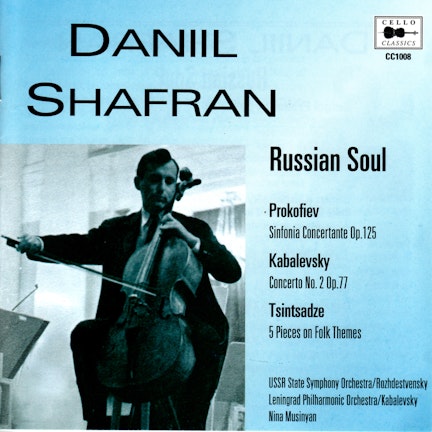
Russian Soul
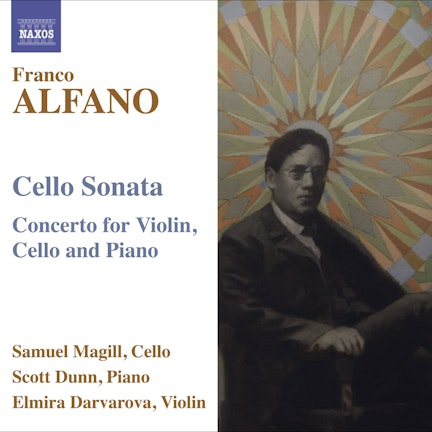
Alfano, F.: Cello Sonata / Concerto for Violin, Cello and Piano