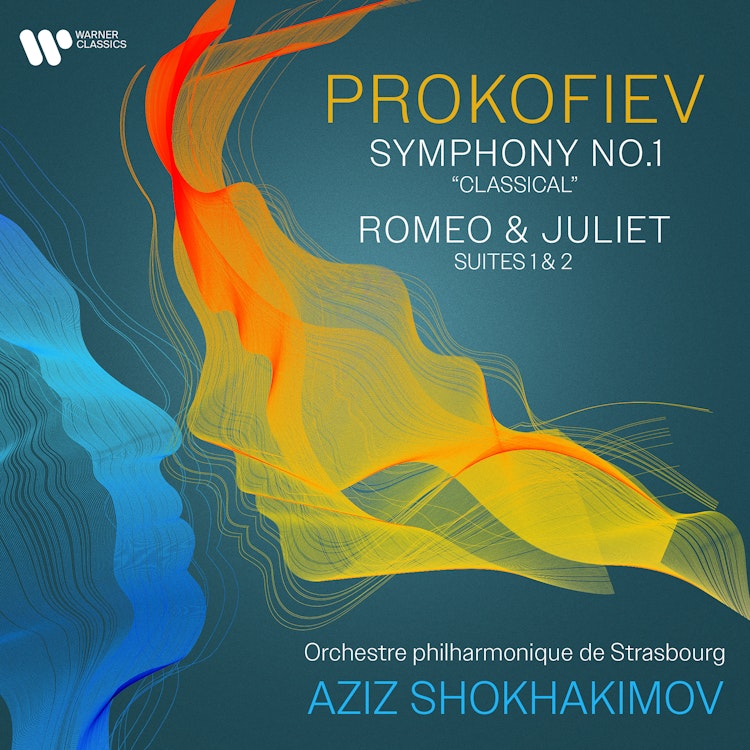
Prokofiev: Symphony No. 1 "Classical", Suites Nos. 1 & 2 from Romeo and Juliet
6/7/2024, 18 Tracks, 1:11:31
Featuring
Aziz Shokhakimov
Orchestre Philharmonique de Strasbourg
Sergei Prokofiev
Did you know?
1/7
Composition History
The commission for Prokofiev's ballet Romeo and Juliet is seen as an 'inducement' by the Soviet regime to secure the composer's return to his homeland.
Compositional Technique
For his 'Classical' Symphony, Prokofiev composed without a piano and used a conventional classical orchestration, including two of each wind instrument, trumpets, horns, timpani, and strings.
Composer Biography
Prokofiev was considered one of the finest pianists of his time, alongside Sergei Rachmaninoff and Vladimir Horowitz, before he returned to the Soviet Union.
Composer's Artistic Vision
Prokofiev titled his Symphony No. 1 'Classical' as a challenge, hoping it would achieve classic status and to provoke adherents of the classical tradition.
Composition History
Sergei Prokofiev, the composer, finished his Symphony No. 1 'Classical' just days before the Russian Revolution.
Critical Reception
The premiere of Prokofiev's Romeo and Juliet ballet was delayed because Soviet institutions feared its psychological depth broke with traditional ballets and declared it 'undanceable'.
Composer's Artistic Vision
Prokofiev allowed conductors to create their own suites from his three symphonic suites of Romeo and Juliet, making each concert selection unique.
You might also enjoy...
Prokofiev: Symphony No. 5 & Suites from Romeo and Juliet
Stravinsky: Symphony in Three Movements, Jeu de Cartes & Apollon Musagete
Ultimate Ballet Album (The)
Tchaikovsky, P.: Waltzes From Eugene Onegin / Nutcracker / Swan Lake / Sleeping Beauty / Serenade / Symphony No. 5
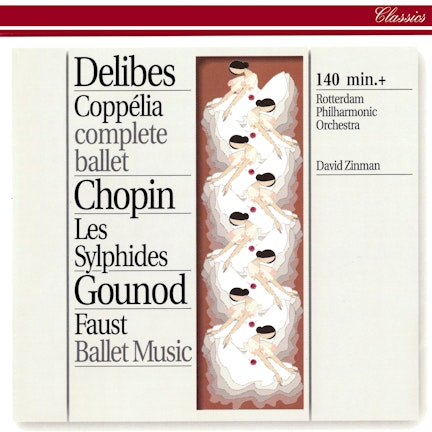
Delibes: Coppélia / Chopin: Les Sylphides / Gounod: Faust Ballet Music
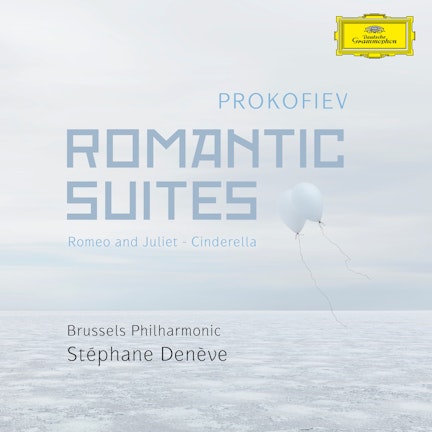
Prokofiev: Romantic Suites
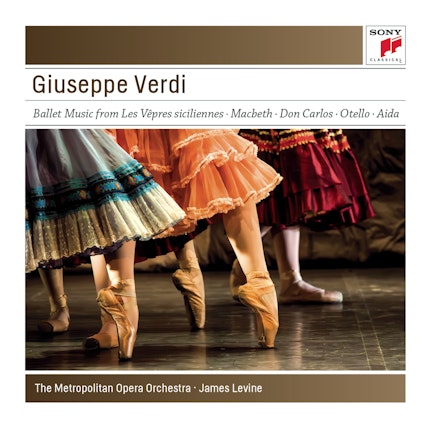
Verdi: Ballet Music from the Operas
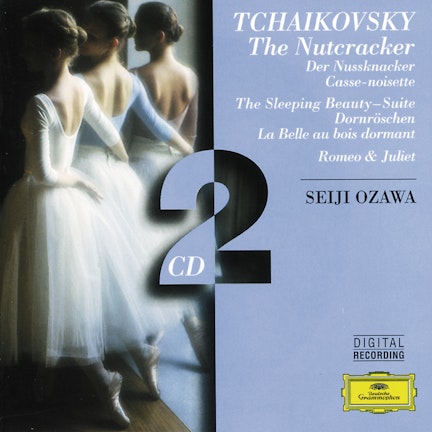
Tchaikovsky: The Nutcracker / The Sleeping Beauty / Romeo and Juliet
Prokofiev: Romeo and Juliet Suites Nos. 1 and 2 - Pushkin Waltz No. 2
Prokofiev: Romeo and Juliet - Suites Nos. 1 & 2 / Mussorgsky: A Night on the Bare Mountain