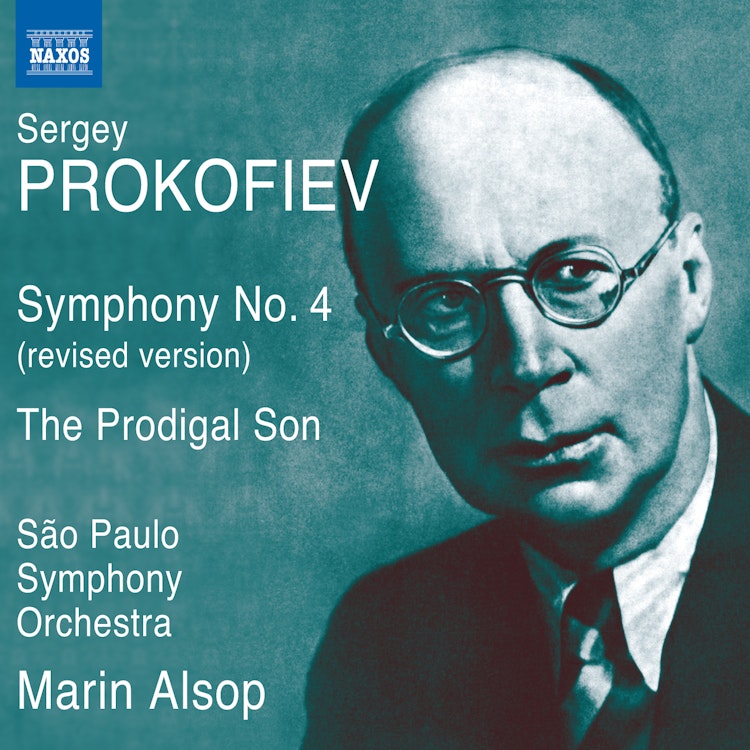
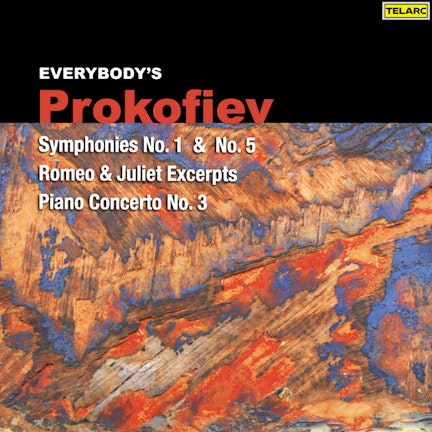
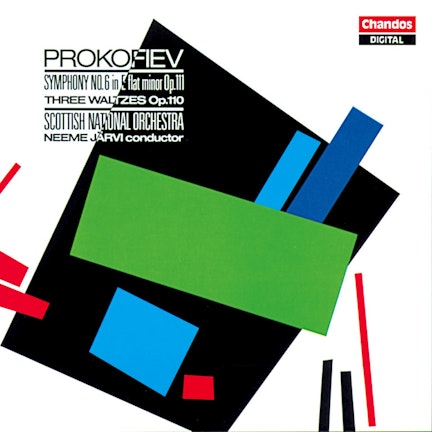
Prokofiev left Russia with official permission after the Revolution, unlike Stravinsky and Rachmaninov, with the intention of returning home.
Historical Context
Prokofiev settled back in Russia in 1936, just as an official crackdown on music that didn't align with government aims began, notably targeting Shostakovich's opera Lady Macbeth of Mtsensk District.
Composer Biography
Sergey Prokofiev, the composer, was an only child whose musical talents were fostered by his mother, a cultured amateur pianist.
Composer Biography
Sergey Prokofiev died in 1953 on the same day as Joseph Stalin, and thus never benefited from the subsequent relaxation in official policy towards the arts.
Performer Biography
Marin Alsop, the conductor, made history in 2013 as the first woman to conduct the iconic Last Night of the Proms.
Compositional Technique
The revised version of Prokofiev's Symphony No. 4, Op. 112, is lengthened and features an enriched orchestration with the addition of a piccolo clarinet, piano, and harp.
Composition History
Prokofiev's Symphony No. 4, Op. 47, was largely derived from his ballet L'enfant prodigue (The Prodigal Son) and was commissioned for the fiftieth anniversary of the Boston Symphony Orchestra.
You might also enjoy...
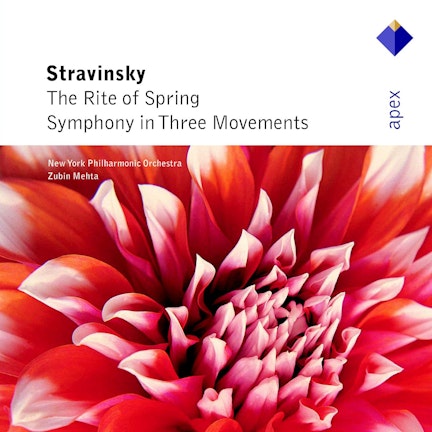
Stravinsky: Symphonie en 3 mouvements & Jeu de cartes