Prokofiev: Visions fugitives, Piano Sonata No. 8, Romeo & Juliet
1/22/2021, 28 Tracks, 1:22:58
Featuring
Nicholas Angelich
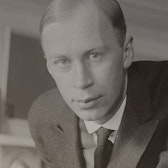
Sergei Prokofiev
Did you know?
1/7
Historical Context
Prokofiev moved to the USSR in 1936, despite friends' advice, and served as an official composer, but his music was censored for 'anti-democratic' tendencies by Stalin's propagandist Andrei Zhdanov.
Composition History
The 'Visions fugitives' were inspired by two lines from Prokofiev's friend, the symbolist poet Constantin Balmont: 'In every fleeting vision I see worlds / full of the volatile play of rainbows'.
Recording & Production
The recording venue, La Grange au Lac in Évian-les-Bains, France, was built in eight months and is made entirely of wood, designed to sound like the inside of a cello.
Composer Biography
Sergei Prokofiev, the composer, was initially known as a virtuoso pianist, with Francis Poulenc describing his playing style as 'marvellous' and having 'steel-like sinewy strength'.
Composer's Artistic Vision
Prokofiev claimed that the sonata form contained 'everything necessary for my structural purposes' and his nine piano sonatas are central to his output.
Historical Context
Prokofiev was branded an 'enemy of the people' and died on the same day as Stalin, March 5, 1953, with his death passing almost unnoticed.
Composition History
Prokofiev's Piano Sonata No. 8, Op. 84, is part of a trilogy known as the 'war sonatas' (Nos. 6, 7, and 8), which he conceived as a single, large eleven-movement sonata.
You might also enjoy...
Prokofiev: Sonata No. 6 & Visions fugitives
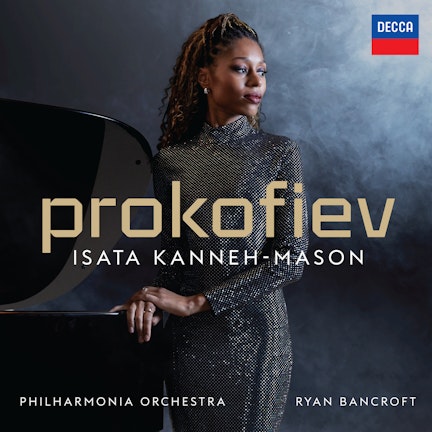
Prokofiev: Piano Works
Prokofiev: Complete Piano Music, Vol. 4
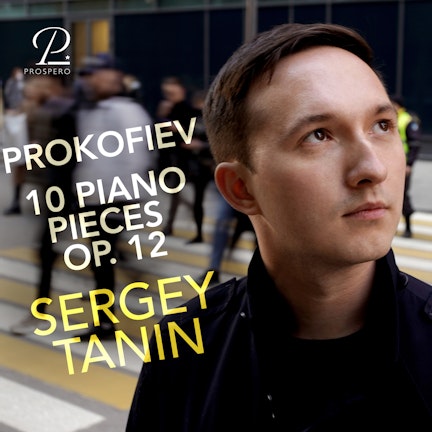
Prokofiev: 10 Piano Pieces Op. 12
Prokofiev: 10 Pieces for Piano, Op. 12: No. 7, Prélude
Prokofiev: 10 Pieces for Piano from "Romeo and Juliet", Op. 75: No. 4, Juliet as a Young Girl
Prokofiev, S.: Cinderella Suite / Music for Children / Gavotta / Prelude