Puccini frequently reused melodies from his earlier works in his 'great' operas, as seen with the aria Mentìa l'avviso, which later became 'Donna non vidi mai' in Manon Lescaut.
Composer's Artistic Vision
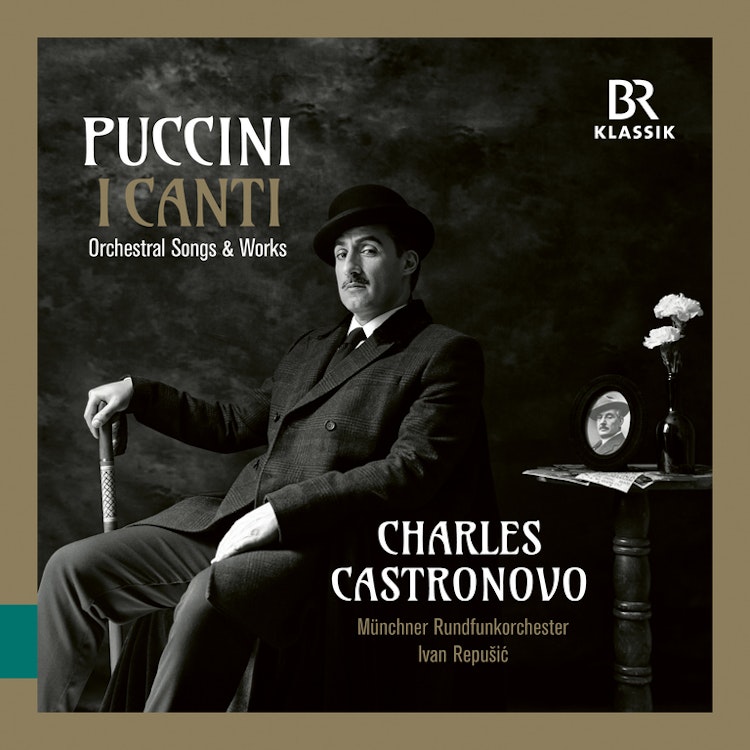
Puccini's I Canti, though written for various occasions and lacking a thematic connection, form a chronicle of his life, from youthful love songs to later, more impressive works.
Composition History
Puccini composed Crisantemi, originally a string quartet, in a single night to commemorate Duke Amedeo di Savoia, who died on January 18, 1890.
Compositional Technique
Puccini's symphonic youth works, composed during his studies at the Milan Conservatory, reflect the influence of his teacher Amilcare Ponchielli and Richard Wagner.
Performer Biography
Tenor Charles Castronovo, born in New York, is considered one of the finest lyric tenors of his generation and has performed at leading opera houses worldwide.
Compositional Technique
Puccini's piano songs, I Canti, often feature a simple accompaniment that suggests they were not originally conceived for piano, leaving room for orchestral arrangements.
Composition History
The Capriccio sinfonico (1883) by Puccini is a source of later operatic melodies, with its opening section being almost identical to the beginning of his opera La bohème.