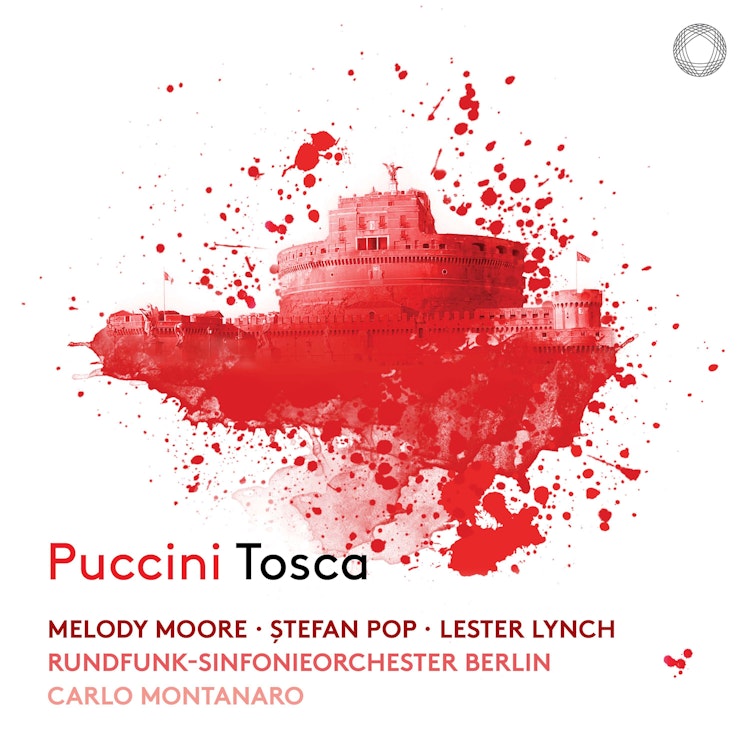
The villain Scarpia's leitmotif in Tosca uses a tritone relationship (B-flat and E) and a whole-tone scale, traditionally known as "diabolus in musica," to represent his corrupt power.
Compositional Technique
The opera Tosca features an omnipresence of duets, which initially concerned Puccini's publisher and co-librettist Giuseppe Giacosa, who feared it would be monotonous.
Composition History
Puccini first saw Victorien Sardou's play La Tosca in 1889 and believed it was the perfect subject for an opera, noting its concise plot and psychological depth.
Critical Reception
Puccini's opera Tosca was an audience favorite from its premiere, but critical acclaim was slower to come, with some critics finding it "too violent" or sensationalist.
Composition History
Puccini was initially skeptical about including the famous aria 'Vissi d'arte' in Tosca, fearing it would slow down the dramatic action, but it ultimately contributed to the opera's success.
Compositional Technique
Tosca, premiered in 1900, is considered a pioneering work in 20th-century opera for its exploration of sex, violence, and the human psyche.
Composition History
Puccini's interest in Tosca initially waned, leading his publisher Giulio Ricordi to offer the subject to fellow composer Alberto Franchetti, before eventually returning to Puccini.