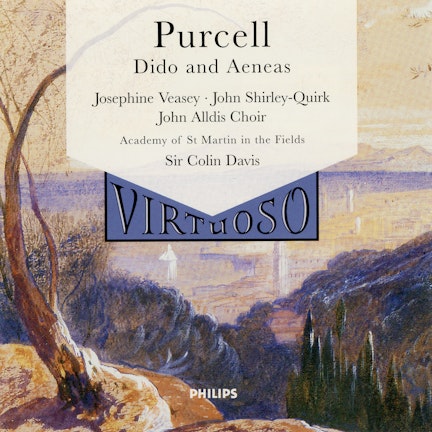
Dido and Aeneas transferred to the professional stage in 1700, where it was re-ordered into free-standing masques to serve as 'musical entertainments' for Shakespeare revivals.
Compositional Technique
Purcell's score for Dido and Aeneas is remarkably economical; no single number, including grand set-pieces, is as long as a hundred bars.
Composition History
In 1689, Josias Priest, a dancing master and boarding school proprietor, arranged a version of Dido and Aeneas for his girls' school in Chelsea.
Interpretation
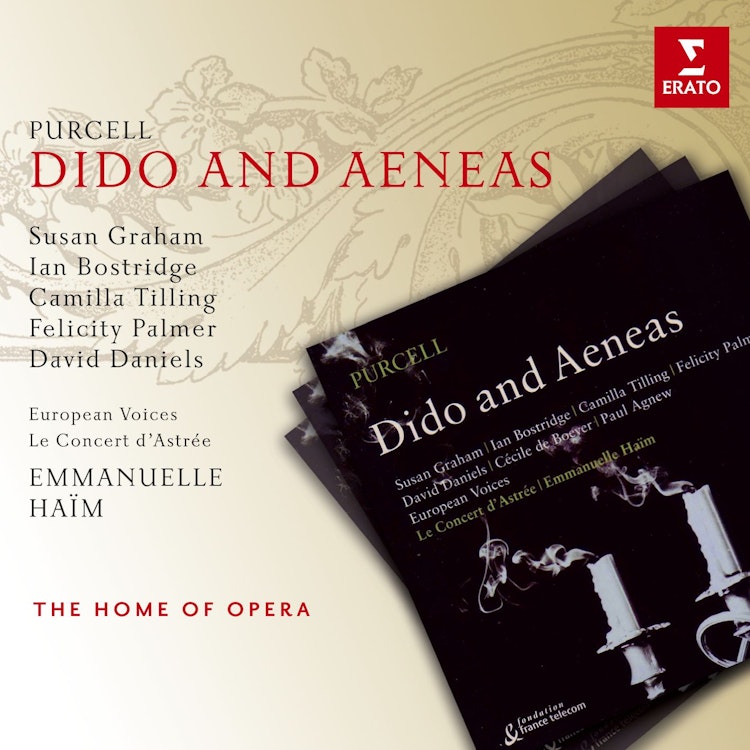
The conductor Emmanuelle Haïm favors combining different historical versions of Dido and Aeneas, including the girls' school dance additions, to create a 'complete' modern performance.
Compositional Technique
The famous Lament in Dido and Aeneas, a ground-bass movement, uses a chromatically descending bass line, a common technique of the period, to support a vocal line that is almost entirely free of chromaticism.
Composition History
Purcell's Dido and Aeneas was likely commissioned for a court performance in 1683/84 as a companion piece to John Blow's Venus and Adonis.
Historical Context
In Restoration England, the witches in Dido and Aeneas, though not believed to have actual powers, were a potent symbol of Roman Catholicism in the rabidly anti-Catholic atmosphere of the 1680s.
You might also enjoy...
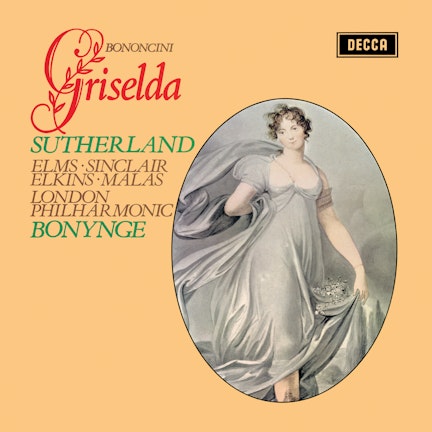
Bononcini: Griselda – Excerpts
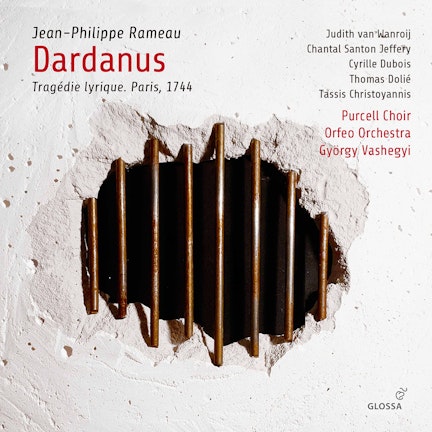
Rameau: Dardanus, RCT 35 (Revised 1744 Version)
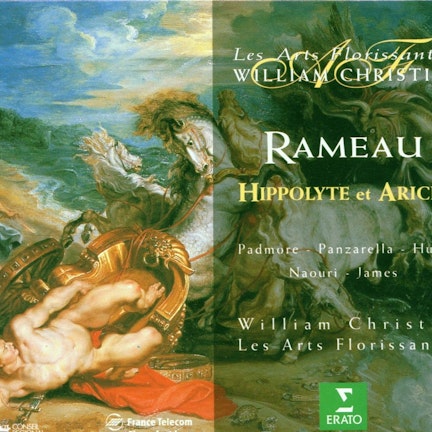
Rameau : Hippolyte et Aricie
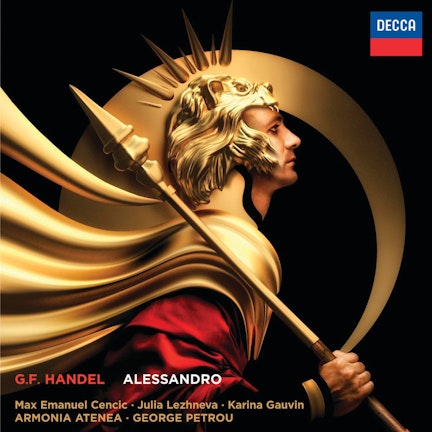
Handel: Alessandro
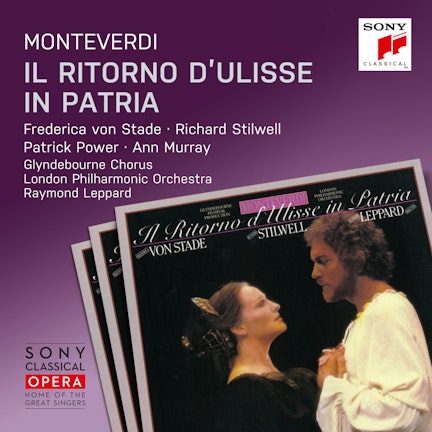
Monteverdi: Il ritorno d'Ulisse in patria, SV 325
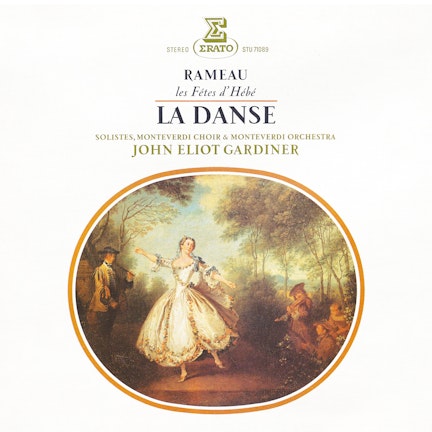
Rameau: La Danse, extrait des Fêtes d'Hébé
Colin de Blamont: Les Fêtes grecques et romaines
Handel: Acis und Galatea, HWV 49
Gluck: Armide
Alessandro Scarlatti: Griselda, Op. 114, R. 357/66 (Live)