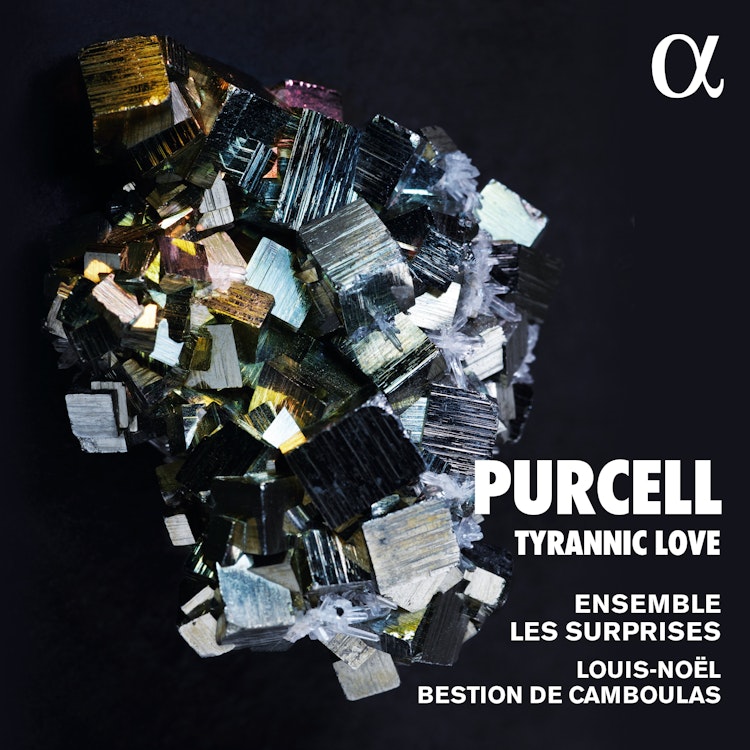
The 'Mad Songs' featured on this album, like 'I burn, my brain consumes to ashes,' depict a woman losing her reason due to love, reflecting a contemporary fascination with 'the bizarre' and 'folly'.
Composition History
Henry Purcell spent most of his final years composing for the theatre, a career shift that occurred after new monarchs William III and Mary reduced court music in 1690.
Performer Biography
Ensemble Les Surprises, founded in 2010 by viol player Juliette Guignard and organist/harpsichordist Louis-Noël Bestion de Camboulas, is named after Jean-Philippe Rameau's opéra-ballet 'Les Surprises de l'Amour'.
Composition History
All plays in Purcell's time required music, including instrumental pieces before and between acts, and music for stage dancing.
Historical Context
After the austere Commonwealth period, King Charles II, influenced by his time in exile at the French court, reopened English theatres and promoted royal arts and music, even bringing French musicians to England.
Historical Context
The album's music was created during a period in England marked by epidemics, famines, internal religious conflicts, and wars between kingdoms.
Composer's Artistic Vision
Henry Purcell, a central composer on this album, was a master at depicting amorous themes in his music, portraying love as tragic, passionate, light, mischievous, comical, or satirical.
You might also enjoy...
Nuit de Noël
Masters of Baroque
ANTONIO: Lotti - Caldara - Vivaldi
Taylor, Daniel (The Best Of)
Pachelbel's Canon & Other Baroque Favourites
Bach, Buxtehude & Telemann
In an Italian Garden: Aria, Cantatas & Madrigals
Stradella : La bellissima speranza (Cantate, duetti e sinfonia)