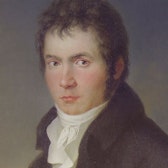
Beethoven transformed the piano trio from a charming salon piece into a grand concert piece, influencing later Romantic composers like Schubert, Schumann, and Tchaikovsky.
Critical Reception
Haydn, a major Classical composer, had reservations about Beethoven's Piano Trio Op.1 No.3, doubting the public's capacity to understand its originality.
Compositional Technique
Beethoven expanded the piano trio genre by giving all three instruments a more equal and balanced footing, moving away from the piano's dominant role.
Composer Biography
A disastrous performance of the 'Archduke' Trio, Op.97, due to Beethoven's deafness, led him to abandon his career as a public performer in ensemble pieces.
Performer Biography
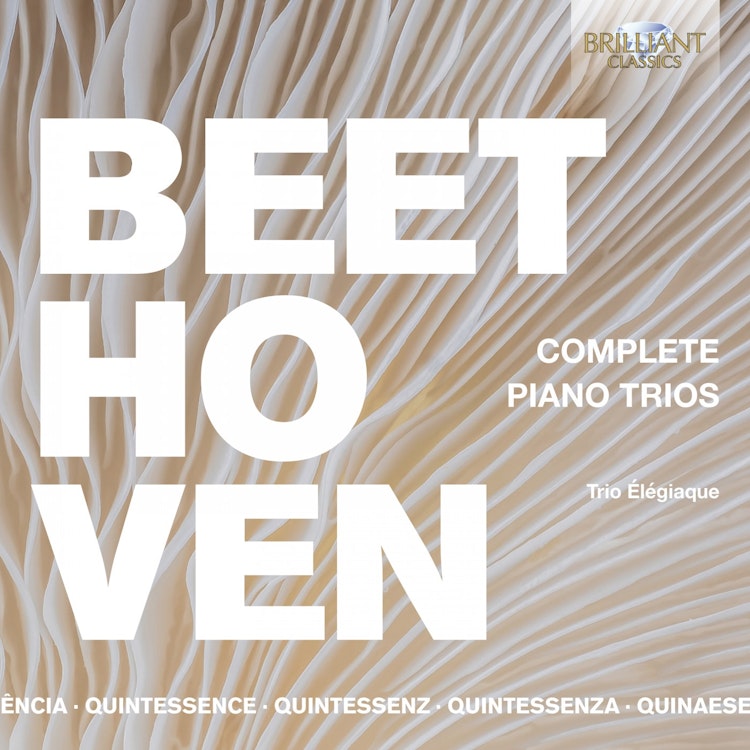
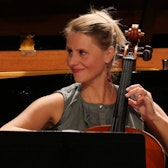
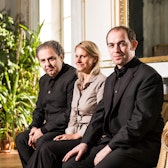
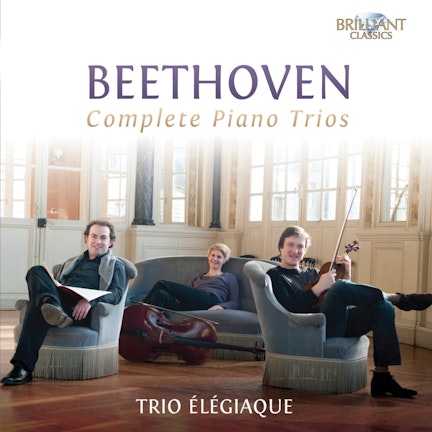
Trio Élégiaque, the ensemble on this recording, is comprised of laureates from major international competitions, including François Dumont (piano), Virginie Constant (cello), and Laurent Le Flécher (violin).
Compositional Technique
Beethoven's 'Ghost' Trio, Op.70 No.1, derives its name from the mysterious D minor Largo movement, which features atmospheric tremolandos and trills.
Composition History
Beethoven's Op.1 piano trios were his chosen works to present himself as a composer to the Viennese musical elite in 1795.
You might also enjoy...
Beethoven: Complete Piano Trios
Beethoven: The Piano Trios
Beethoven: The Piano Trios
Beethoven: Complete Works for Piano Trio
Beethoven: Piano Trios
Beethoven: Complete Philips Recordings
Beethoven: Complete Piano Trios
Beethoven: The Complete Piano Trios, Vol. 4
Beethoven: Piano Trios Op. 70, Nos. 1 and 2
Beethoven: Piano Trios 'Ghost' and 'Archduke'
Beethoven: "Archduke" Piano Trio No. 7, in B Flat major, Op. 97