R. Strauss: Don Juan, Op. 20, Death and Transfiguration, Op. 24 & Till Eulenspiegel's Merry Pranks, Op. 28
11/19/2013, 3 Tracks, 59:24
Featuring
Manfred Honeck
Pittsburgh Symphony Orchestra
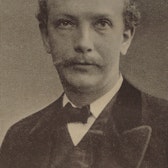
Richard Strauss
Did you know?
1/7
Composer's Artistic Vision
Richard Strauss had an impressive ability to depict a story and existential moments in instrumental music through his Tondichtungen, or 'tone poems'.
Historical Context
The Pittsburgh Symphony Orchestra was the first American orchestra to perform at the Vatican in January 2004 for Pope John Paul II, as part of his Silver Jubilee celebration.
Interpretation
Manfred Honeck, the conductor, interprets the flute interjection at the opening of Tod und Verklärung as the sober, unemotional ticking of a clock, inspired by his childhood home.
Interpretation
In Till Eulenspiegel's trial scene, Manfred Honeck has the D-clarinet play a 'distorted' note an octave higher than written to make it audible over the fortissimo orchestra, believing Strauss's original scoring was a mistake.
Performer Biography
Manfred Honeck, the Music Director, has led the Pittsburgh Symphony Orchestra since the 2008-2009 season and has won an ICMA 2012 Award for his recording of Mahler's Symphony No. 4.
Interpretation
For the end of Don Juan, conductor Manfred Honeck altered the usual sound by asking the strings to gradually transform their tone into a 'shuddering ponticello' to represent the hero's dying convulsions.
Recording & Production
This recording was made and post-produced in 64fs DSD on a Pyramix workstation, using five omnidirectional DPA 4006 microphones as the main array, supplemented by spot mics.
You might also enjoy...
Richard Strauss: Ein Heldenleben; Tod und Verklärung
Strauss, R.: Also sprach Zarathustra
Richard Strauss: Aus Italien; Don Juan
Richard Strauss: An Alpine Symphony, Op. 64
Strauss, R.: Don Juan / Till Eulenspiegel / Also Sprach Zarathustra
Richard Strauss: Don Juan & Ein Heldenleben (Live)
Strauss, R.: Don Juan / Till Eulenspiegels Lustige Streiche / Tod Und Verklarung
Strauss: Also sprach Zarathustra, Op. 30, TrV 176 & Tod und Verklärung, Op. 24, TrV 158
Richard Strauss: Don Quixote (Fruhbeck)
Live In Berlin 2012
Strauss, Richard: Eine Alpensinfonie & Don Juan
Strauss: Ein Heldenleben and Till Eulenspiegel
Richard Strauss: Ein Heldenleben; Tod und Verklärung