Till Eulenspiegel's Merry Pranks is a free adaptation of the classical A-B-A-C-A rondo form, using two main themes to represent the character of Till.
Compositional Technique
Don Quixote is a type of sinfonia concertante, featuring solo cello and viola alongside the orchestra, with the cello representing Don Quixote and the viola representing Sancho Panza.
Composition History
Strauss considered his tone poem Ein Heldenleben (Hero and World) and Don Quixote to be complementary works, illustrating different aspects of heroism.
Composer's Artistic Vision
Strauss described his use of variation form in Don Quixote as taking it "ad absurdum" and showering it with "tragicomic persiflage."
Notable Performances
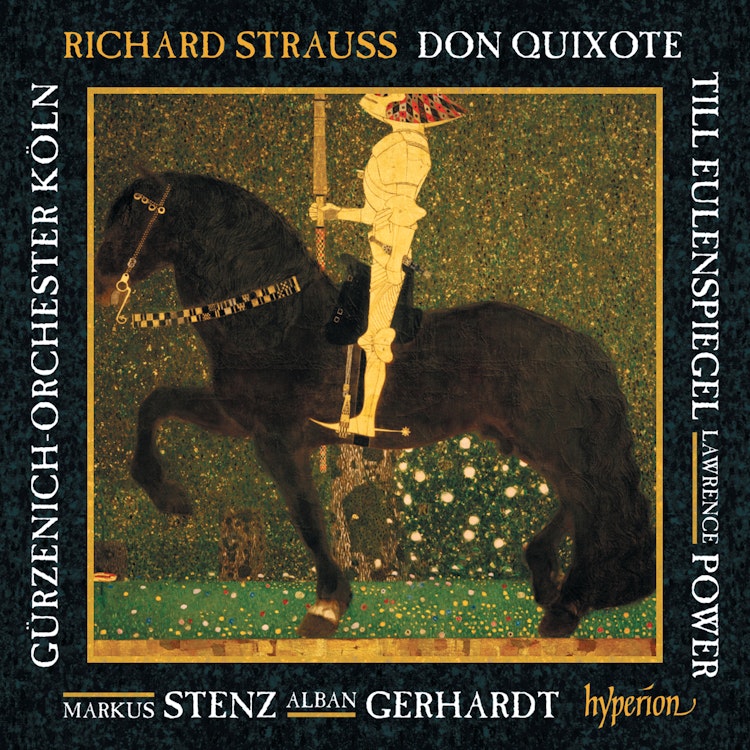
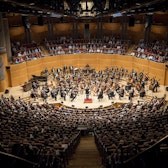
Both Richard Strauss's Don Quixote and Till Eulenspiegel received their world premieres by the Gürzenich Orchestra in Cologne, conducted by Franz Wüllner.
Instruments
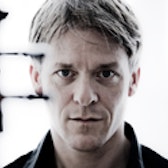
Lawrence Power, the violist on this recording, plays a rare viola made by the Bolognese maker Antonio Brensi around 1610.
Composition History
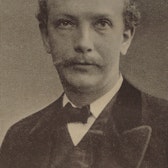
Richard Strauss first conceived the idea for Don Quixote, a "mad set of free variations on a knightly theme," while on holiday in Florence in October 1896.
You might also enjoy...
Strauss: Ein Heldenleben and Till Eulenspiegel
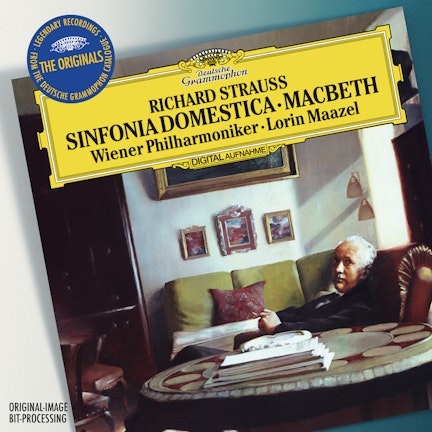
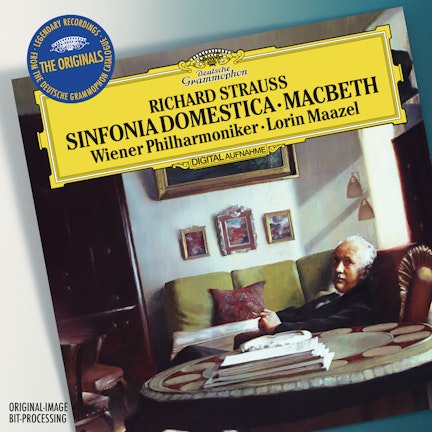
Strauss, R.: Sinfonia Domestica; Macbeth
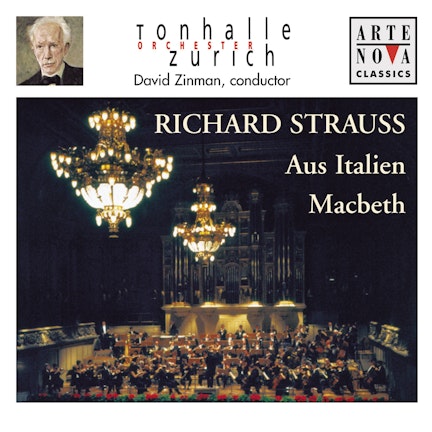
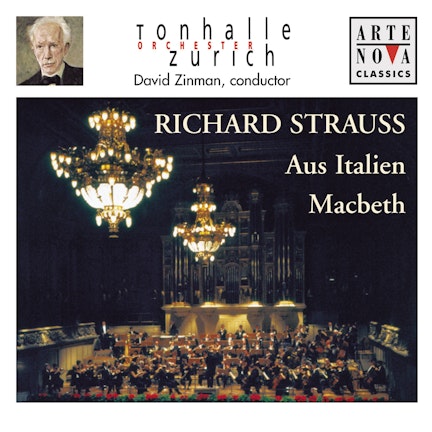
Richard Strauss: Aus Italien; Macbeth
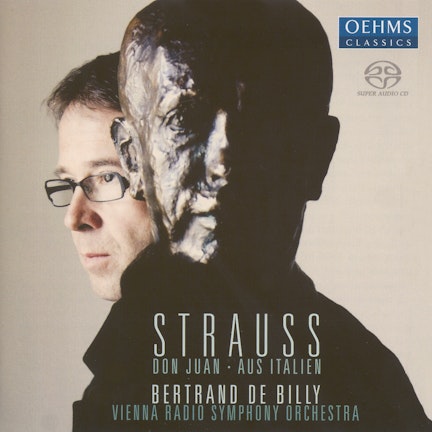
Strauss, R.: Don Juan / Aus Italien
Strauss, Richard: Eine Alpensinfonie & Don Juan
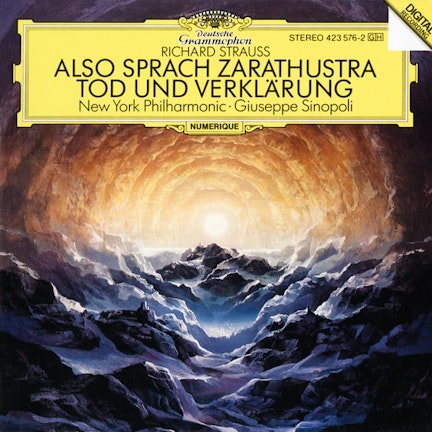
Strauss, R.: Also sprach Zarathustra, Op. 30; Tod und Verklärung, Op.24
Richard Strauss: Aus Italien; Macbeth
Respighi: Fountains of Rome - Feste Romane
Live In Berlin 2012
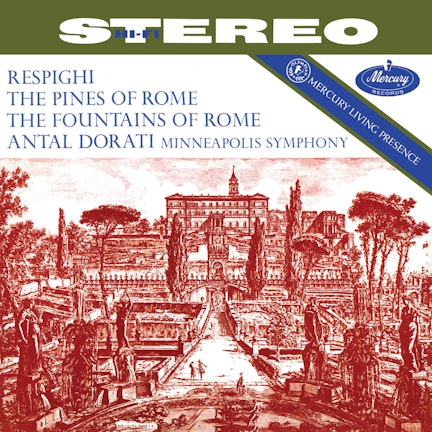
Respighi: Pines of Rome; Fountains of Rome
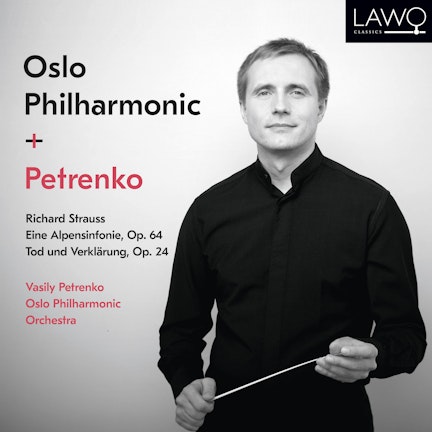
Richard Strauss: Eine Alpensinfonie, Op. 64 / Tod und Verklärung, Op. 24