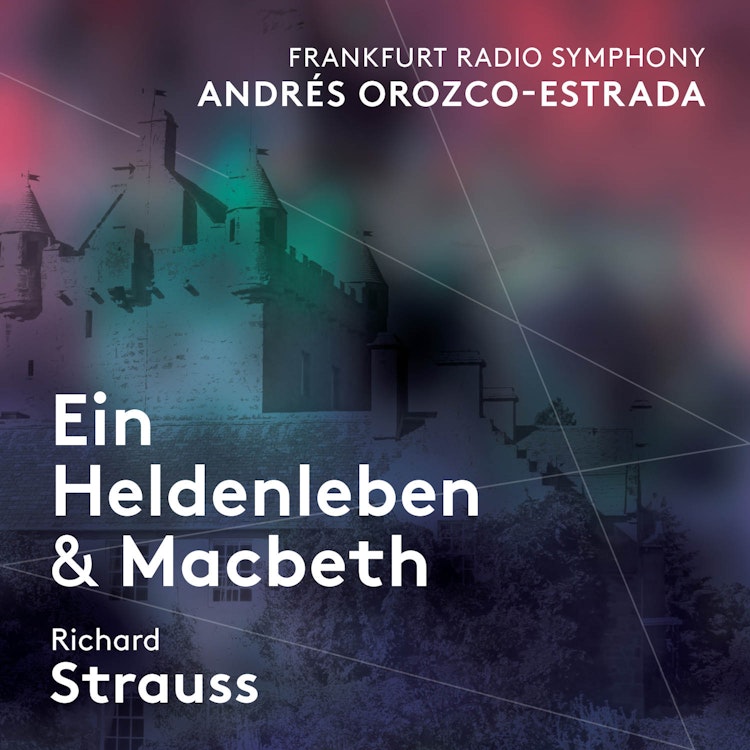
R. Strauss: Ein Heldenleben, Op. 40, TrV 190 & Macbeth, Op. 23, TrV 163
11/18/2016, 2 Tracks, 1:06:44
Featuring
Andrés Orozco-Estrada
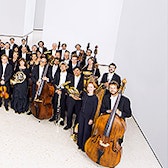
hr-Sinfonieorchester
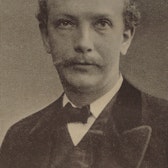
Richard Strauss
Did you know?
1/7
Critical Reception
Despite its innovative nature, Macbeth remains one of Richard Strauss's least performed orchestral works, a fact that astonished the composer himself, who dismissed harsh reviews by stating it was part of his development.
Composer Biography
Richard Strauss's compositional style took a new direction in 1886 after he became acquainted with composer and violinist Alexander Ritter, who introduced him to the writings of Schopenhauer and Wagner.
Compositional Technique
Richard Strauss's Ein Heldenleben is his longest tone poem, featuring his largest orchestra, and incorporates quotations from his earlier works like Don Juan, Macbeth, and Also sprach Zarathustra.
Performer Biography
Andrés Orozco-Estrada, the conductor, was born in Medellín, Colombia, and began his musical studies on the violin, receiving his first conducting lessons at the age of 15.
Composer's Artistic Vision
Richard Strauss believed that 'cross-pollination by means of a poetic idea' was inevitable for forward-looking instrumental music, and that composers must create a corresponding form for each new concept.
Composition History
Richard Strauss's tone poem Macbeth underwent a complex creation process, resulting in three different versions, partly due to criticism from his mentor Hans von Bülow.
Compositional Technique
In Macbeth, Richard Strauss uses the low instruments to portray the titular hero and the woodwinds to characterize Lady Macbeth, creating a 'paratactically structured form' dominated by these two central themes.
You might also enjoy...
Strauss, R.: Also sprach Zarathustra
Smetana: Ma Vlast (My Country)
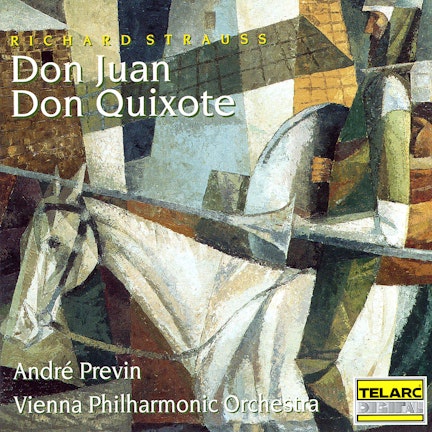
Strauss: Don Juan, Op. 20, TrV 156 & Don Quixote, Op. 35, TrV 184
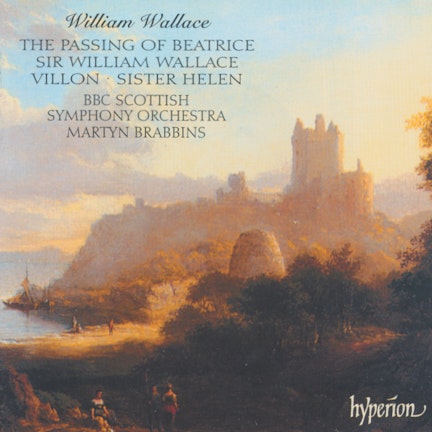
William Wallace: Symphonic Poems
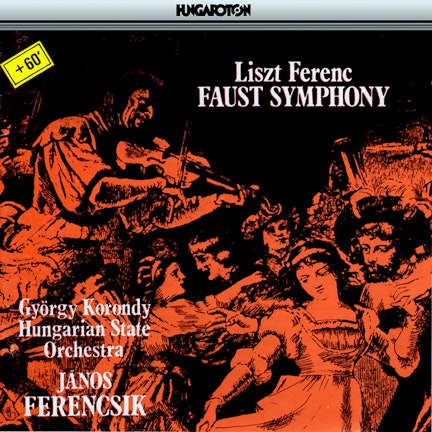
Liszt: Faust Symphony
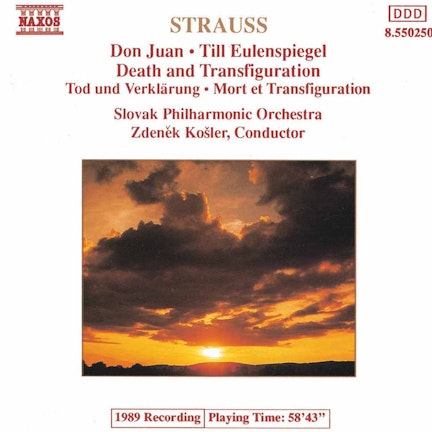
STRAUSS, R.: Don Juan / Till Eulenspiegel / Death and Transfiguration
Loeffler: Memories of My Childhood (Recorded 1936)
Karlowicz, M.: Symphonic Poems, Vol. 1 - Stanislaw I Anna Oswiecimowie / Rapsodia Litewska / Epizod Na Maskaradzie
Smetana: Má vlast, JB 1.112 (Live)
Jansons conducts An Alpine Symphony by Richard Strauss