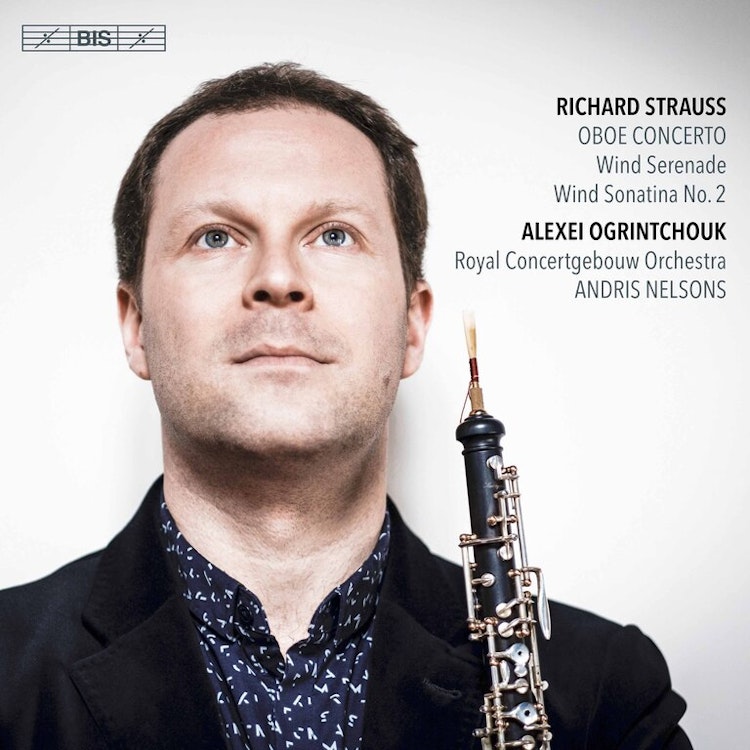
R. Strauss: Oboe Concerto, Serenade & Sonatina No. 2
7/7/2017, 9 Tracks, 1:14:13
Featuring
Andris Nelsons
Alexei Ogrintchouk
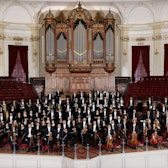
Concertgebouworkest
Richard Strauss
Did you know?
1/7
Recording & Production
The recording of the Serenade and Sonatina No.2 was supported by the Stichting Donateurs Koninklijk Concertgebouworkest, a foundation that raises funds for the Royal Concertgebouw Orchestra.
Composer Biography
Richard Strauss's most significant works, including orchestral tone poems and operas, span over half a century, from 1886 to 1941.
Composition History
The Sonatina No.2 for 16 wind instruments was dedicated 'to the spirit of the immortal Mozart at the end of a life full of thankfulness'.
Performer Biography
Alexei Ogrintchouk, the oboist on this recording, has been the principal oboist of the Royal Concertgebouw Orchestra since 2005 and previously held the same post at the Rotterdam Philharmonic Orchestra at age 20.
Compositional Technique
The Oboe Concerto, Sonatina No.2, and Metamorphosen all affirm an ideal of classical stability, aiming to regenerate the human spirit during trauma.
Historical Context
Strauss, a conformist German citizen, lived through Germany's transformation from disparate states in the 1860s to a defeated superpower in 1945.
Composition History
Strauss's Oboe Concerto was inspired by an American soldier and oboist, John de Lancie, who visited him in May 1945.
You might also enjoy...
Herbert: Serenade - Works for Cello & Strings
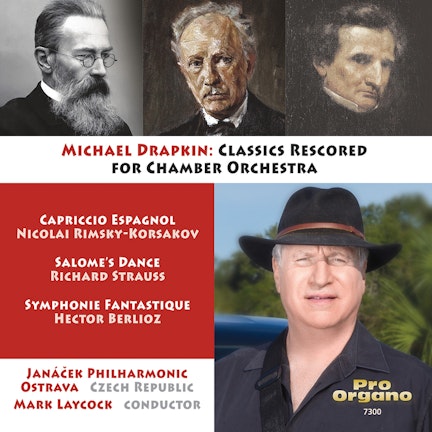
Michael Drapkin: Classics Rescored for Chamber Orchestra
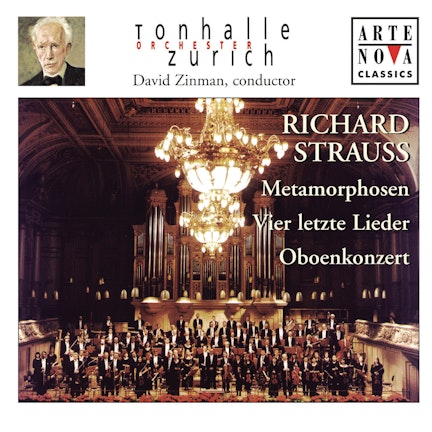
Richard Strauss: Vier letzte Lieder; Metamorphosen; Oboenkonzert
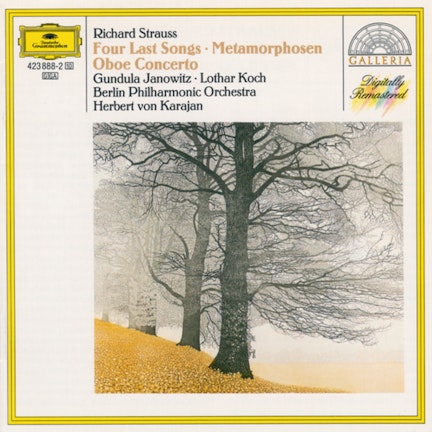
Strauss, R.: Four Last Songs; Metamorphoses; Oboe Concerto
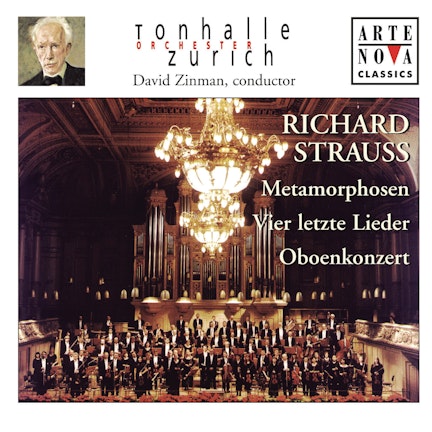
Richard Strauss: Vier letzte Lieder; Metamorphosen; Oboenkonzert