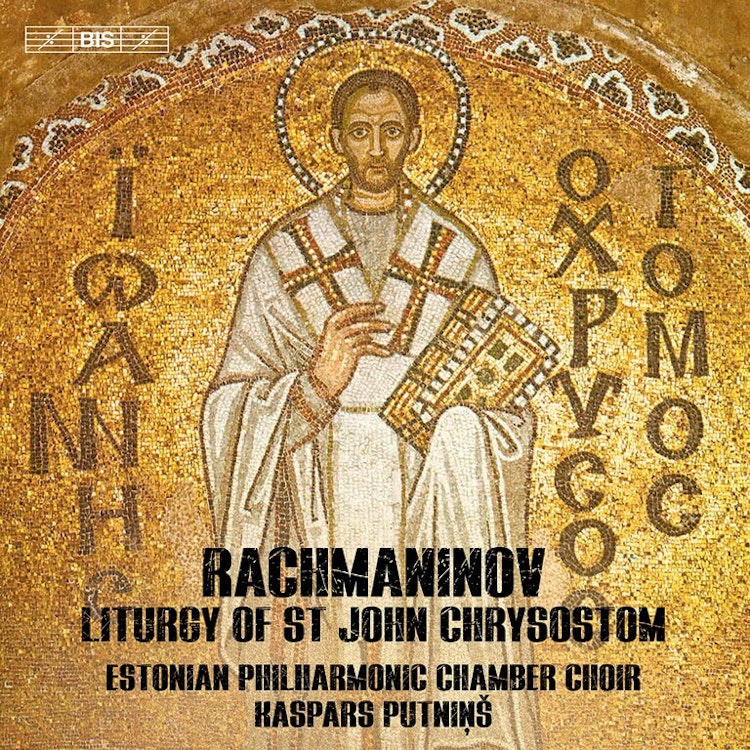
Rachmaninoff: Liturgy of St. John Chrysostom, Op. 31 (Excerpts)
2/4/2022, 18 Tracks, 59:06
Featuring
Maria Valdmaa
Raul Mikson
Olari Viikholm
Kaspars Putniņš
Estonian Philharmonic Chamber Choir
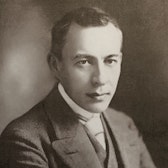
Sergei Rachmaninoff
Did you know?
1/7
Composition History
Rachmaninov composed his Liturgy of St John Chrysostom with great pleasure, stating he hadn't written anything with such enjoyment for a long time.
Critical Reception
Despite public enthusiasm, church authorities rejected Rachmaninov's Liturgy of St John Chrysostom for liturgical use due to its 'spirit of modernism'.
Compositional Technique
Rachmaninov's Liturgy of St John Chrysostom features a flexible sense of rhythm, phrasing, and tempo, along with a wide dynamic range, all meticulously notated.
Historical Context
Orthodox church music traditionally prohibited instruments and polyphonic singing, and only officially allowed women in choirs from 1886.
Performer Biography
The Estonian Philharmonic Chamber Choir, founded in 1981, was named one of the ten best choirs in the world by the BBC Music Magazine in 2020.
Composer Biography
Rachmaninov's Liturgy of St John Chrysostom was composed in the summer of 1910 at Ivanovka, his family estate 300 miles south-east of Moscow.
Composition History
Tchaikovsky was the first major composer to address the issue of German/Italian harmonizations in Orthodox chants, creating his own Liturgy setting in 1878.
You might also enjoy...
R. Strauss: 4 Lieder, Op. 27: No. 4, Morgen! (Transcr. Gottwald for Choir)
Brahms: 5 Gesänge, Op. 104
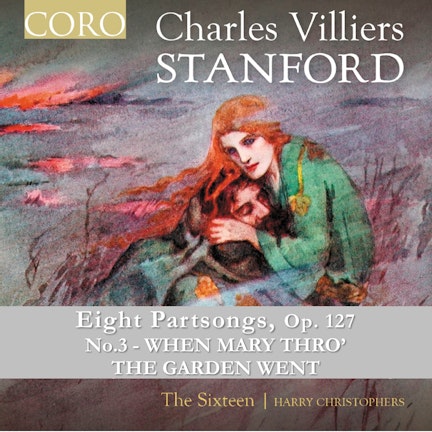
Eight Partsongs, Op. 127: No. 3, When Mary Thro' the Garden Went
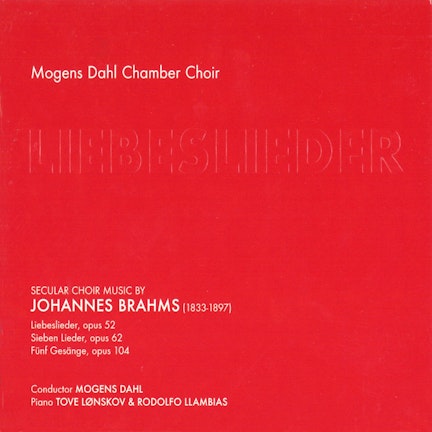
Brahms: Liebeslieder, Op. 52, 62 & 104
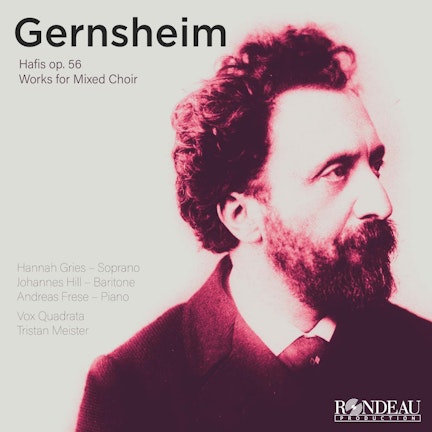
Friedrich Gernsheim: Hafis, Op. 56; Werke für gemischten Chor
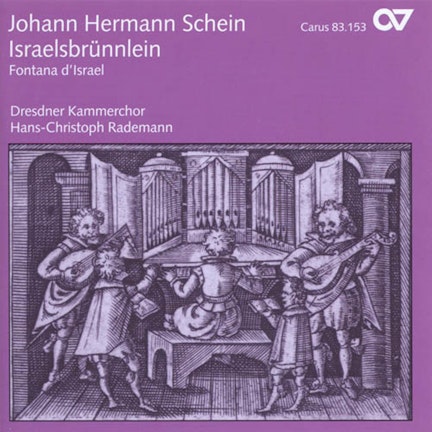
Schein, J.H.: Choral Music (Israelsbrunnlein)
Gustav Mahler: Ich bin der Welt abhanden gekommen - Die zwei blauen Augen
Schein: Israelsbrünnlein
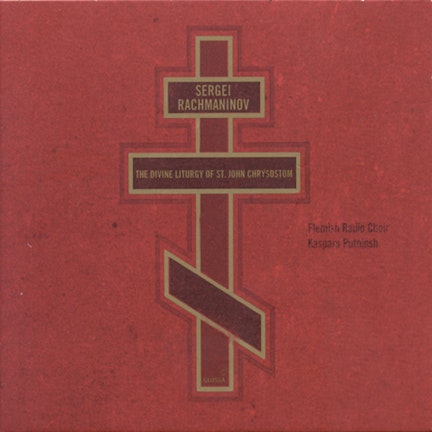
Rachmaninoff: The Divine Liturgy of St John Chrysostom