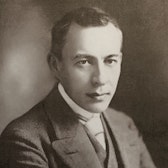
Rachmaninov left Russia in 1917 after the abdication of the Tsar and the start of the revolution, relying on concert tours for his living until his death in 1943.
Composition History
Rachmaninov's early career as a composer was halted by the failure of his first symphony, which was badly conducted by Glazunov and cruelly reviewed by Char Cui.
Composer Biography
Rachmaninov entered the St. Petersburg Conservatory as a scholarship student at the age of nine, a path made possible by his family's reduced financial circumstances.
Composer Biography
Rachmaninov acquired much of his phenomenal piano technique studying with Zverev, a teacher known for his strictness, after failing conservatory examinations.
Composer Biography
Sergey Rachmaninov's family, though well-to-do with strong military traditions, had to sell much of their land due to his father's extravagance.
Composition History
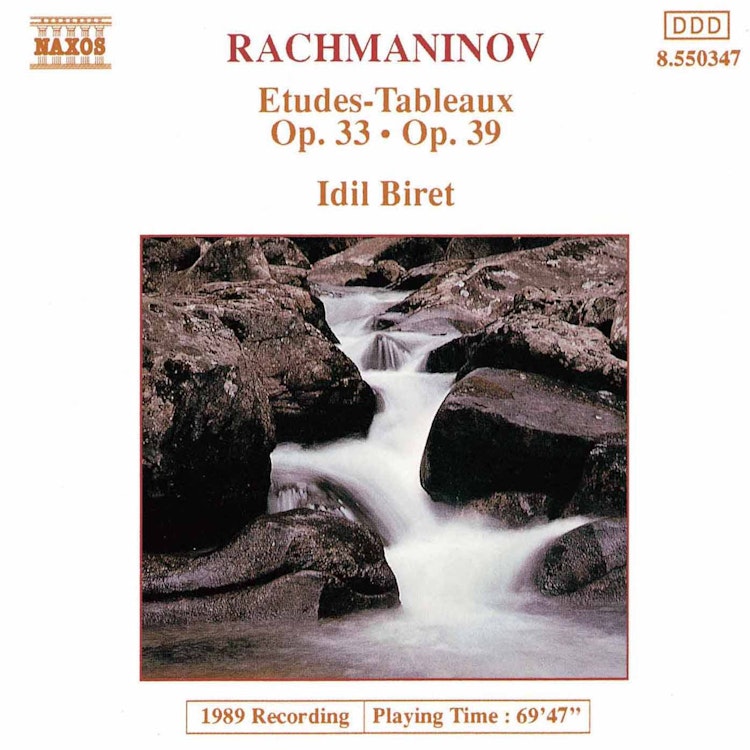
The first group of Etudes-tableaux, Opus 33, originally had nine pieces, but the fourth was withdrawn and revised to become the sixth piece of the later Opus 39 set.
Composer Biography
After the poor reception of his first symphony, Rachmaninov was only able to continue composing after a course of treatment with Dr. Nikolay Dahl, who used hypnotism.
You might also enjoy...
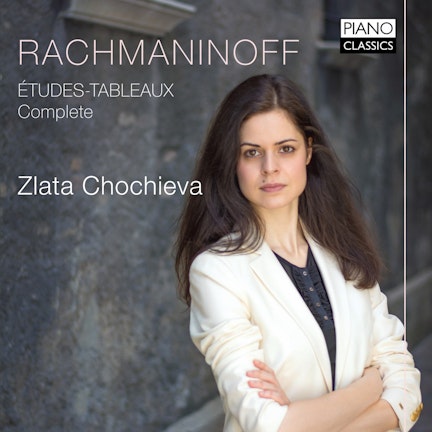
Rachmaninov: Etudes-tableaux
Rachmaninov: Nikolai Lugansky Plays / Études-Tableaux, Op. 33 & 39