Liszt's B minor Piano Sonata, a single-movement work over 30 minutes long, combines two structural forms: a single sonata movement and a full four-movement sonata structure.
Compositional Technique
Grieg's Piano Sonata begins with a three-note descending motif that acts as a musical signature, corresponding to his initials: Edvard Hagerup Grieg.
Compositional Technique
The entire melodic material of Liszt's B minor Piano Sonata is based on just five motifs, with the first three appearing at the very beginning of the work.
Composition History
Rachmaninov revised his Second Piano Sonata in 1931, cutting more than a fifth of its material and reworking much of the piano writing to achieve a leaner, more transparent texture.
Composer's Artistic Vision
Rachmaninov's decision to make cuts and shortenings in his works, such as the Second Symphony and Third Concerto, might have stemmed from a lack of self-confidence and concern about audience reception.
Composer Biography
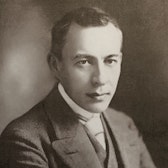
Sergei Rachmaninov's musical language frequently features bell-like sonorities, appearing in works from his first Piano Concerto to his last work, the Symphonic Dances.
Performer Biography
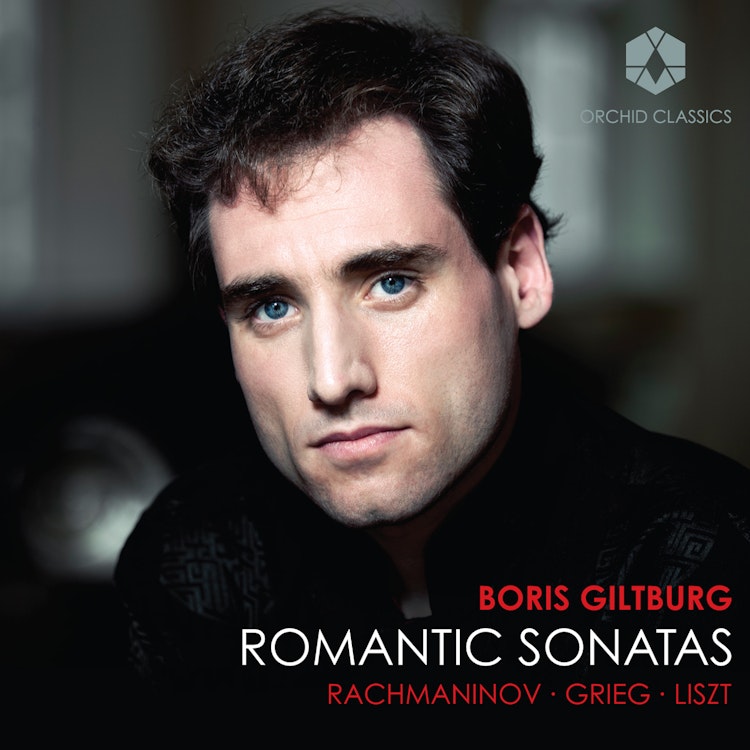
Boris Giltburg, born in Moscow in 1984, won First Prize in the prestigious Queen Elisabeth Piano Competition in Brussels in 2013.
You might also enjoy...
Scriabin: Selected Works for Piano
Vida breve: Bach, Busoni, Chopin, Liszt, Hough, Gounod
Couleurs sonores
Transcendence
Draeseke & Liszt: Piano Sonatas
Eventyr
Carnegie Hall Debut Concert - Highlights
Sergio Fiorentino: The Legacy, Vol. 1
La Valse
Prokofiev: Piano Sonatas Nos.7 & 8; 2 Pieces from Romeo & Juliet / Liszt: Mephisto Waltz
Liszt Transcriptions (completed by Busoni)
Messiaen: Fauvette Des Jardins (La) / Offrandes Oubliees (Les)