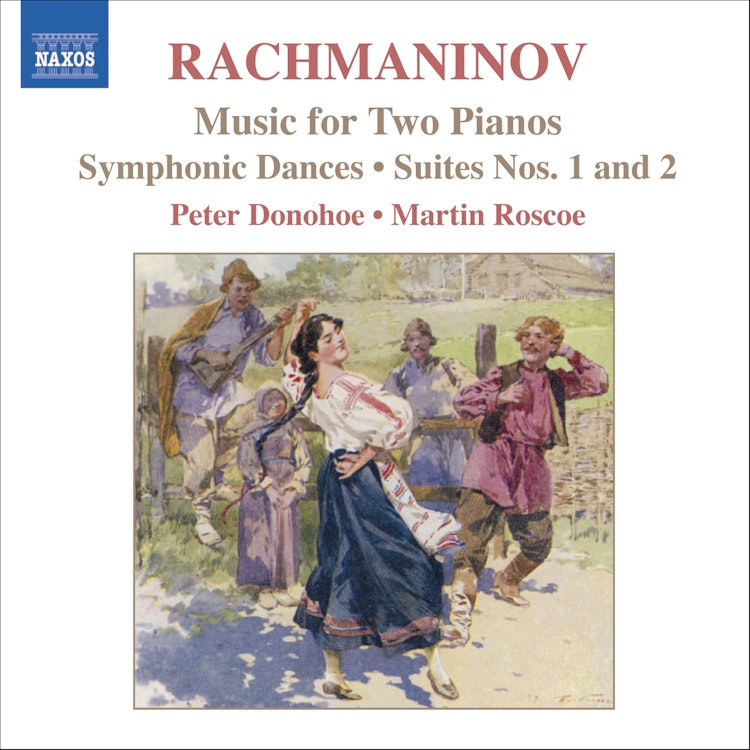
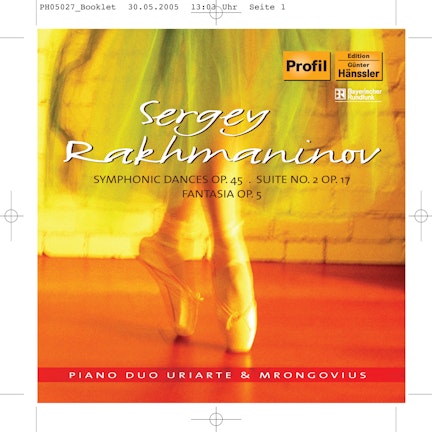
The Symphonic Dances, Rachmaninov's last composition, were written in 1940 and were initially conceived for a new ballet by his friend Fokin, who died in 1942.
Composer Biography
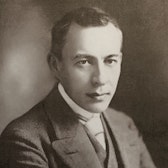
Sergey Rachmaninov, born to aristocratic parents, experienced a change in family fortunes due to his father's improvidence, leading to a move to St. Petersburg.
Compositional Technique
The 'Dies irae' from the Requiem Mass, a recurrent motif in Rachmaninov's music, is distinctly referenced in the Waltz movement of his Suite for two pianos, Op. 17.
Compositional Technique
Rachmaninov's Suite No. 1, Op. 5, uses illustrative quotations for each movement, drawing inspiration from poets like Lermontov, Byron, and Tyutchev.
Composer Biography
Rachmaninov was a pupil of Nikolay Zverev, who instilled discipline and provided the basis for his formidable piano technique.
Composition History
Rachmaninov's Suite No. 1, Op. 5, also known as Fantaisie-tableaux for two pianos, was dedicated to Tchaikovsky, whose death in the same year Rachmaninov commemorated in another work.
Composer Biography
After the 1917 Revolution, Rachmaninov chose exile abroad and relied on his exceptional piano skills to support his family, with composition taking a secondary role.
You might also enjoy...
Martha Argerich Plays Rachmaninov
Rachmaninov: Two-Piano Suites / Six Morceaux, Op. 11
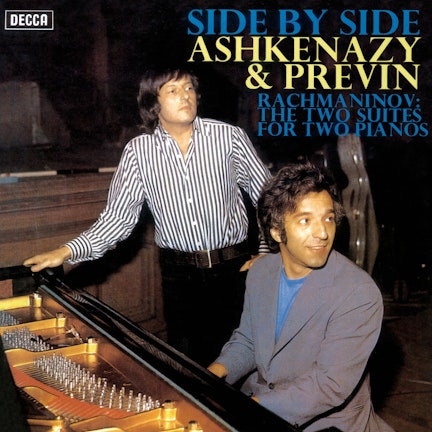
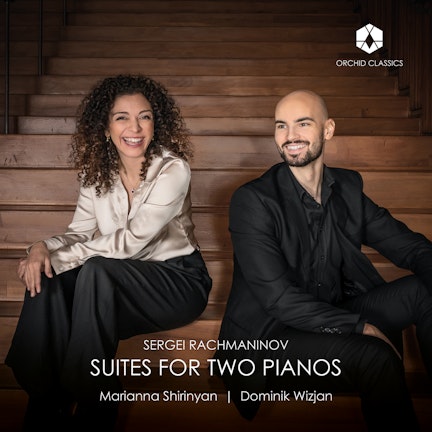
Rachmaninov: Suites for Two Pianos Nos. 1 & 2
Rachmaninoff: Suites for 2 Pianos
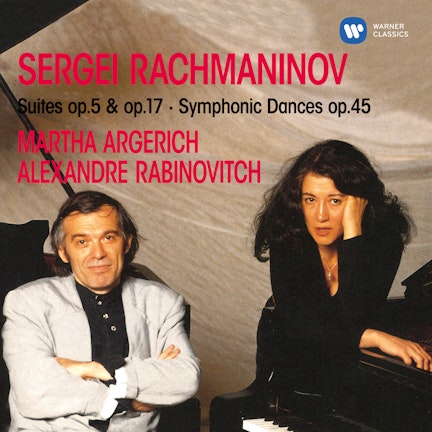
Martha Argerich Plays Rachmaninov
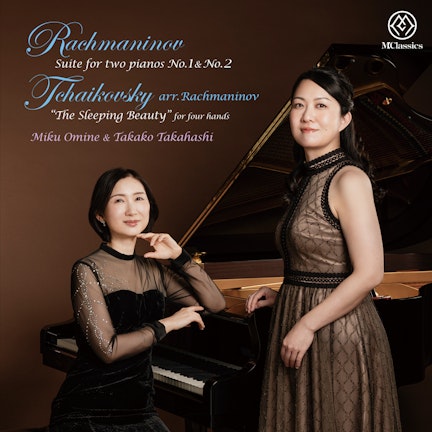
Rachmaninov: Suite for two pianos No. 1&No. 2, Tchaikovsky: "The Sleeping Beauty" for four hands(arr. Rachmaninov)
Rachmaninov: Works for Two Pianos
Rachmaninoff: Suites Nos. 1 & 2 and Symphonic Dances for 2 Pianos