Rachmaninov's Piano Concerto No. 2 was composed after he underwent therapy with Dr. Nikolai Dahl, a psychiatrist specializing in hypnosis and an amateur musician, who helped restore his self-confidence.
Cultural Impact
The popularity of Rachmaninov's Piano Concerto No. 2 was boosted when it was used as the soundtrack for David Lean's famous 1946 film, Brief Encounter.
Instruments
The viola part in Rachmaninov's Piano Concerto No. 2 is unusually prominent, a detail that may be connected to the fact that Dr. Dahl, to whom the concerto is dedicated, played the viola.
Composer Biography
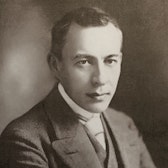
After the disastrous premiere of his First Symphony, Rachmaninov fell into a deep spiritual crisis and composed virtually nothing for three years, describing himself as 'a man who had suffered a severe blow, the brain and hands paralyzed.'
Critical Reception
In the mid-20th century, Rachmaninov was often dismissed by those who considered themselves progressive, as his melodic, Romantic style was seen as 'schmaltz' and out of step with dodecaphonic trends.
Critical Reception
Rachmaninov's Symphony No. 1 in D minor was harshly criticized at its 1897 premiere, with composer César Cui calling it 'a musical setting of the seven plagues of Egypt.'
Compositional Technique
Rachmaninov's Piano Concerto No. 3 is exceptionally difficult to play, requiring immense physical stamina and digital brilliance, so much so that its dedicatee, Josef Hofmann, never performed it.
You might also enjoy...
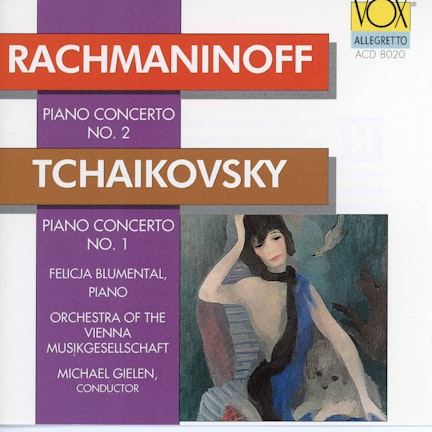
Rachmaninoff & Tchaikovsky: Piano Concertos
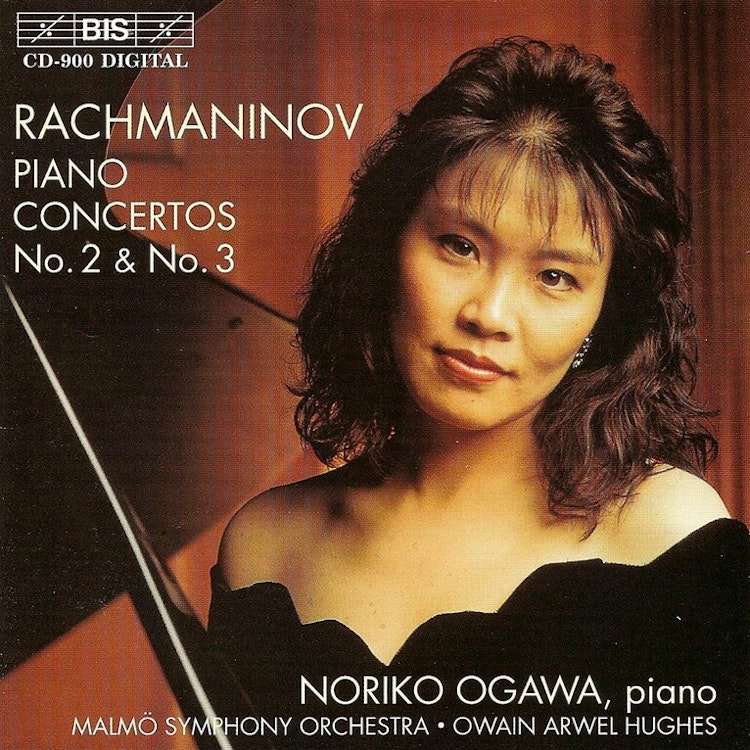
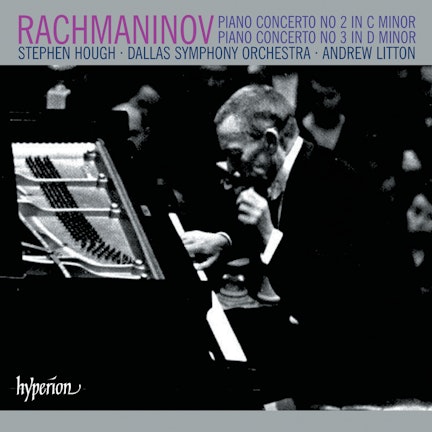
Rachmaninov: Piano Concertos Nos. 2 & 3
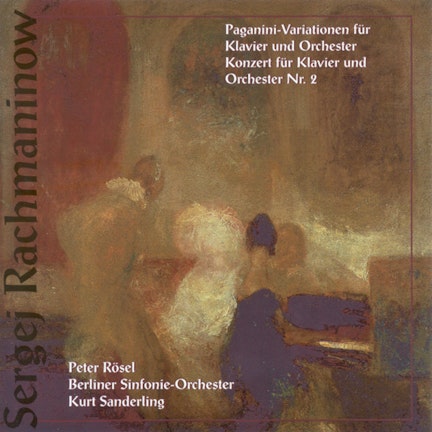
Sergei Rachmaninoff: Rhapsody on a Theme of Paganini / Piano Concerto No. 2 (Rosel, Berlin Symphony, K. Sanderling)
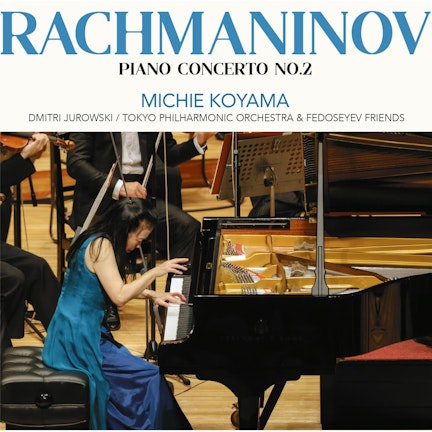
Rachmaninov: Piano Concerto No. 2
Rachmaninoff: Concerto No. 2 in C minor for Piano and Orchestra, Op. 18, and Rhapsody on a Theme of Paganini, Op. 43
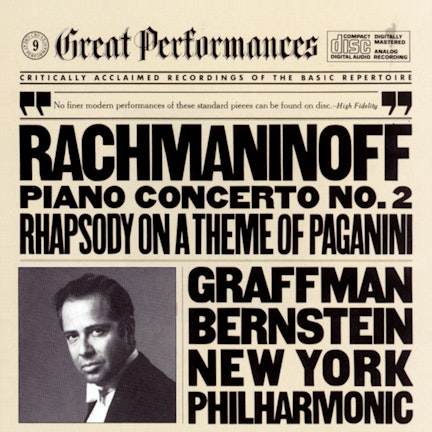
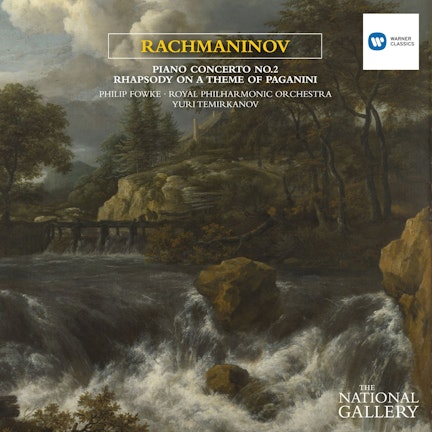
Rachmaninov: Piano Concerto No. 2 & Rhapsody on a Theme of Paganini
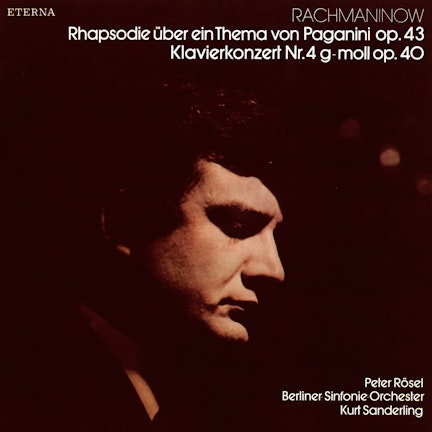
Rachmaninow: Rhapsodie über ein Thema von Paganini / Klavierkonzert No. 4
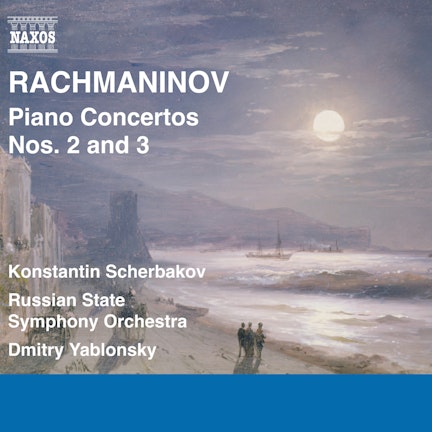
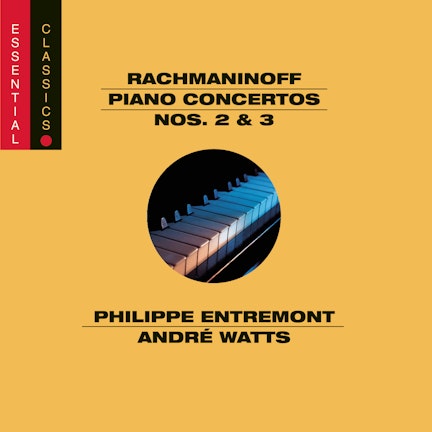
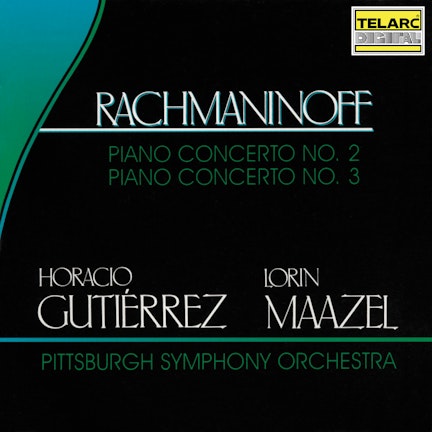
Rachmaninoff: Piano Concertos Nos. 2 & 3
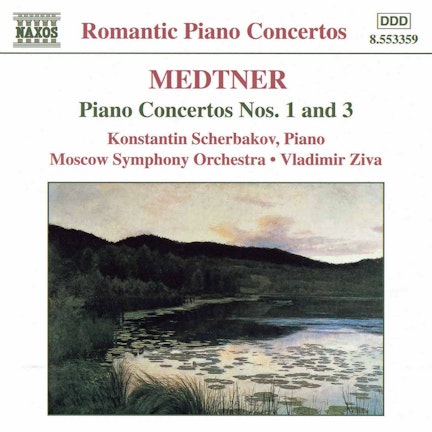
Medtner: Piano Concertos Nos. 1 and 3
Rachmaninoff: Piano Concertos Nos. 2 & 3
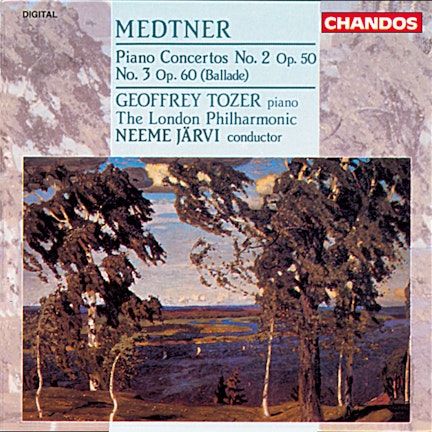
Medtner: Piano Concerto No. 2 & Piano Concerto No. 3 "Ballade"