Chimes and bronze bells are omnipresent in Rachmaninoff's Preludes, reflecting his childhood memories of the bells of St. Sophia in Nowgorod Cathedral and their integration into the Russian landscape.
Composer's Artistic Vision
Rachmaninoff's sources of inspiration were highly personal, incorporating elements like nature, traditional music, ancient Orthodox choirs, and bells, which are largely absent from Chopin's work.
Composition History
Rachmaninoff's 24 Preludes were assembled in three stages, beginning with the famous Prelude in C-sharp minor, followed by Opus 23 a decade later, and Opus 32 seven years after that.
Composer's Artistic Vision
Rachmaninoff often sought refuge in the Russian countryside, finding peace and quiet to compose in communion with nature, which was an undeniable source of inspiration for his Preludes.
Composer Biography
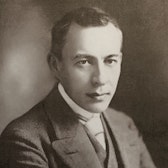
Arthur Rubinstein, a renowned pianist, described Rachmaninoff as having 'hands of bronze and a heart of gold,' a duality reflected in his music's intimacy and expansiveness.
Composer's Artistic Vision
Rachmaninoff's Preludes are deeply anchored in Russian soil and imbued with the Slavic soul, to which the composer remained forever attached, even after his exile.
Compositional Technique
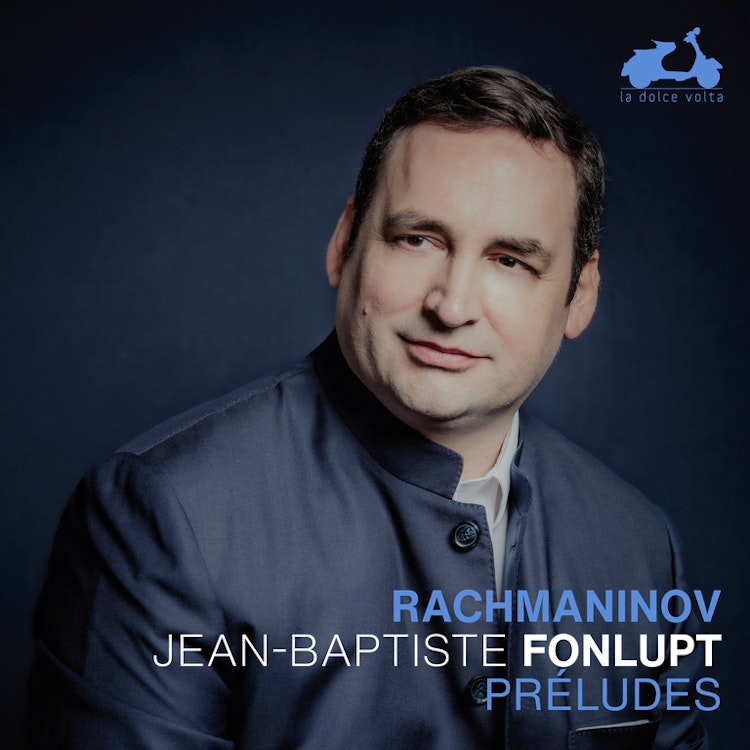
Rachmaninoff's Preludes are like sonic paintings, each with its own color, mood, and unique impression, leading the performer Jean-Baptiste Fonlupt to consider him an impressionist.
You might also enjoy...
Rachmaninoff: Preludes, Complete
Rachmaninoff: Préludes, Opp. 23 & 32
Rachmaninoff: 24 Preludes
The Moscow Conservatory - Tribute to Rachmaninov. 24 Preludes for Piano