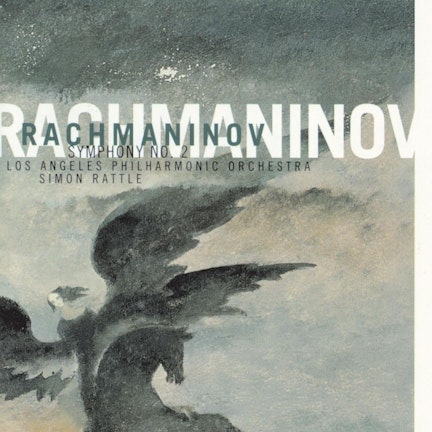
The symphony is monothematic, with all themes growing from a laconic leitmotif introduced by the double basses, rooted in the austere recitation of the Znamenny chant and archaic Russian musical tradition.
Composer's Artistic Vision
For many researchers, this symphony is an appeal to Russia itself, expressing Rachmaninov's deep kinship with his homeland and its experiences, similar to writers like Blok, Chekhov, and Bunin.
Composition History
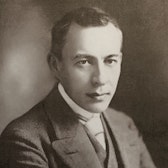
Rachmaninov struggled with self-doubt for several years while attempting to compose his Second Symphony, despite his international fame as a pianist and conductor.
Composition History
To focus on composition, Rachmaninov left the Bolshoi Theatre and moved with his family to Dresden in October 1906, where he drafted the Second Symphony.
Critical Reception
The Russian musical community enthusiastically received the symphony at its 1908 premiere, with critics comparing its significance to Tchaikovsky's Pathétique Symphony.
Composition History
The final score of Rachmaninov's Second Symphony was completed by the end of 1907 and dedicated to Sergei Taneyev, his teacher, a theorist, composer, and counterpoint expert.
Cultural Impact
Western musicologists believe the lush orchestration of the third movement's enchanting theme particularly influenced musical settings of love scenes in Hollywood films.
You might also enjoy...
Tchaikovsky: Symphony No.4
Tchaikovsky: Symphony No. 4 in F Minor, Op. 36, TH. 27
Tchaikovsky: Symphony No. 3
Peter Tchaikovsky: Symphony No. 5 in E minor, Op. 64
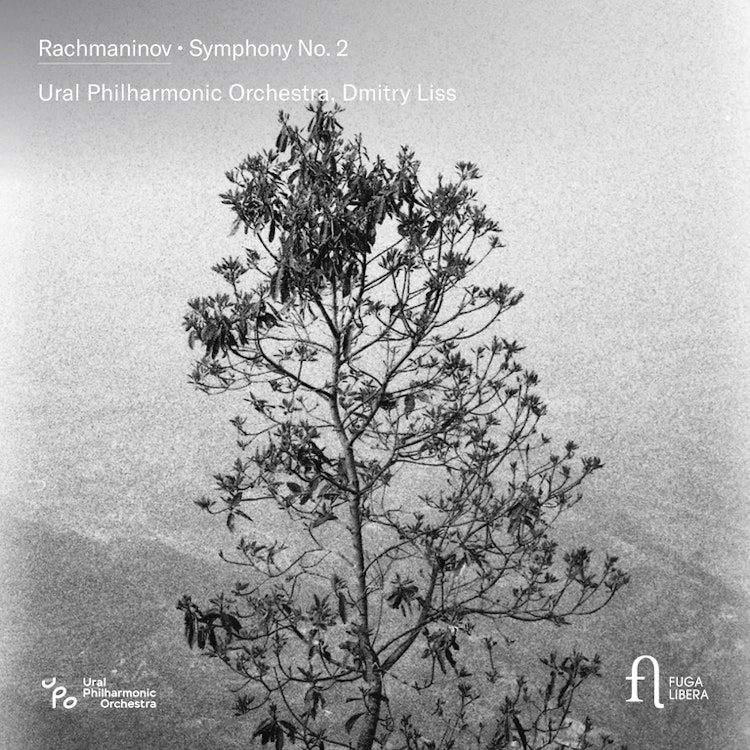
Rachmaninov: Symphony No. 2
Infinity Digital: Rachmaninoff: Symphony No.2 in E minor