Jean-Philippe Rameau composed "Les Sauvages" for harpsichord after a pair of Iroquois were brought to Paris in the 1720s, later reviving it for his opera Les Indes galantes.
Critical Reception
At the 1733 premiere of his first great opera, Hippolyte et Aricie, Jean-Philippe Rameau was criticized by André Campra, the then dean of French opera composers, for having "enough music in it for a dozen operas."
Composer's Artistic Vision
Jean-Philippe Rameau, the composer, believed that the true goal of music was the expression of thought, sentiment, and passions.
Performer Biography
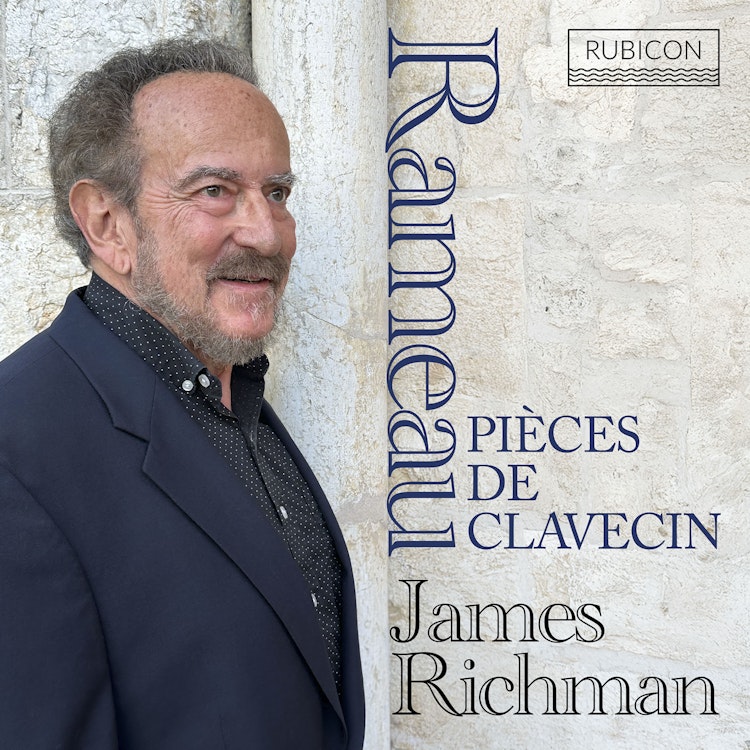
James Richman, the performer, was made a Chevalier in the Ordre des Arts et des Lettres of the French Republic for his contributions to music.
Instruments
The harpsichord used in this recording is a French double-manual instrument built by John Koster in 1980, modeled after a 1769 instrument by Pascal Taskin.
Compositional Technique
Jean-Philippe Rameau's harpsichord music is notable for its theatricality, a quality not common at the time, and he frequently reused these pieces in his operas.
Compositional Technique
The piece "Les Trois Mains" by Jean-Philippe Rameau, with its 'third hand' crossing over, is reminiscent of Domenico Scarlatti and may be a fandango.