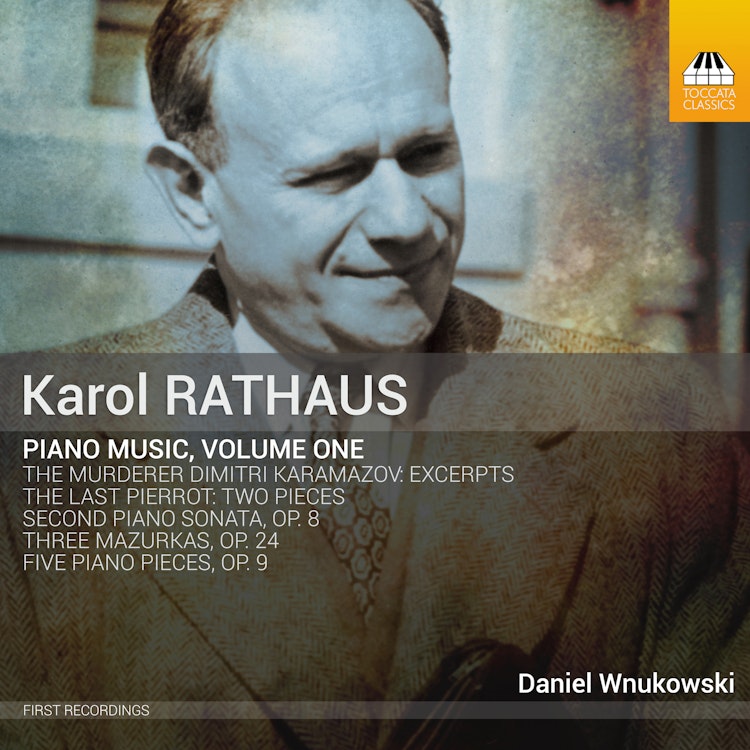
Karol Rathaus deliberately steered a path between the serialism of the 'Second School' in Vienna and the 'New Objectivity' of Berlin, aiming for expressive and challenging music without resorting to twelve-tone composition.
Recording & Production
The Second Piano Sonata, Op. 8, by Karol Rathaus, was believed lost until 2018 when it was discovered misfiled with the Second Symphony in the Queens College Rathaus Papers.
Composer Biography
Karol Rathaus lost many original manuscripts, including early string quartets, when a storage unit in London took a direct hit during the Blitz.
Compositional Technique
Karol Rathaus often incorporated Polish dances like the mazurka into his music, blending Viennese tradition, quartal and quintal harmonies, Yiddish folksong elements, and hints of ragtime.
Composer Biography
Karol Rathaus, the composer, considered himself a patriotic Austrian, maintaining his citizenship until Austria ceased to exist after its annexation by Nazi Germany in 1938.
Composition History
Karol Rathaus was among the first serious composers approached to write a film soundtrack for the new 'sound cinema' in 1930, with the director Fjodor Ozep shooting his film to fit Rathaus's music.
Performer Biography
Daniel Wnukowski, the pianist on this album, is known for shedding light on overlooked repertoire, particularly works by exiled and perished Jewish composers, connecting with his Polish and Jewish cultural heritage.
You might also enjoy...
Rhapsody: Lyric Music of Ronald Stevenson
W. Peterson-Berger: Frösöblomster / Flowers from Frösö, Books I-III