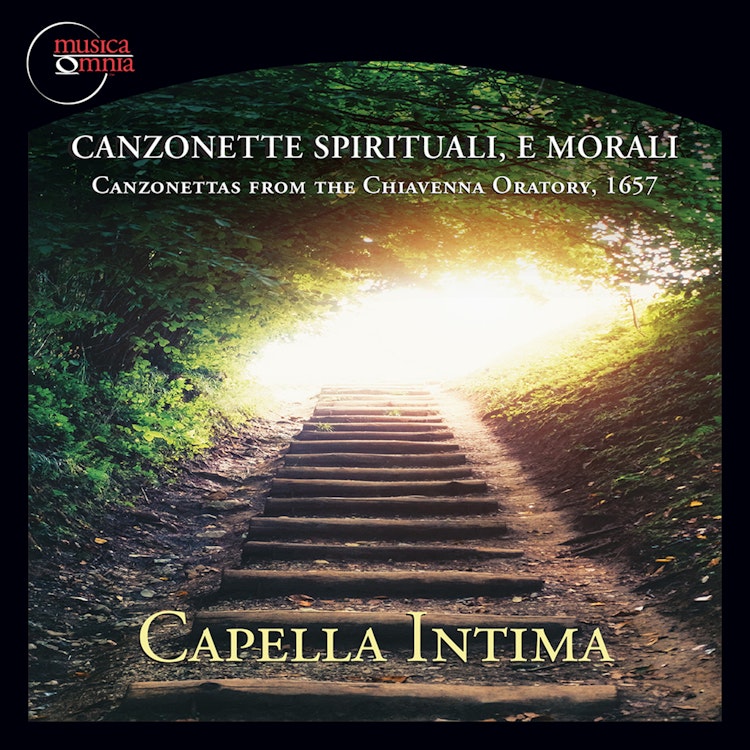
These canzonettas were composed for spiritual exercises practiced by the Congregation of the Oratory, founded by St. Philip Neri, who emphasized a personal, honest simplicity in one's relationship with God.
Album & Artwork
The album's concept is to present sacred canzonettas from the Oratory of San Filippo Neri in Chiavenna, which borrow freely from popular dances and melodies and apply sacred texts aligned with the founder's teachings.
Compositional Technique
The collection incorporates the baroque guitar, with alfabeto notation being the only indicated accompaniment for many of the 109 separate works, defying the common church regulations against instruments other than the organ.
Composition History
The Canzonette Spirituali, e Morali were published in Milan in 1657 and are attributed to Francesco Ratis, a priest from Como who was organist at the Church of San Lorenzo in Chiavenna.
Interpretation
The performers have taken liberties with rhythm or text for dramatic or humorous purposes, believing these departures would have been welcomed at the Chiavenna Oratory, given St. Philip Neri's teachings on humor and lightness of heart.
Composer's Artistic Vision
The Canzonette Spirituali, e Morali defy many conventions of 17th-century sacred music in terms of text, instrumentation, and style, refusing to fit neatly into a single genre.
Composer's Artistic Vision
The texts of these canzonettas often apply familiar images of Italian love poetry to music in praise of God, reflecting the philosophy of St. Philip Neri, who concerned himself with personal rather than traditional dogma.
You might also enjoy...
Hans Leo Hassler: Lustgarten neuer teutscher Gesang, Balletti, Gaillarden und Intraden (Capella Lipsiensis, Knothe)
Por los montes de coñares, Music and Erotism in the Spanish Golden Age
Le nozze in Baviera
Banchieri: Il Zabaione Musicale
Guillaume de Machaut: Remede de Fortune (Live)
Campion: Lute Songs
Dufay: Chansons
To All Things a Season: Chansons, Madrigals and Lieder by Lassus
Amore la sol mi fa remirare: The Music of Leonardo's Age
John Dowland: First Booke of Songes or Ayres
F. A. Baseo: Il primo libro dei Madrigali a cinque voci (Venezia, 1582)
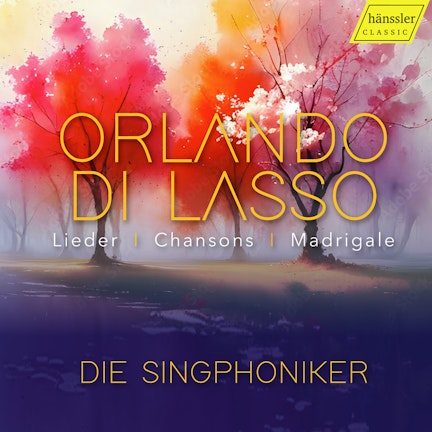
Orlando di Lasso: Chansons, Madrigale, Lieder
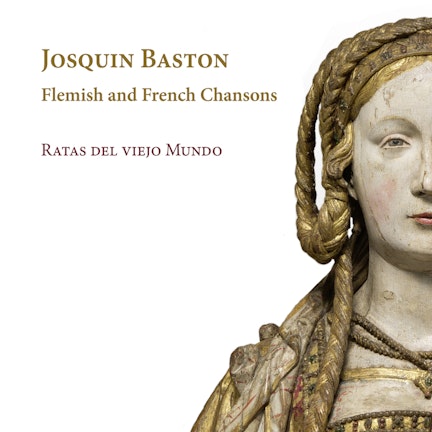
Baston: Flemish and French Chansons
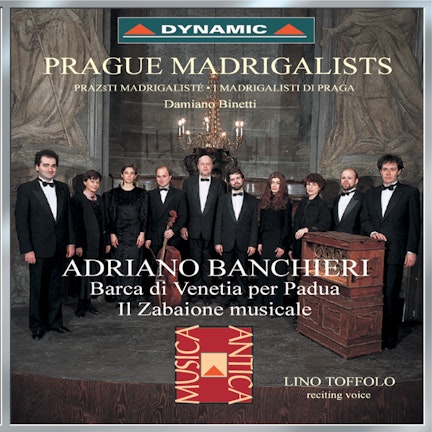
Banchieri: Barca Di Venetia Per Padua / Il Zabaione Musicale