Ravel's 'Don Quichotte à Dulcinée' songs are built on Spanish folk rhythms, such as guajira, Basque zortzico, and Aragonese jota, reflecting his mother's heritage.
Historical Context
Ravel's 'Deux mélodies hébraïques' were commissioned by singer Alvina Alvi in 1914, and he had previously composed another Hebrew melody in 1910.
Critical Reception
Most of Ravel's melodies were initially received with coldness, incomprehension, or even hostility and uproar, partly due to his unconventional choice of texts.
Composer Biography
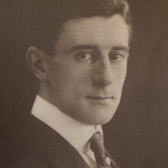
Maurice Ravel, the composer, was born in Ciboure on March 7, 1875, and died in Paris on December 28, 1937.
Composer's Artistic Vision
Ravel stated that his 'Chansons madécasses' were not Schoenbergian, but he might not have been able to write them without Schoenberg's influence, particularly in their strict counterpoint.
Composition History
The 'Don Quichotte à Dulcinée' cycle was originally commissioned for G.W. Pabst's 1933 film 'Don Quixote' and was intended to be sung by Feodor Chaliapin.
Composer's Artistic Vision
Ravel's primary concern in his vocal works was to strictly respect the prosody of the texts he set to music, moving away from bel canto and Wagnerian styles.
You might also enjoy...
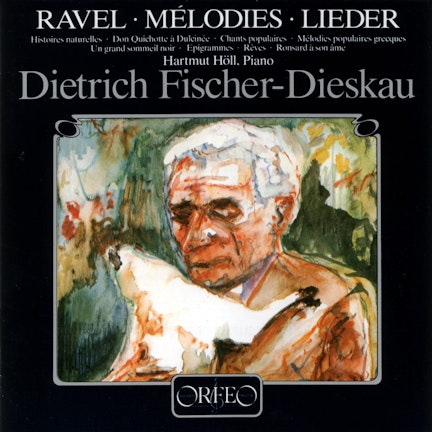
Ravel: Mélodies
Debussy: Harmonie du soir, mélodies & songs
Ravel: Noël des jouets, M. 47
Debussy: Complete Songs, Vol. 2
Debussy: Complete Songs, Vol. 1
Debussy: Ariettes oubliées, L. 60: V. Aquarelles, I. Green