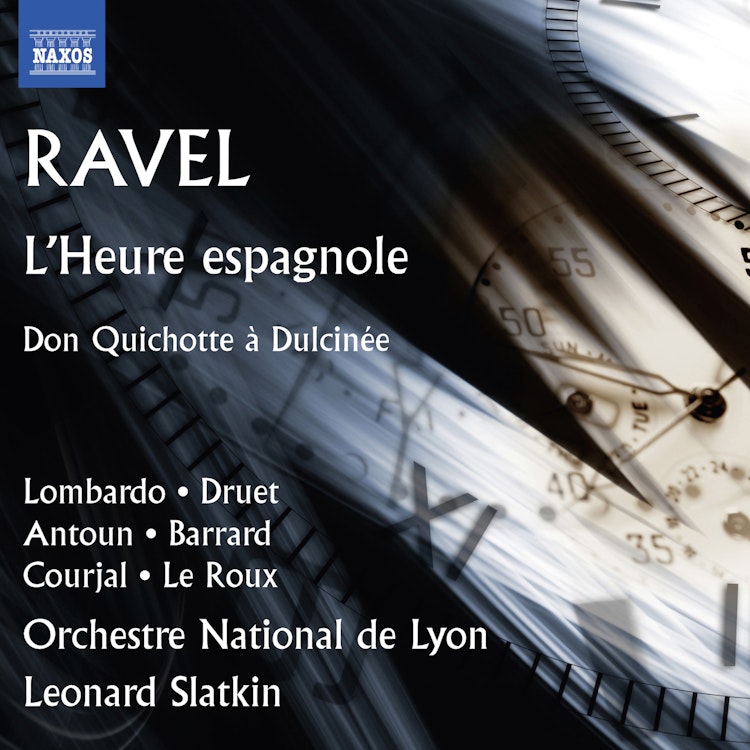
Ravel: L'heure espagnole, M. 52 & Don Quichotte à Dulcinée, M. 84
8/5/2016, 25 Tracks, 55:39
Featuring
Leonard Slatkin
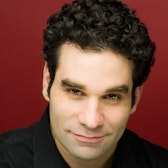
Marc Barrard
Luca Lombardo
Isabelle Druet
Frédéric Antoun
Nicolas Courjal
François Le Roux
Orchestre National de Lyon
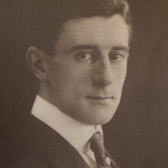
Maurice Ravel
Did you know?
1/7
Recording & Production
This album was recorded at the Auditorium Maurice-Ravel in Lyon, France, with L'Heure espagnole recorded in January 2013 and Don Quichotte à Dulcinée in September 2013.
Composition History
Don Quichotte à Dulcinée, Ravel's last composition, was originally commissioned by film director Georg Wilhelm Pabst for a new film version of Don Quixote.
Cultural Impact
The moral of L'Heure espagnole, taken from Boccaccio, is that "Among all lovers, only he who is efficient and effective succeeds."
Compositional Technique
Ravel's L'Heure espagnole uses the orchestra to sustain, punctuate, and weave around the dialogue, creating a "colouristic and poetic halo" that gives the dialogue its stage rhythm.
Composer's Artistic Vision
Ravel aimed to "breathe new life into the Italian opera buffa" by focusing on good declamation and the distinctive accents and pitch inflections of the French language.
Performer Biography
Leonard Slatkin, the conductor of this recording, is currently Music Director of the Detroit Symphony Orchestra and the Orchestre National de Lyon, and has won seven GRAMMY® Awards.
Composer Biography
Ravel's composition of Don Quichotte à Dulcinée was slow and difficult due to a degenerative cerebral-neurological disease he suffered from at the time.
You might also enjoy...
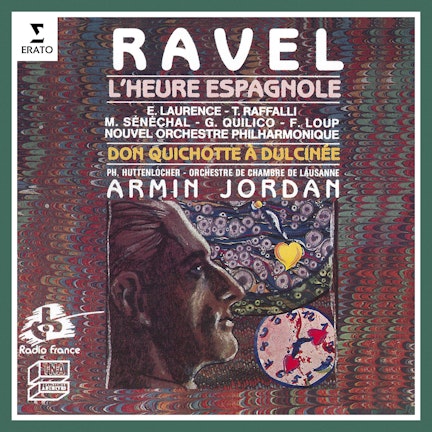
Ravel: L'heure espagnole & Don Quichotte à Dulcinée