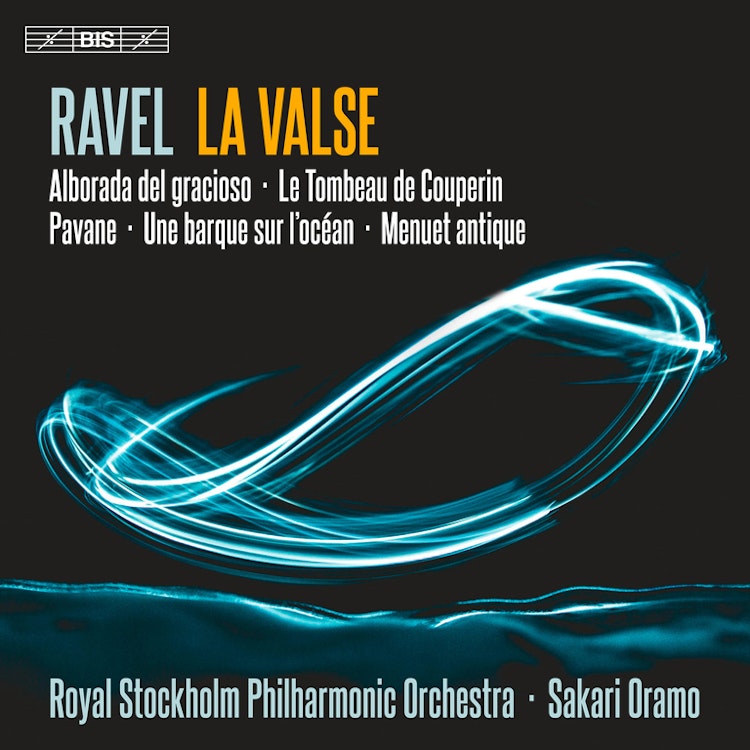
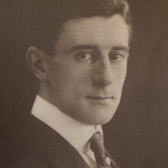
All but one piece on this recording were first conceived for piano and then orchestrated by Ravel, with the orchestral versions enhancing themes and motifs with new colors.
Performer Biography
Sakari Oramo, the conductor on this album, began his musical career as a violinist and was leader of the Finnish Radio Symphony Orchestra for several years.
Compositional Technique
Ravel's admired orchestral writing was developed through years of study, consulting with performers, trial and error, and careful reading of treatises on orchestration by Berlioz, Rimsky-Korsakov, and Widor.
Composition History
Le Tombeau de Couperin pays tribute to 18th-century French music and, more specifically, to six comrades killed on the front line during the First World War.
Composer's Artistic Vision
Maurice Ravel's music transcends instrumentation through "the purity of its lines, the clarity of its architecture, the order which reigns in the form, the transparency and grace of the style, the liveliness of expression, the complementarity of keys."
Composition History
Ravel's La Valse was commissioned by Sergei Diaghilev, director of the Ballets Russes, but he rejected it as "a painting of a ballet" rather than a ballet itself, leading to a lifelong rift between them.
Performer Biography
The Royal Stockholm Philharmonic Orchestra (RSPO) participates annually in the Nobel Prize Award Ceremony and is known for its efforts towards a more gender-balanced repertoire.
You might also enjoy...
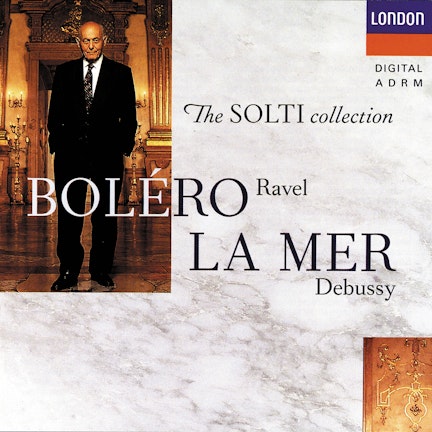
Ravel: Boléro / Debussy: La Mer
Debussy: La Mer; Prélude à L'après-midi d'un faune / Ravel: Daphnis & Chloé Suite No.2; Boléro
Ravel: Boléro/Le Tombeau de Couperin/Debussy: La Mer
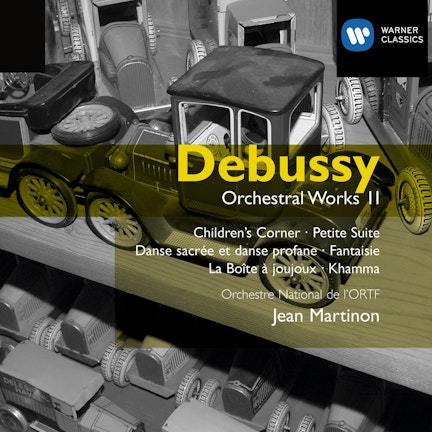
Debussy: Orchestral Works II
Ravel: Orchestral Works, Vol. 2
Ravel: Rapsodie Espagnole; Une barque sur l'ocean
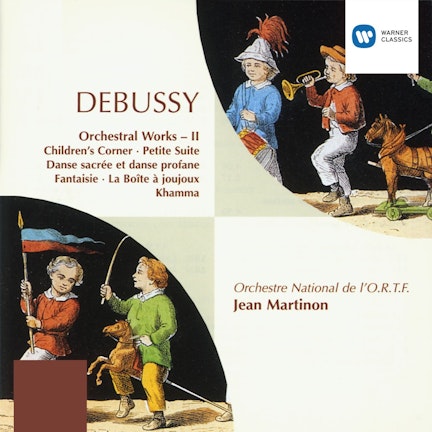
Debussy: Orchestral Works II
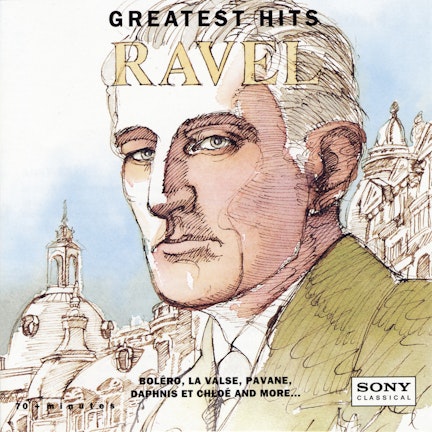
Greatest Hits Of Ravel
Debussy: La mer, Prélude à l'après-midi d'un faune, Nocturnes, Printemps & Fantaisie pour piano et orchestre
Ravel: Rapsodie Espagnole / La Valse / Daphnis Et Chloe
Ravel: Boléro; Rapsodie espagnole; Daphnis et Chloé Suite No. 2; Pavane pour une infante défunte
Ravel: Pavance - Bolero - Rapsodie Espagnole - Ma Mere L'oye