Ravel: La Valse, Mother Goose, Daphnis et Chloé Suite No 2 etc
11/2/2009, 17 Tracks, 1:02:05
Featuring
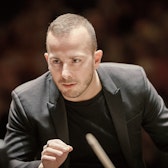
Yannick Nézet-Séguin
Rotterdams Philharmonisch Orkest
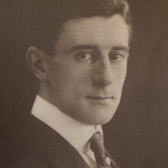
Maurice Ravel
Did you know?
1/7
Composition History
Ravel's Valses nobles et sentimentales, dating from 1912, were inspired by the "infinite variety" he found in Franz Schubert's miniature works.
Recording & Production
This recording is the first collaboration between Yannick Nézet-Séguin, who became Music Director in 2008, and the Rotterdam Philharmonic Orchestra.
Compositional Technique
In 'Lever du jour' from Daphnis et Chloé, Ravel ingeniously scores arpeggios for harps and flutes, and a slow, rising melody has string players gradually remove mutes to brighten the sound.
Composer Biography
Ravel's 'children's' music, like Ma Mère l'Oye, reflects a highly refined and nostalgic view of childhood, exploring the child's residue in the adult, as evidenced by his collection of toys still in his house.
Compositional Technique
Ravel was deeply technical in his compositional procedures, rooted in a profound respect for pre-cast forms from the past, as seen in his sonatas and Le Tombeau de Couperin.
Composer's Artistic Vision
Maurice Ravel's music often revisited creative impulses, focusing on childhood, Ancient Greek culture, and a near-obsession with waltzes.
Historical Context
Some commentators close to Ravel found a parallel between the climax of La Valse and the political madness of the First World War, in whose wake the work was written (1919-20).
You might also enjoy...
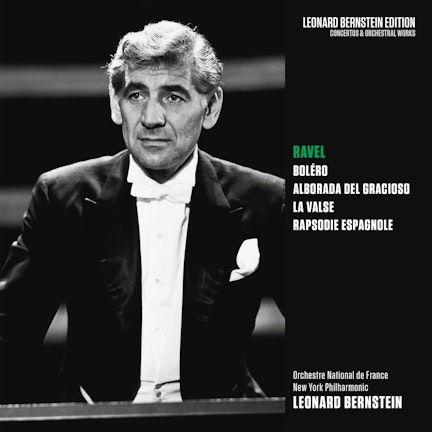
Ravel: Boléro, Alborada del gracioso, La Valse & Rapsodie espagnole
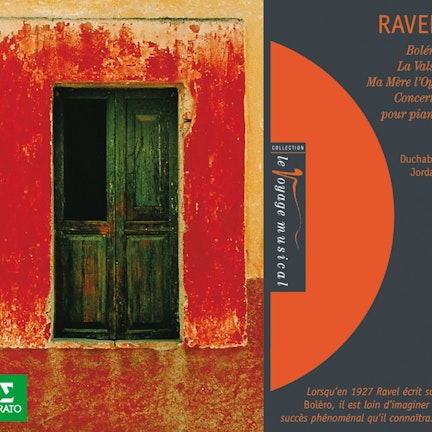
Ravel : Boléro, La valse, Ma mère l'oye & Piano Concerto
Maurice Ravel: Boléro; Alborado; La Valse; Rhapsodie Espagnole - Sony Classical Masters
Ravel: Daphnis et Chloé, M. 57 & La Valse, M. 72
Ravel: Boléro / Pavane for a Dead Princess / La Valse / Spanish Rhapsody
Ravel: La Valse, Menuet antique, Ma Mère l'Oye & Boléro
Ravel: Orchestral Works
Ravel: Bolero & Orchestral Works
Ravel: Bolero, La valse, Daphnis et Chloé Suite No. 2 & Alborada del gracioso
Ravel: Daphnis et Chloë
Joseph-Maurice Ravel: Valse (La) / Ma mere l'oye / Pavane pour une infante defunte / Bolero [Berlin Symphony, Herbig]