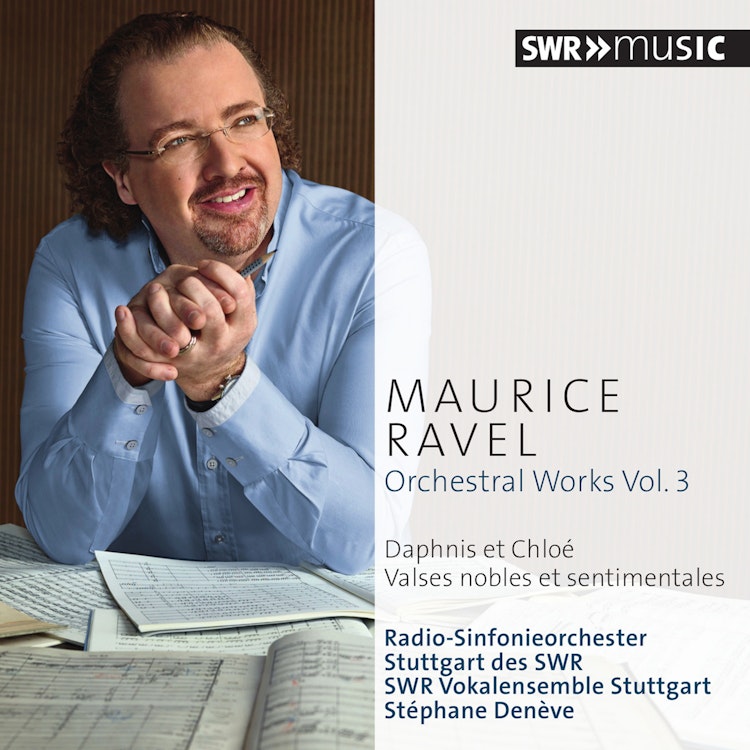
Maurice Ravel's longest work, Daphnis et Chloé, was commissioned by Russian impresario Serge Diaghilev for his Ballets Russes.
Composition History
The creation of Daphnis et Chloé was complicated by communication issues, as choreographer Mikhail Fokine spoke no French and Ravel could only curse in Russian.
Compositional Technique
The Valses nobles et sentimentales were deliberately named by Ravel to evoke Franz Schubert's waltzes of the same name, though Ravel's style was rooted in musical Impressionism.
Critical Reception
The premiere of Daphnis et Chloé was overshadowed by Vaslav Nijinsky's controversial choreography for Debussy's L'après-midi d'un faune, which caused an international scandal.
Compositional Technique
Ravel used a wide array of percussion and special instruments in Daphnis et Chloé, including a wind machine and a hidden humming choir, to create scenic effects and impressionistic depictions of nature.
Critical Reception
At its premiere, the piano version of Valses nobles et sentimentales was met with boos and catcalls, with some listeners believing it to be a waltz parody.
Composer's Artistic Vision
Ravel intended Daphnis et Chloé to evoke a 'Greece of his dreams,' influenced by 18th-century French painters, rather than historical accuracy or ancient music.
You might also enjoy...
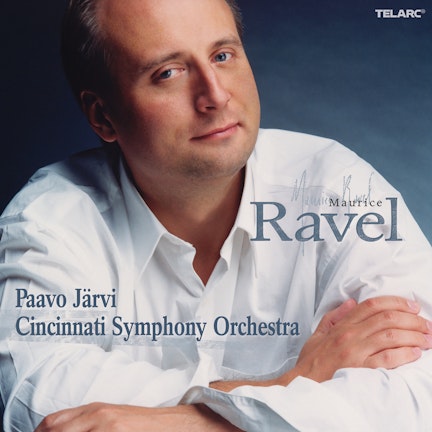
Ravel: Orchestral Works
Prokofiev: Waltzes
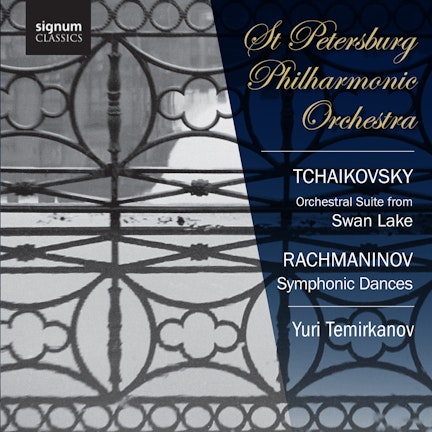
Tchaikovsky: Swan Lake Suite - Rachmaninov: Symphonic Dances