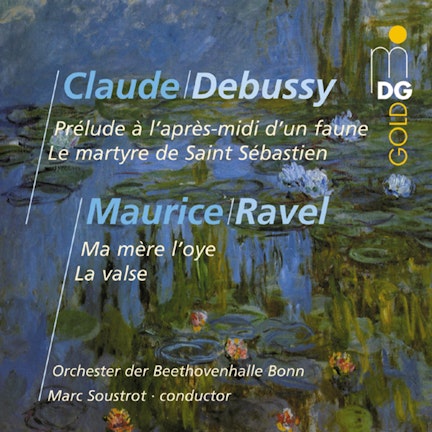
In the orchestral version of Ma mère l'oye, Ravel uses a droning contrabassoon for the Beast and a harp glissando for its transformation into a prince playing a violin.
Composition History
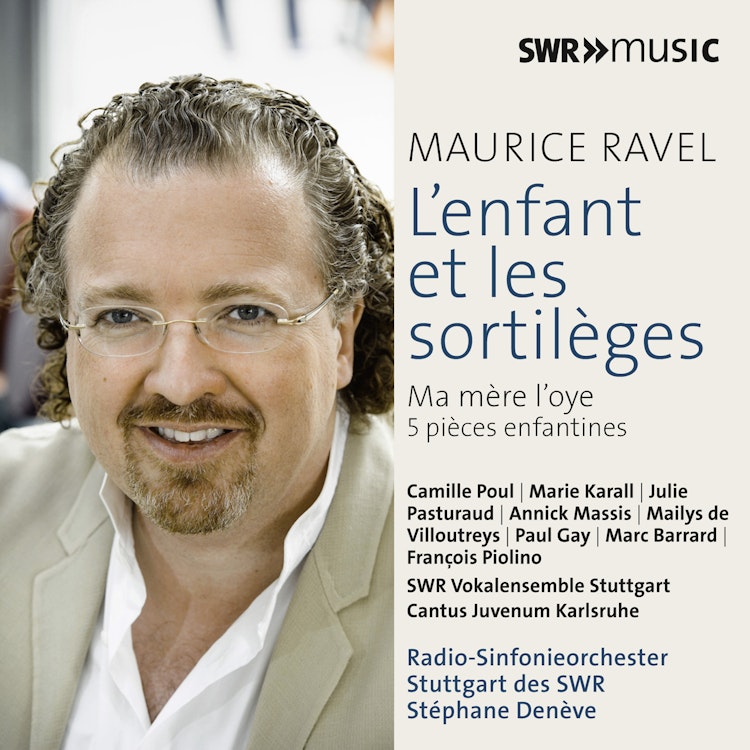
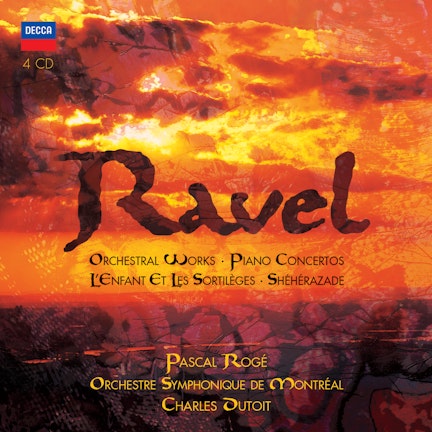
Maurice Ravel was commissioned to compose L'enfant et les sortilèges in 1914 by Jacques Rouché, director of the Paris Opéra, but did not finish the work until early 1925.
Compositional Technique
Ravel incorporated elements of the 'American operetta' (early musical) and jazz into L'enfant et les sortilèges, drawing inspiration from Parisian music halls and early jazz bands.
Composer's Artistic Vision
Ravel's interest in the libretto for L'enfant et les sortilèges stemmed from his frequent musical exploration of fantasy worlds of children and animals, possibly to compensate for his own small stature.
Critical Reception
The 1925 premiere of L'enfant et les sortilèges in Monte Carlo was largely positive, but later performances in Paris were met with protests against its unusual sounds, which Ravel found humorous.
Compositional Technique
In L'enfant et les sortilèges, Ravel uses a prepared piano called a Luthéal to create harpsichord-like sounds for the dancing furniture.
Composition History
Ravel composed Ma mère l'oye (Mother Goose) for piano four hands for Maria and Jean Godebski, children of his friends Ida and Cyprian Godebski, making it easy to play.