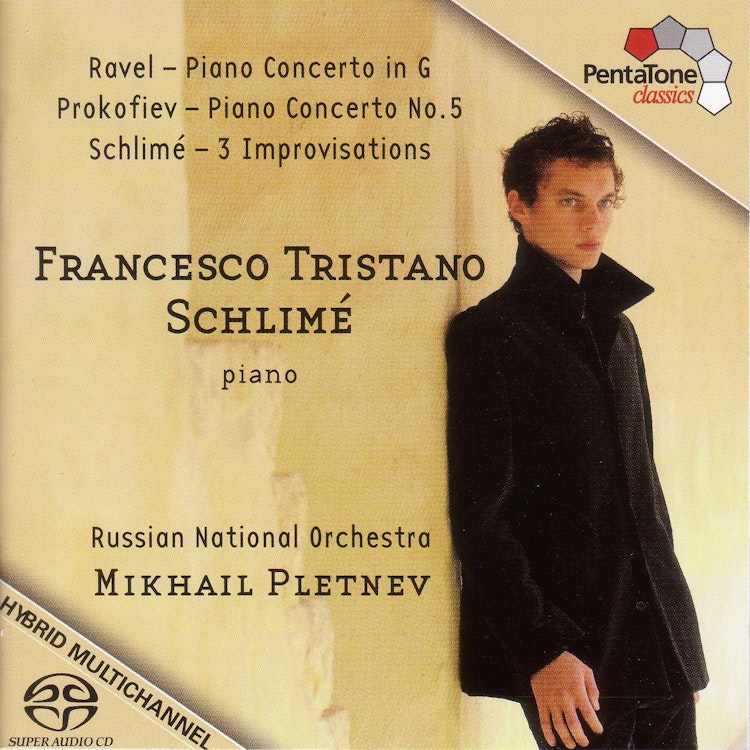
Ravel: Piano Concerto in G Major / Prokofiev: Piano Concerto No. 5 / Schlime: 3 Improvisations
1/1/2006, 11 Tracks, 1:04:27
Featuring
Mikhail Pletnev
Francesco Tristano Schlimé
Russian National Orchestra
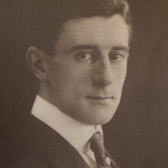
Maurice Ravel
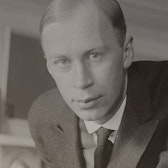
Sergei Prokofiev
Did you know?
1/7
Historical Context
The simplicity and festive nature of both concertos reflect the Parisian 'Zeitgeist' of the 1930s, influenced by Jean Cocteau, the Group of Six, and Stravinsky, with a motto of 'simplicity, clarity and pleasure.'
Composition History
Both Ravel and Prokofiev composed these concertos after writing a concerto for the left hand dedicated to the one-armed pianist Paul Wittgenstein.
Composition History
Both Ravel's Piano Concerto in G Major and Prokofiev's Piano Concerto No. 5 were composed in 1932, marking the end of the piano concerto genre for both composers.
Performer Biography
Mikhail Pletnev, the conductor on this album, won the Gold Medal and First Prize at the 1978 Tchaikovsky International Piano Competition at age 21.
Composer's Artistic Vision
Ravel initially considered the title 'Divertissement' for his Piano Concerto in G Major, aiming for a gay and brilliant character rather than profundity or dramatic effects.
Composer's Artistic Vision
Prokofiev sought a 'new simplicity' in his Piano Concerto No. 5, moving away from the ponderous harmonies and rhythmic complexities of his earlier works.
Critical Reception
Paul Wittgenstein, the one-armed pianist, refused to play Prokofiev's Fourth Concerto, stating, 'I thank you for the Concerto, but I don't understand a note of it and will not play it.'
You might also enjoy...
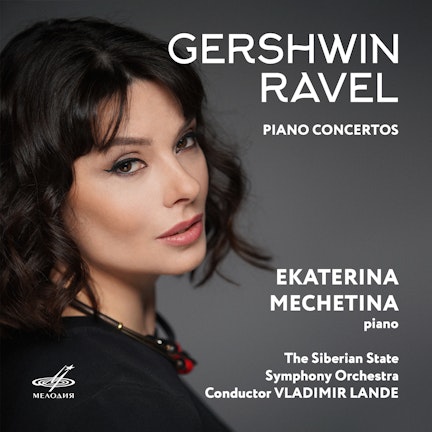
Gershwin, Ravel: Piano Concertos
Ravel: Piano Concertos/Honegger: Piano Concertino/Françaix: Piano Concertino
Rachmaninov: Piano Concerto No. 3
Gershwin & Ravel: Piano Concertos
Parisienne
Gudmundsen-Holmgreen, P.: Plateaux / For Piano
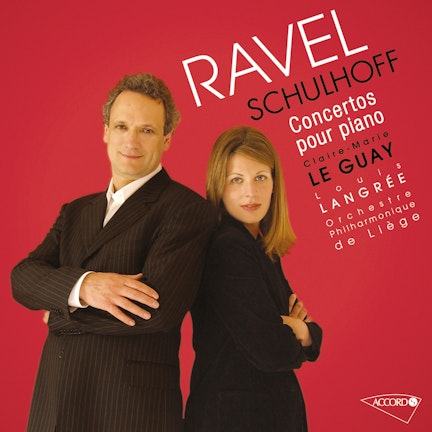
Ravel/Schulhoff: Concertos pour piano et orchestre
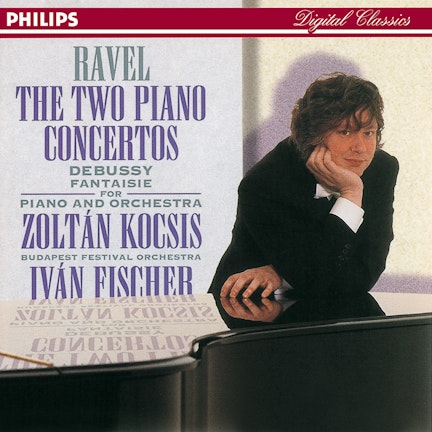
Ravel: Piano Concertos//Debussy: Fantaisie for Piano & Orchestra
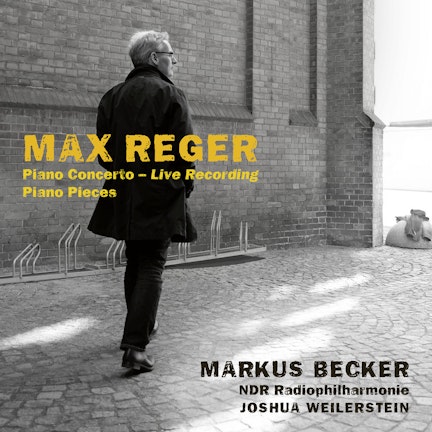
Reger: Piano Concerto & Solo works
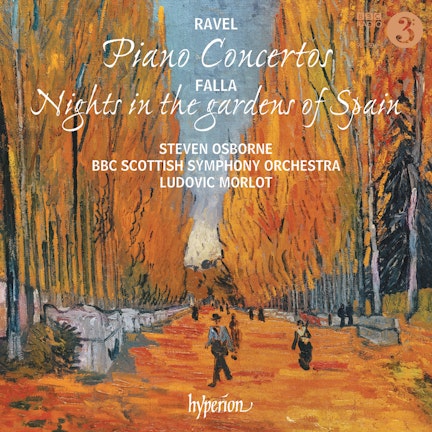
Ravel: Piano Concertos; Falla: Nights in the Gardens of Spain
Ravel: Piano Concertos - De Falla: Nights in the Gardens of Spain
Reger: Piano Concerto, Op. 114 & Solo works
Ravel & Gershwin: Piano Concertos
Prokofiev: Concertos for Piano and Orchestra Nos. 1 & 2