Ravel's last set of piano pieces, "Le tombeau de Couperin" (1914-1917), was repurposed after World War One as a memorial, with each movement dedicated to a friend who died in battle.
Compositional Technique
Ravel's "Gaspard de la nuit" (1908) was described by the composer as 'a set of three romantic poems of transcendental difficulty,' with one movement, 'Scarbo,' considered the 'Mount Everest of French piano music'.
Performer Biography
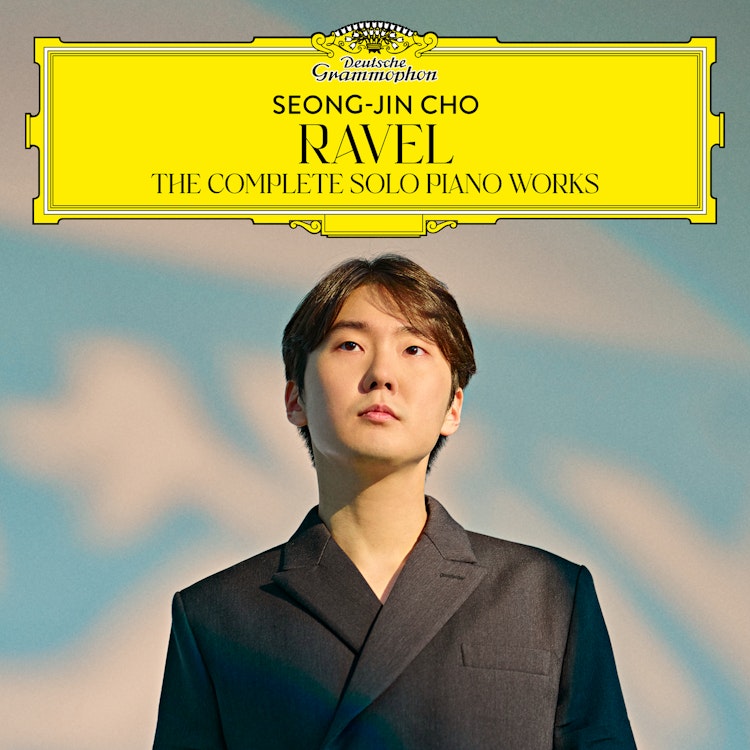
Seong-Jin Cho, the pianist on this album, won first prize in the 2015 Warsaw Chopin Competition, bringing him international attention.
Composition History
Ravel's "Jeux d'eau" (1901) was considered by the composer to be the foundation of all pianistic innovations in his works.
Composer's Artistic Vision
Maurice Ravel's aesthetic was rooted in the formal conventions of his time, drawing on his mentor Gabriel Fauré's harmonic subtlety and Camille Saint-Saëns' classicism.
Composer Biography
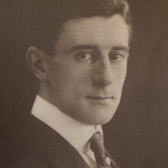
Around 1900, Maurice Ravel joined Les Apaches, a group of 'artistic outcasts' that included innovative musicians, writers, and visual artists.
You might also enjoy...
Ravel
Ravel: Complete Piano Works
Ravel: Complete Music for Solo Piano
Ravel: Complete Works for Solo Piano
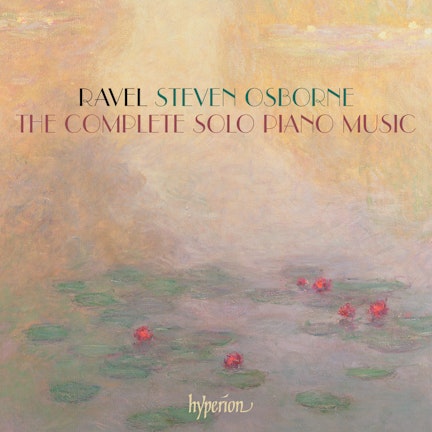
Ravel: The Complete Solo Piano Music
Ravel: The Complete Solo Piano Works and Concertos