Around 1750, the recorder was largely replaced by the transverse flute, which had a more brilliant sound and greater range, and was improved by Johann Joachim Quantz, who was also a flute maker.
Recording & Production
This album was recorded in July 2024 at St. German Church, Seewen, Solothurn (Switzerland), and is available digitally with Dolby Atmos immersive mix technology.
Composer Biography
Frederick the Great, unlike his father, had a strong interest in music, literature, and architecture, and even composed 121 solo sonatas, several concertos, symphonies, and arias.
Composer's Artistic Vision
The 'empfindsame Stil' (sensitive style), which emerged in northern Germany under Frederick the Great, aimed to directly touch listeners through simple melodies and harmonies, focusing on individual emotional expression.
Historical Context
Sanssouci Palace, built between 1745 and 1747, was designed with Frederick the Great's personal sketches and preferences, and he resided there from April to October each year.
Historical Context
Frederick II, also known as Frederick the Great, established his own court orchestra in 1740, bringing in renowned musicians like C.P.E. Bach, Franz Benda, and Johann Joachim Quantz.
Interpretation
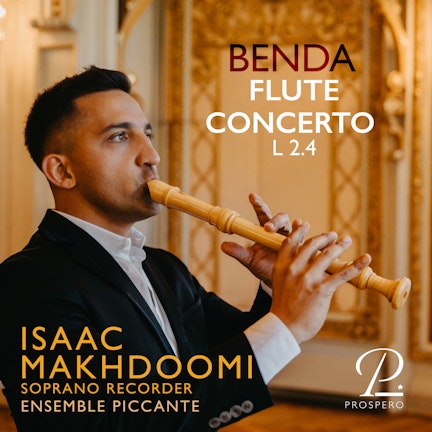
This recording aims to demonstrate that works originally for transverse flute can be performed on modern recorders, based on historical models, without being inferior to or even surpassing transverse flute interpretations.
You might also enjoy...
Haydn: Six Duo Concertantes for Two Flutes
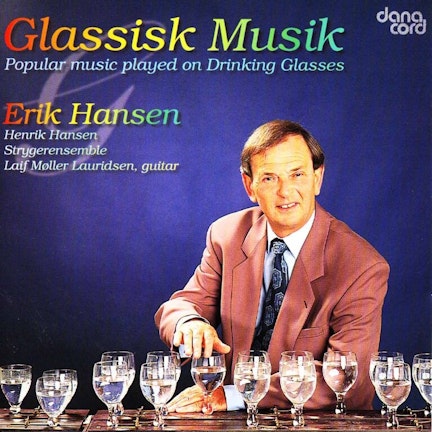
Musical Glass Arrangement - Mozart, W.A. / Rodgers, R. / Andersen, K.N. / Thomsen, K.V. / Harder, E. / Mortensen, O.
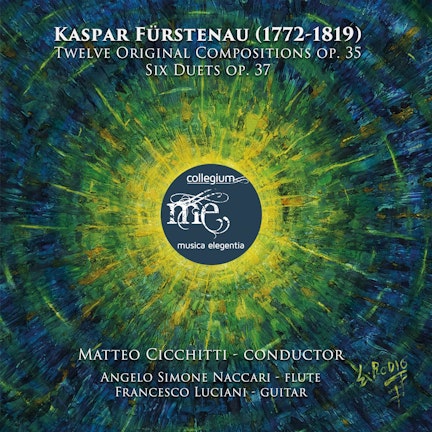
Kaspar Fürstenau: Twelve Original Compositions, Op. 35 / Six Duets, Op. 37
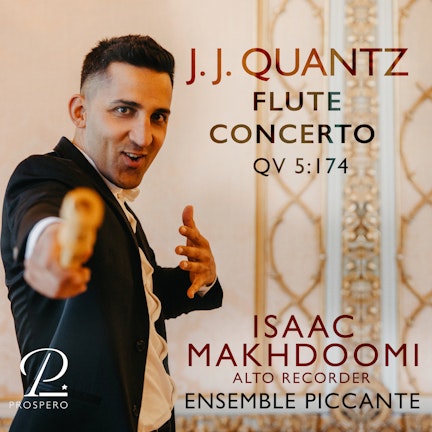
Quantz: Flute Concerto, QV 5.174
Concerto for Recorder, 2 Violins & Continuo in A Minor, RV. 108: I. Allegro
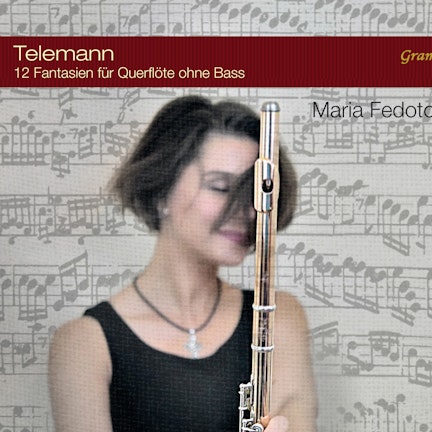
Telemann: 12 Fantasien für Querflöte ohne Bass
Benda: Flute Concerto in E Minor, L 2.4 (Arr. for Soprano Recorder by Isaac Makhdoomi)