Edgar Bainton, a pupil of Charles Villiers Stanford, found greater success in Australia as Director of the New South Wales State Conservatorium in Sydney.
Critical Reception
Tomás Luis de Victoria's 1605 Requiem is considered one of his finest works and one of the last great pieces of Renaissance polyphony.
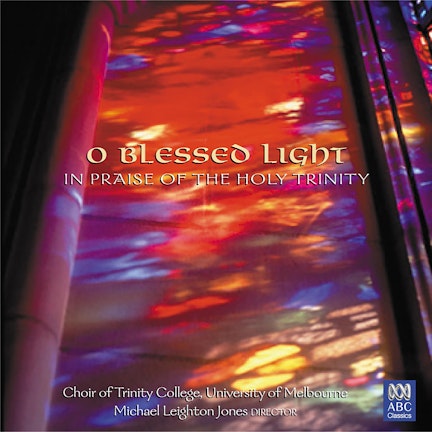
Album & Artwork
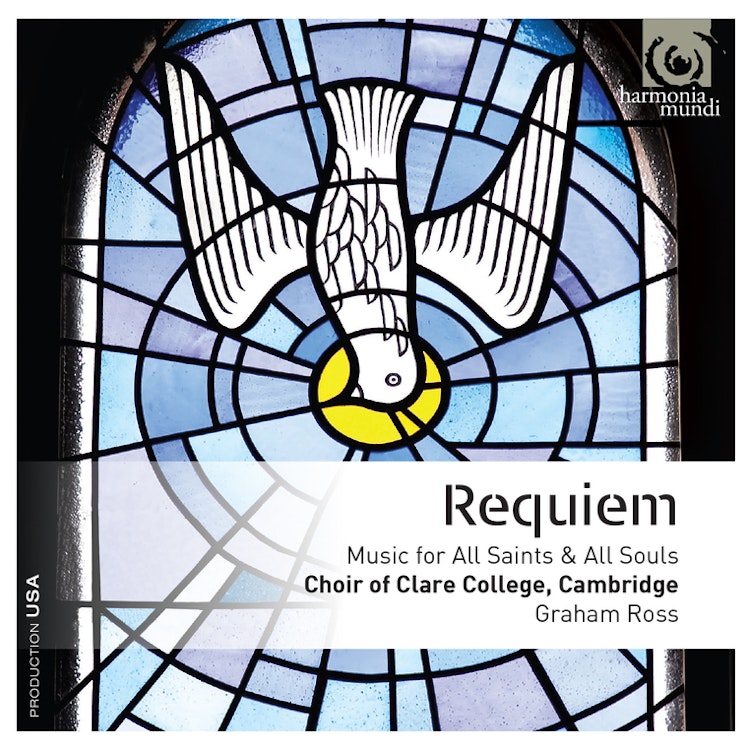
This album features music for All Saints' Day (November 1) and All Souls' Day (November 2), which honor saints and the faithful departed, respectively.
Composition History
Tomás Luis de Victoria's great 1605 Requiem, or Officium Defunctorum, was composed for the memorial services of Dowager Empress Maria, Philip II's sister, who died in 1603.
Performer Biography
The Choir of Clare College, Cambridge, founded in 1971, has an international reputation as a leading university choral group, known for its 'immaculate' and 'electric' performances.
Composer's Artistic Vision
Tomás Luis de Victoria's Officium Defunctorum has been seen by many as a 'Requiem for an Age', marking the end of Spain's golden century and Renaissance music.
Compositional Technique
Richard Dering's motet Factum est silentium uses 'word-painting' with still chords to convey silence and military rhythms to depict battle.
You might also enjoy...
Requiem: Music for All Saints & All Souls
Renaissance - Music for Inner Peace
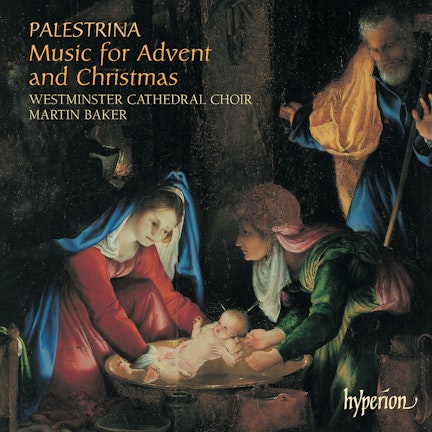
Palestrina: Music for Advent & Christmas
Introitus · Vokalmusik von Dufay bis Palestrina
The Golden Renaissance: Palestrina
Choral Music - Hildegard of Bingen / Palestrina, G. / Byrd, W. / Isaac, H. / Josquin Des Prez / Dufay, G.