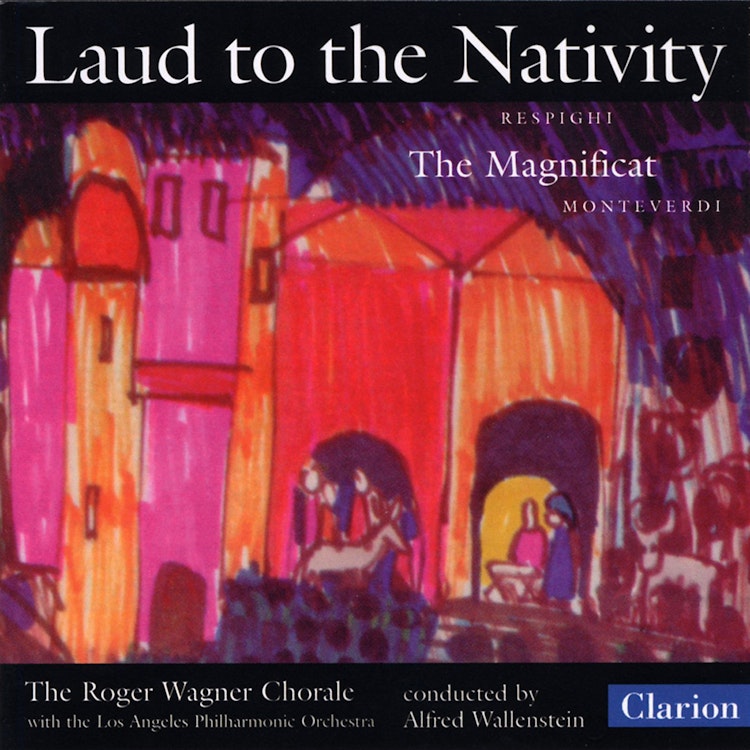
Respighi: Laud to the Nativity - Monteverdi: Magnificat
8/1/2010, 13 Tracks, 45:51
Featuring
Alfred Wallenstein
Marie Gibson
Marilyn Horne
Charles Bressler
Los Angeles Philharmonic
Roger Wagner Chorale
Ottorino Respighi
Claudio Monteverdi
Did you know?
1/7
Composer Biography
Ottorino Respighi, an Italian composer, is primarily known for his symphonic works like Fountains of Rome and Pines of Rome, and is the only 20th-century Italian symphonist with significant works in the standard repertoire.
Composition History
Respighi's Laud to the Nativity, written in 1930, depicts the nativity from the shepherds' perspective and includes staging suggestions from his wife, Elsa Respighi.
Historical Context
The text for Respighi's Laud to the Nativity is based on a laude by Jacopone da Todi, a 13th-century Franciscan poet who gave up law after his wife's death, took a vow of poverty, and was excommunicated for agitating against the Church's wealth.
Composer's Artistic Vision
Respighi, who studied under Rimsky-Korsakov, successfully incorporated deliberately archaic elements such as madrigal, plainchant, and fugue into his works, believing "the Italian genius is for melody and clarity."
Composer's Artistic Vision
Claudio Monteverdi, a key figure in the development of opera, famously stated that music must match the words it sets, a principle that helped usher in what is now identified as music of the Modern Era.
Compositional Technique
Monteverdi's Magnificat, from his 1610 Vespers, is a large and involved setting that uses instruments for variety and blends early operatic techniques with ancient cantus firmus, creating a "unique mingling of ancient and modern styles."
Recording & Production
This recording of Respighi's Laud to the Nativity and Monteverdi's Magnificat comes from a series made by the Roger Wagner Chorale in the 1960s, with the Respighi sung in an English translation by Harold Heiberg.
You might also enjoy...
Eterna Weihnachten Compilation
Mendelssohn, Felix: Church Music, Vol. 8 - Magnificat / Wir Glauben All' an Einen Gott / Gloria
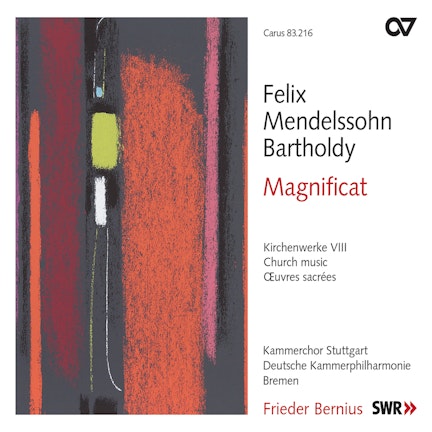
Mendelssohn: Magnificat. Kirchenwerke VIII
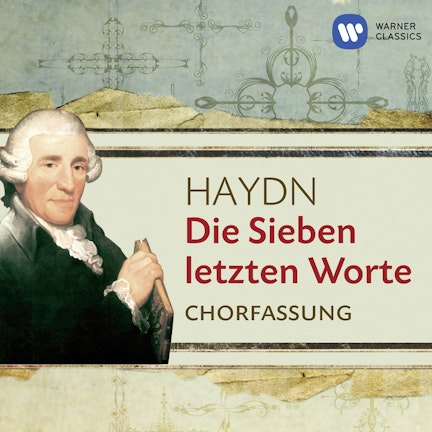
Haydn: Die sieben letzten Worte (Chorfassung)
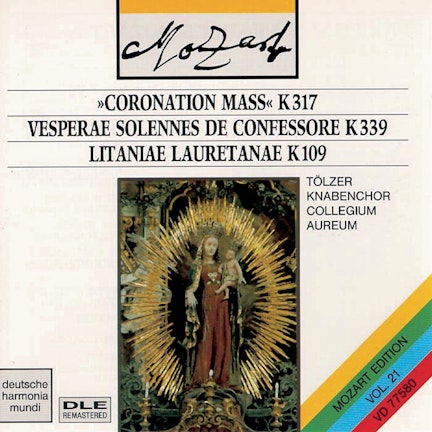
Mozart Edition Vol. 21
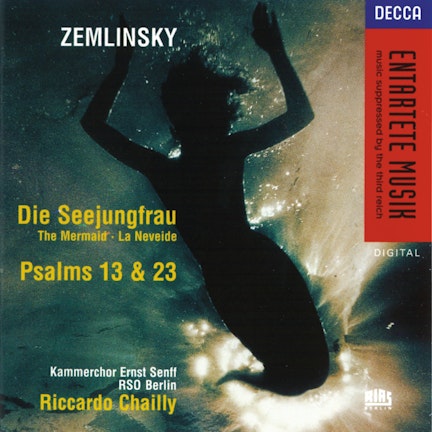
Zemlinsky: Die Seejungfrau/Psalms Nos.13 & 23
Easter Songs by Richard Harvey
Te Deum
The Glorious Sound of Christmas
Vedel: Choir Concertos Nos. 1-12 & Divine Liturgy of St. John Chrysostom