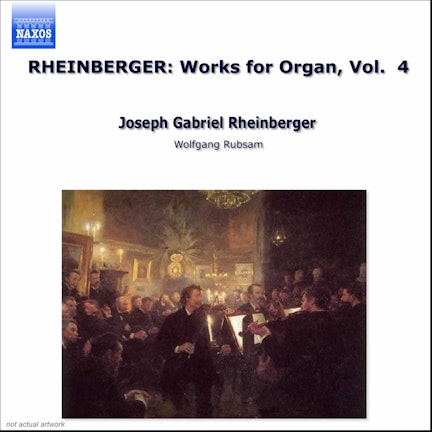
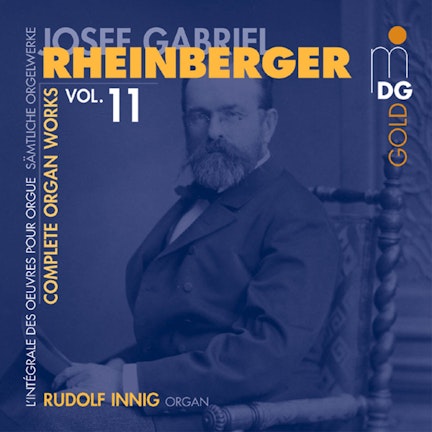
Rheinberger was skilled at infusing classical forms, such as the Sonata, with the warmth of late romanticism.
Instruments
The organ used for this recording is a new instrument in the parish church of San Michele Arcangelo, inspired by symphonic German organ music, with 30 registers and 1885 pipes.
Historical Context
Starting around 1830, Germany experienced a period of religious renewal that favored ancient sacred arts like gothic architecture, painting, and polyphony in music.
Performer Biography
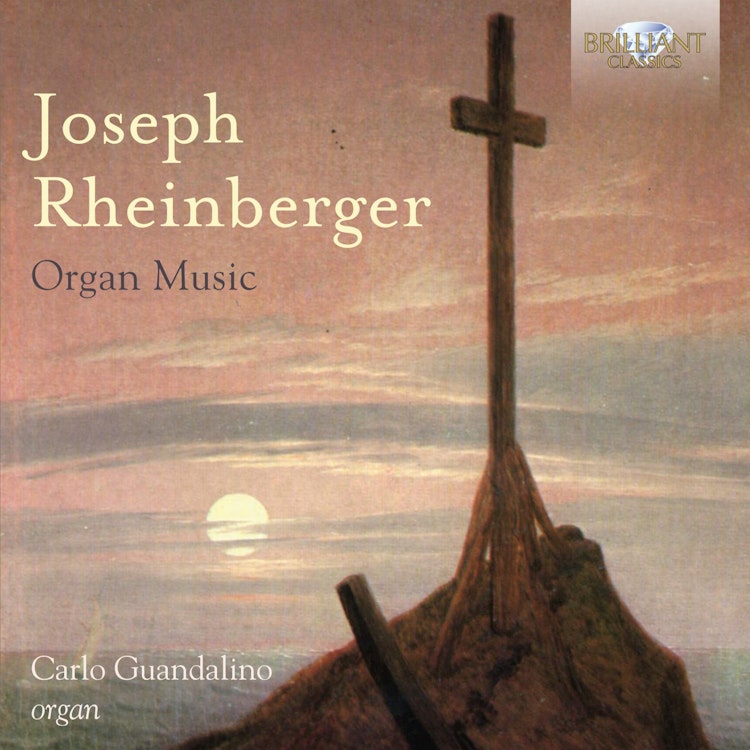
Carlo Guandalino, the organist on this album, graduated with a first-class Masters degree in Organ Interpretation and has won four national organ competitions.
Critical Reception
Rheinberger's Organ Sonatas were described in the 1908 Grove Dictionary of Music and Musicians as "undoubtedly the most valuable addition to organ music since the time of Mendelssohn."
Composer Biography
Joseph Gabriel von Rheinberger, born in Liechtenstein, was a German organist, pianist, and composer whose fame as a teacher attracted students from many different parts.
Composer's Artistic Vision
Rheinberger was the foremost German composer of the Cecilian movement, which advocated for a return to older sacred music styles and protested the secularization of liturgical composition.
You might also enjoy...
Rheinberger: Organ Pieces, Vol. 1
Organ Recital: Wilson, Todd - Jongen, J. / Langlais, J. / Dupre, M. / Bonnet, J. / Demessieux, J. / Widor, C. (Great French Virtuosic Organ Music)