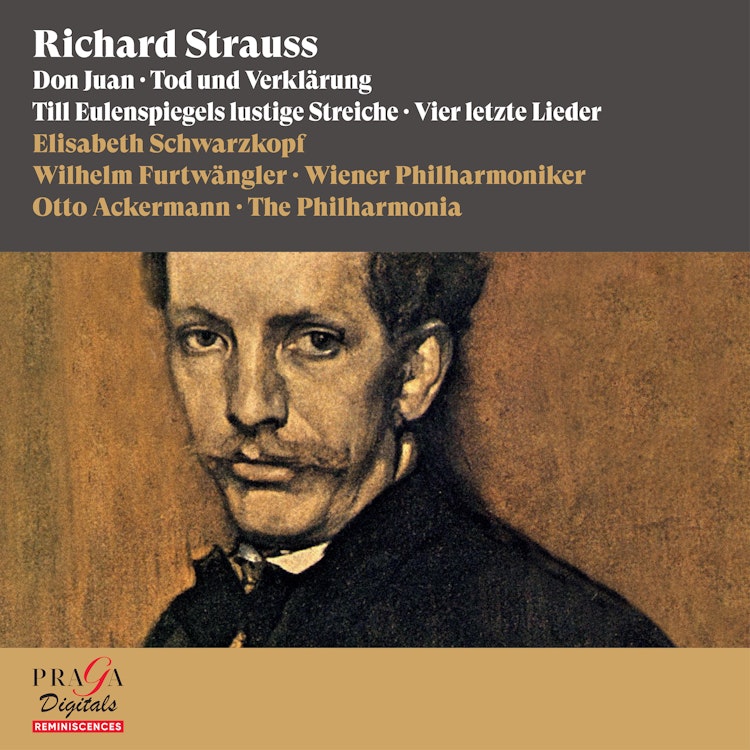
Richard Strauss: Don Juan, Tod und Verklärung, Till Eulenspiegels lustige Streiche & Vier letzte Lieder
2/1/2014, 7 Tracks, 1:18:43
Featuring
Wilhelm Furtwängler
Elisabeth Schwarzkopf
Otto Ackermann
Wiener Philharmoniker
Philharmonia Orchestra
Richard Strauss
Did you know?
1/7
Performer Biography
Otto Ackermann, a Romanian conductor, began his career at a young age, conducting the Royal Romanian Opera on tour when he was only 15.
Recording & Production
The Four Last Songs on this album were recorded in Waldorf Town Hall, London, on September 25, 1953, with Elisabeth Schwarzkopf and The Philharmonia.
Performer Biography
Wilhelm Furtwängler, a German conductor, was the son of archaeologist Adolf Furtwängler and grew up in a humanistically influenced home in Munich.
Composer Biography
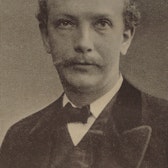
Richard Strauss's father was a famous horn virtuoso and ultra-conservative musician who despised all modern music.
Performer Biography
Elisabeth Schwarzkopf, a German-born Austrian/British soprano, was among the most renowned opera singers of the 20th century, admired for her performances of Mozart, Schubert, Strauss, and Wolf.
Composition History
The Four Last Songs were begun in Switzerland in 1947, after Strauss's last opera Capriccio, and were given to Kirsten Flagstad shortly before his death.
Composer's Artistic Vision
Richard Strauss was influenced by the new musical ideals of Berlioz and Liszt, turning his attention to descriptive orchestral music.