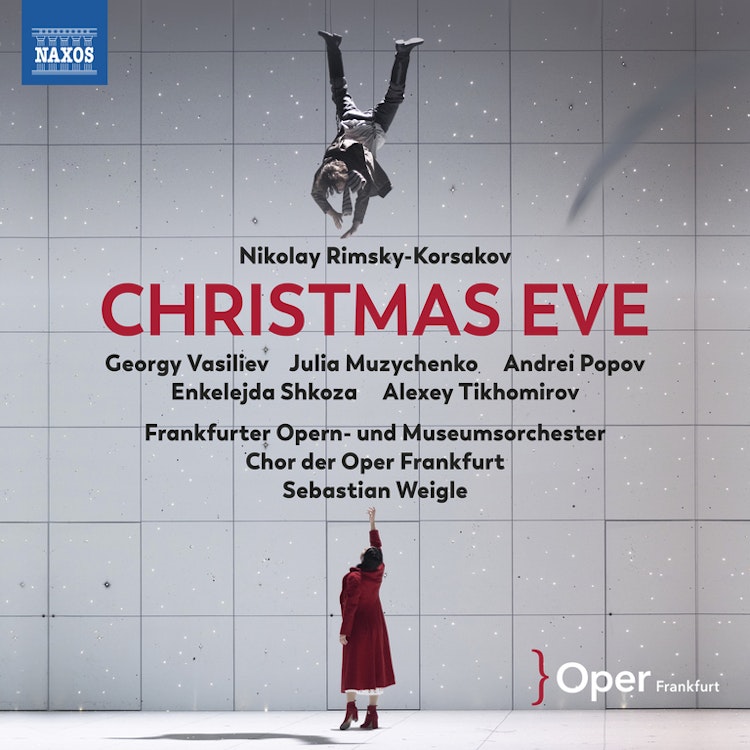
At its 1895 dress rehearsal, 'Christmas Eve' caused a scandal when Grand Dukes believed the Tsarina character depicted their great-grandmother Catherine II, leading to a request to ban the opera.
Compositional Technique
The opera's orchestral interludes, such as Vakula's ride through the night, show an affinity to Richard Wagner, while Rimsky-Korsakov's orchestral style influenced Impressionists like Claude Debussy and Maurice Ravel.
Critical Reception
To circumvent a ban on depicting Russian rulers, the role of the Tsarina was cast with a male actor, a 'Lord Duke', for the premiere, which Rimsky-Korsakov used to 'make the most senior and junior censors look ridiculous'.
Compositional Technique
Rimsky-Korsakov's 'Christmas Eve' blends Christian and pagan elements, taking melodies from his folk-song collection and incorporating polyphonically arranged Kolyada choirs.
Composer's Artistic Vision
Nikolay Rimsky-Korsakov, an avowed pantheist, viewed nature as a reflection of the Divine, and his operas often explore the relationship between mankind and nature.
Historical Context
During a three-year circumnavigation on the naval vessel Almas, Rimsky-Korsakov developed a critical attitude towards state authorities due to the sadistic behavior of Tsarist captains.
Composition History
Rimsky-Korsakov delayed composing 'Christmas Eve' out of consideration for Pyotr Ilyich Tchaikovsky, who had already adapted the same story in his opera 'Vakula the Smith'.