Rodion Shchedrin: Carmen Suite – Respighi: Pini di Roma (Live)
1/3/2020, 17 Tracks, 1:06:06
Featuring
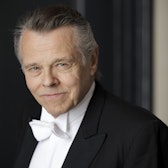
Mariss Jansons
Symphonieorchester des Bayerischen Rundfunks
Rodion Shchedrin
Ottorino Respighi
Did you know?
1/7
Compositional Technique
In Pini di Roma, Respighi used actual children's songs from Rome to create an authentic atmosphere for the scene of children playing in the Villa Borghese.
Critical Reception
The premiere of Shchedrin's Carmen-Suite in 1967 at Moscow's Bolshoi Theatre caused a scandal, with the Soviet Minister of Culture criticizing its 'sexual treatment of the Carmen figure'.
Composition History
Rodion Shchedrin, the composer of the Carmen-Suite, wrote the work in 1967 for his wife, Maya Plisetskaya, who was the prima ballerina of Moscow's Bolshoi Theatre.
Performer Biography
Mariss Jansons, the conductor on this album, was awarded a Grammy in 2006 for his recording of Shostakovich's 13th Symphony with the Symphonieorchester des Bayerischen Rundfunks.
Compositional Technique
Shchedrin's Carmen-Suite uses an unusual scoring of strings, timpani, and four percussion groups, deliberately omitting woodwinds to give the familiar Carmen melodies a new sound.
Composer's Artistic Vision
Respighi, the composer of Pini di Roma, aimed to free Italian symphonic music from operatic clichés and was influenced by Russian orchestral sound, French Impressionism, and the large orchestras of Richard Strauss.
Compositional Technique
For the nightingale's song in Pini di Roma, Respighi famously used a phonograph recording of a real nightingale, blending it with the orchestral strings.
You might also enjoy...
Oscar Straus: Der Traum ein Leben · Die Prinzessin von Tragant
Tchaikovsky, P.I.: Romeo and Juliet / Prokofiev, S.: Romeo and Juliet Suites Nos. 1-3
Tchaikovsky: Romeo and Juliet, TH 42 & The Nutcracker Suite, Op. 71a, TH 35
Ives: The Unanswered Question
R. Strauss: Tilleulenspiegel; Igor Stravinsky: The Firebird
Stravinsky, I.: Firebird (The) / Chant Du Rossignol
Strauss: Don Quixote - Salomes Tanz
Copland & Bernstein
Richard Strauss: Also sprach Zarathustra/Don Juan/Salome:Dance of the Seven Veils