Johann Rosenmüller, the composer, was imprisoned in Leipzig in 1655 on accusations of "grievous excesses" and fled to Venice to avoid trial.
Interpretation
The WESER-RENAISSANCE Ensemble of Bremen, which performs on this album, uses a variable lineup of internationally sought-after vocal soloists and specialized instrumentalists on original period instruments to achieve a vibrant and musicologically flawless performance.
Performer Biography
Manfred Cordes, the conductor of Weser-Renaissance, is a specialist in 16th and 17th-century music who views himself as an intermediary between musicology and performance.
Compositional Technique
Rosenmüller's vocal music is notable for its imaginative text treatment, playing with contrasts between homophony and polyphony, solos and tuttis, and polychoral spatial effects.
Composer Biography
After fleeing Leipzig, Rosenmüller settled in Venice, where he became a trombonist at St. Mark's Basilica and a 'maestro di coro' at the Ospedale della Pietà, an institution later associated with Antonio Vivaldi.
Composition History
The seven settings of Psalm 31 by Johann Rosenmüller on this album use only the first six verses of the psalm, which include the words 'Into thy hands I commit my spirit' – Christ's last words on the cross.
Cultural Impact
Johann Rosenmüller's compositional techniques, including his treatment of instruments, part-writing, and major-minor tonality, helped form the musical 'grammar' for the generation of Bach and Telemann.
You might also enjoy...
Österreich: Psalms & Cantatas
Cazzati: Amor Profano, Amor Sacro, Secular and Sacred Vocal Music
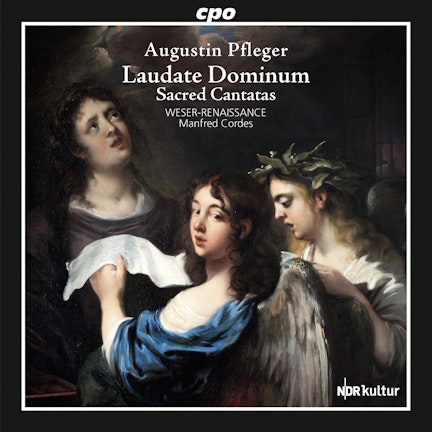
Pfleger: Sacred Cantatas
Graupner: The Seven Words of Christ on the Cross
Ralf Yusuf Gawlick: O Lungo Drom, Op. 22
Graupner: Das Leiden Jesu
Rigatti: Motteti per soprano, Book 2
Zapf: Das goldene Kalb
The Night of Saint Nicholas. A Mediaeval Liturgy for Advent
Sånger från Aftonland
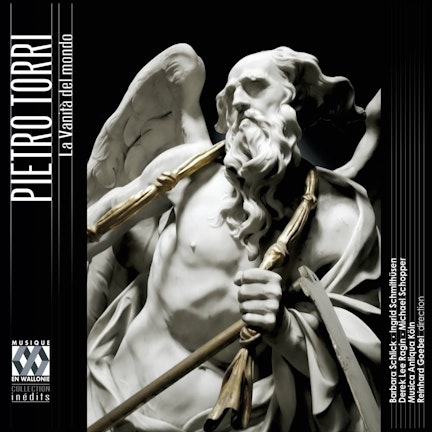
Torri: La Vanità del mondo
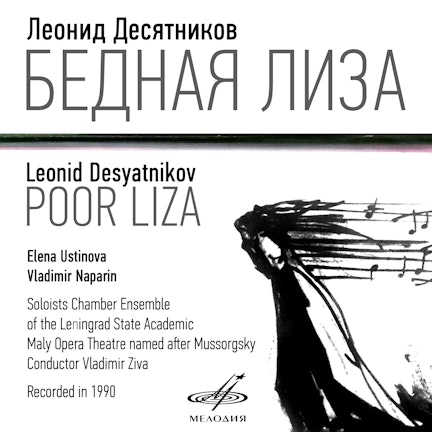
Десятников: Бедная Лиза
Dattari: Le Villanelle a tre, a quattro e a cinque voci