Orchestra dell'Accademia Nazionale di Santa Cecilia
Coro dell'Accademia Nazionale di Santa Cecilia
Gioachino Rossini
Did you know?
1/7
Composer's Artistic Vision
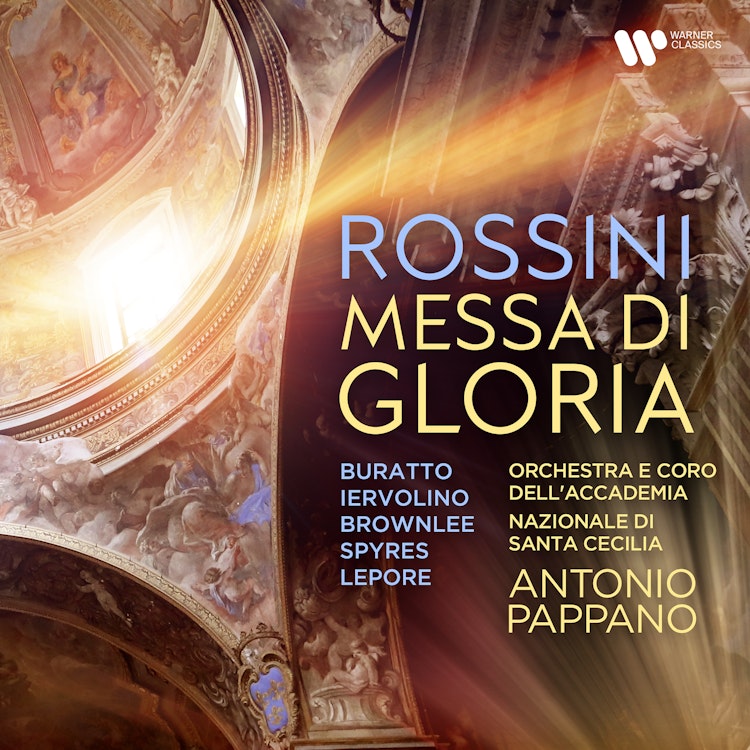
Antonio Pappano, the conductor of this recording, believes Rossini's use of operatic elements and self-quotations in the Messa di Gloria is part of his true style and should be celebrated.
Compositional Technique
The final fugue in the Cum Sancto Spiritu movement of the Messa di Gloria was likely written, at least largely, by Pietro Raimondi, an expert fugue writer, as Rossini may have lacked the expertise or inclination.
Compositional Technique
The Messa di Gloria is a 'mass of light' that does not include the darker elements of the Credo or Crucifixus, unlike a Requiem Mass.
Composition History
The Messa di Gloria is Rossini's only work on liturgical texts written during his active career as an opera composer, unlike his later Stabat Mater and Petite Messe solenelle.
Critical Reception
At its 1820 premiere, critics were put off by the Messa di Gloria's overtly operatic characteristics and Rossini's self-quotations from previous operatic works.
Composition History
Gioachino Rossini, a composer known for his operas, wrote his Messa di Gloria in 1820 on very short notice for the Arciconfraternita di San Luigi in Naples.
Recording & Production
This recording was made live in concert with a distanced orchestra and chorus due to Covid pandemic restrictions, which contributed to a sense of grandeur and space in the music.
You might also enjoy...
Rossini: Petite messe solennelle
The José Carreras Collection
Blumenthal: Piano Quintets Opp. 2 & 4 and 4 Songs
Noël
Alessandro Scarlatti: Con eco d'amore
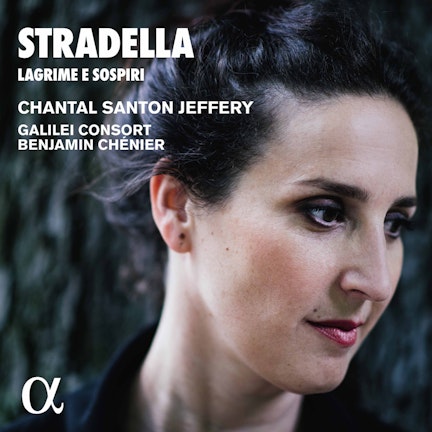
Lagrime e sospiri
Viaggio Italiano
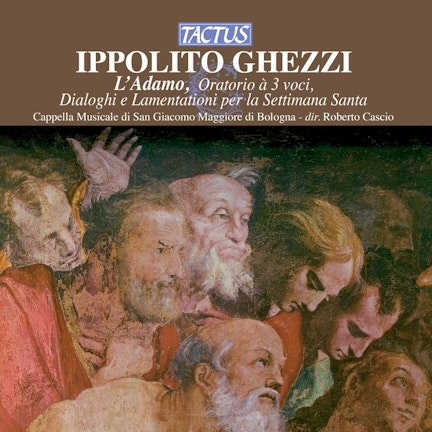
Ghezzi: L'Adamo - Dialoghi sacri - Lamentationi per la Settimana Santa
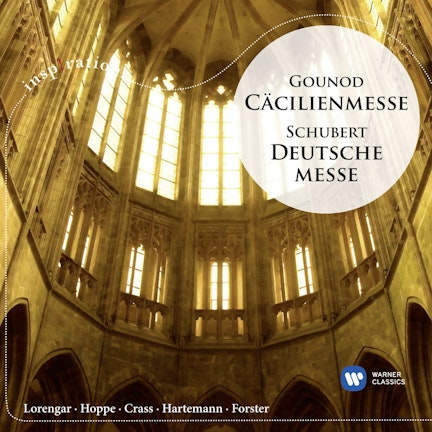
Gounod: Cäcilienmesse / Schubert: Deutsche Messe
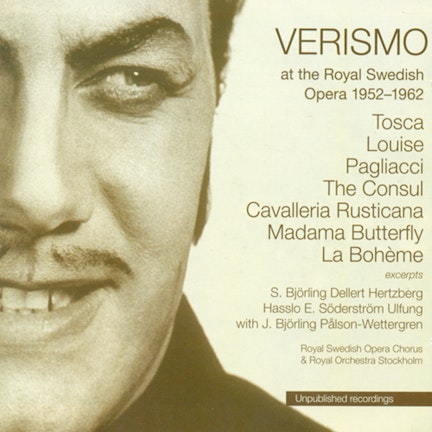
Verismo at the Royal Swedish Opera
Casella: Triple Concerto / Concerto for Piano, Timpani, Percussion and Strings / Cello Concerto