After his opera Guillaume Tell in 1829, Rossini completed very few works, with health problems, pension disputes, and changing operatic styles contributing to a pessimistic worldview.
Composition History
Rossini initially composed only six movements of his Stabat Mater, asking his pupil Giovanni Tadolini to complete the rest due to his own serious illness.
Compositional Technique
Rossini used explicit musical quotations and other formal elements, such as a dotted rhythm and sigh-like motifs, to create a cyclical and rounded impression across the ten movements of the Stabat Mater.
Composer Biography
Despite his Stabat Mater being considered the embodiment of Italian sacred music, Rossini was known as 'il tedeschino' (the little German) during his lifetime due to his fondness for German music.
Notable Performances
The first performance of Rossini's completed version of the Stabat Mater on January 7, 1842, was a triumph, with proceeds from subsequent performances donated to the Théâtre-Italien.
Composition History
Rossini angrily refused a publisher's request to publish the original version of his Stabat Mater, stating he had only dedicated it to Father Manuel Fernández Varela and reserved publication rights for himself.
Critical Reception
Rossini's Stabat Mater has faced criticism for being too 'operatic' and 'stylistically lightweight' to be considered serious sacred music.
You might also enjoy...
Rossini: Messa Di Gloria
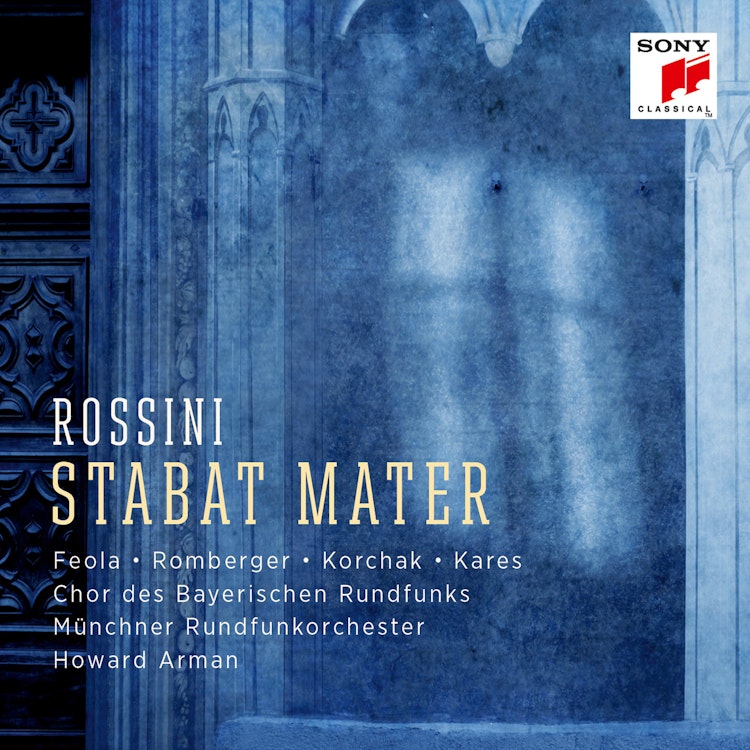
Rossini: Stabat Mater
On My Journey Now: Spirituals & Hymns
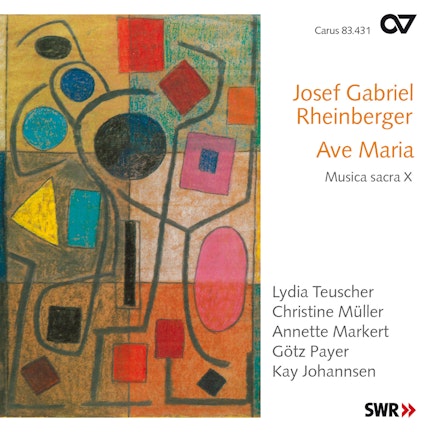
Josef Gabriel Rheinberger: Ave Maria
Rheinberger: Musica sacra, Vol. 10
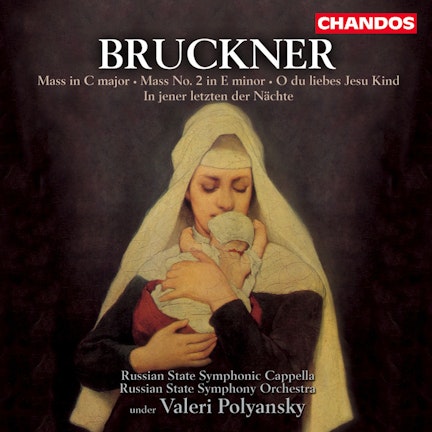
Bruckner: Mass No. 2 / Mass in C Major / O Du Liebes Jesu Kind / in Jener Letzten Der Nachte