Rued Langgaard:The Early Recordings 1957-1981 Symphonies and Orchestral Works
2/9/2025, 46 Tracks, 2:24:58
Featuring
John Frandsen
Martellius Lundquist
Francesco Cristofoli
Launy Grøndahl
Ernst Hye-Knudsen
Kai Laursen
Aksel Wellejus
Alf Sjøen
Grethe Krogh
Margrethe Danielsen
DR SymfoniOrkestret
Odense Symfoniorkester
Aalborg Symfoniorkester
Danish National Radio Choir
Rued Langgaard
Did you know?
1/7
Critical Reception
After his death in 1952, Langgaard was nearly forgotten in Danish music history, but a renaissance for his music began around 1965 and gained significant momentum in the 1990s.
Cultural Impact
The Music of the Spheres was considered 50 years ahead of its time by composer György Ligeti in 1968, who noted that Langgaard had anticipated avant-garde music of the 1960s.
Composer Biography
Rued Langgaard, the composer, made his debut as an organist and improviser at age eleven and had his first symphony premiered by the Berlin Philharmonic at nineteen.
Historical Context
Langgaard's religious and symbolic musical style clashed with the antiromantic trend in Denmark, which was influenced by Carl Nielsen, leading to his marginalization.
Compositional Technique
Langgaard's work The Music of the Spheres eliminates traditional musical elements like melody, harmony, and rhythm, replacing them with static sound surfaces and a focus on spatial ideas.
Recording & Production
Danmarks Radio (DR) played a crucial role in the revival of Langgaard's music, initiating a series of productions of his works with Danish regional orchestras from 1968.
Composer's Artistic Vision
Langgaard's music is characterized by unusual stylistic variation, unconventional forms, and a striving for expressive, image-creating, and visionary expressions.
You might also enjoy...
Hindemith conducts Hindemith
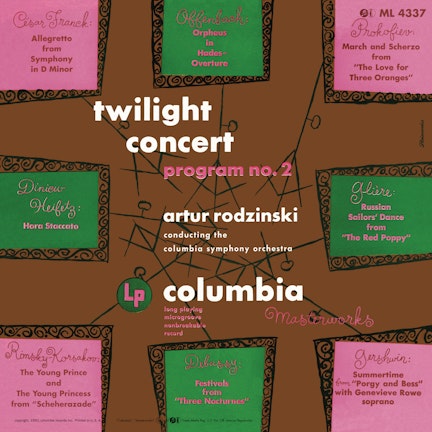
Twilight Concert 2
Karl Böhm - The Early Years
Carlos Chávez - The Complete Columbia Album Collection
Wilhelm Furtwängler & The RAI Orchestra (Live)
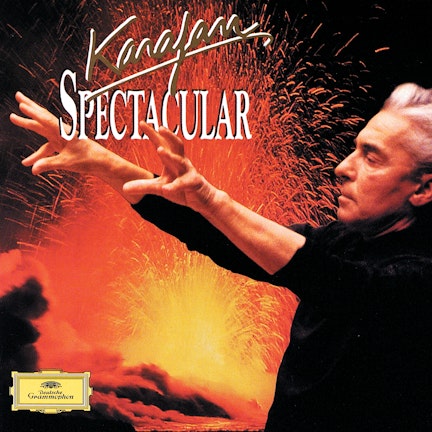
Karajan Espectacular
The Concerts 1952-1958
Langgaard, R.: Symphonies Nos. 15, "Sostormen" and 16, "Syndflod Af Sol"
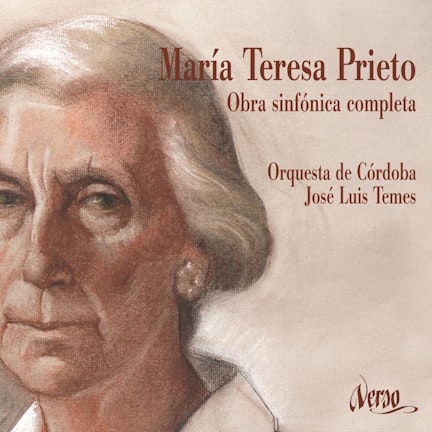
María Teresa Prieto: Obra sinfónica completa
Haydn, Strauss II & Others: Orchestral Works (Live)
Berlioz: Symphonie fantastique; Overture Les francs-juges
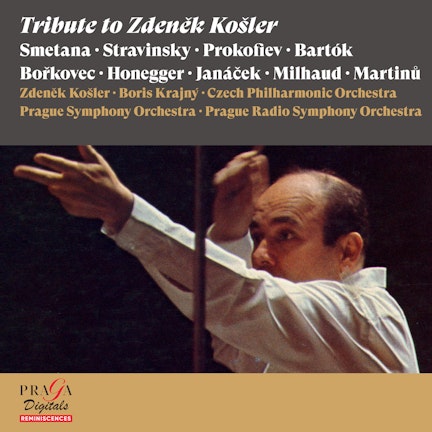
Tribute to Zdeněk Košler [Smetana, Stravinsky, Prokofiev, Bartók…]