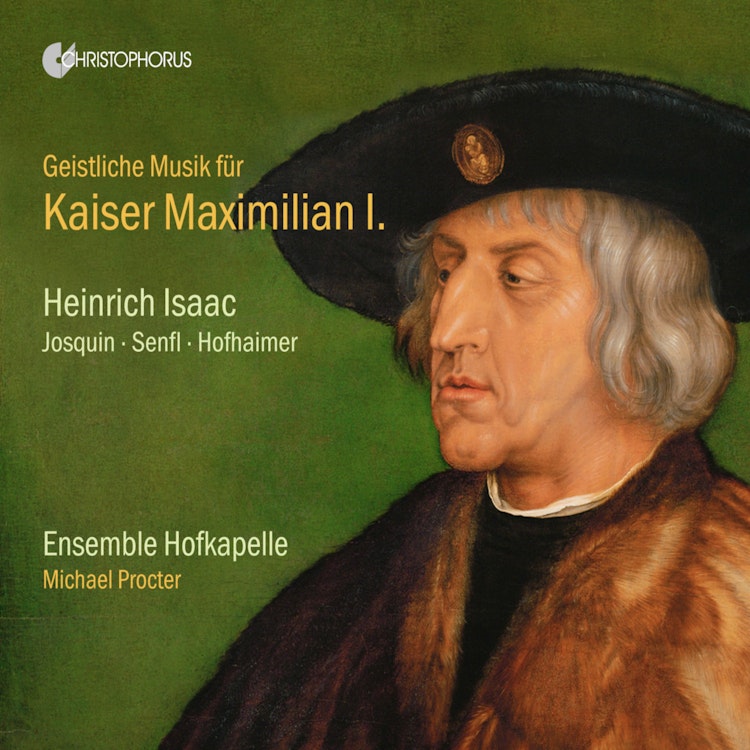
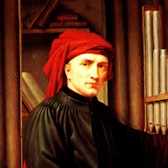
The Mass settings on this album are 'alternatim', meaning they alternate between polyphony sung by professional singers and chant sections improvised on the organ by the imperial organist Paul Hofhaimer.
Compositional Technique
The Missa de Beata Maria Virgine by Heinrich Isaac includes 'tropes' – additional text sections inserted into the fixed texts of the Mass Ordinary – a practice later banned by the Council of Trent.
Notable Performances
Isaac's motet Virgo prudentissima was so highly regarded that a retexted version, known as the 'Kaisermotette', was performed at the Reichstag in Konstanz in 1507.
Composer Biography
Paul Hofhaimer (1459-1537), an organist and composer on this album, was knighted and ennobled by Emperor Maximilian I, becoming the first musician to be elevated to the nobility.
Compositional Technique
Paul Hofhaimer, a renowned organist, was celebrated for his improvisational skills, and his surviving organ works are characterized by masterful contrapuntal technique and rich melodic and rhythmic diversity.
Composition History
Heinrich Isaac (c. 1450-1517), a composer featured on this album, was appointed court composer by Emperor Maximilian I in 1497.
Historical Context
Emperor Maximilian I (1459-1519) established his Imperial Court Chapel, taking inspiration from the Burgundian court chapel he experienced during his first marriage.
You might also enjoy...
Josquin Des Prez: Missa "Ave maris stella", motets & chansons
De Rore: Missa Praeter rerum seriem
Regina angelorum
Magnificat
Mary in the Land of Snow and Light
Saints and Sinners - The Music of Medieval and Renaissance Europe
Una poesia muta. Art in Early Cinquecento Venice
Praetorius: Christmas Mass
Praetorius: Christmette
The Art of the Netherlands
Charpentier: Œuvres pour le Port-Royal
Christmas Music from Medieval and Renaissance Europe