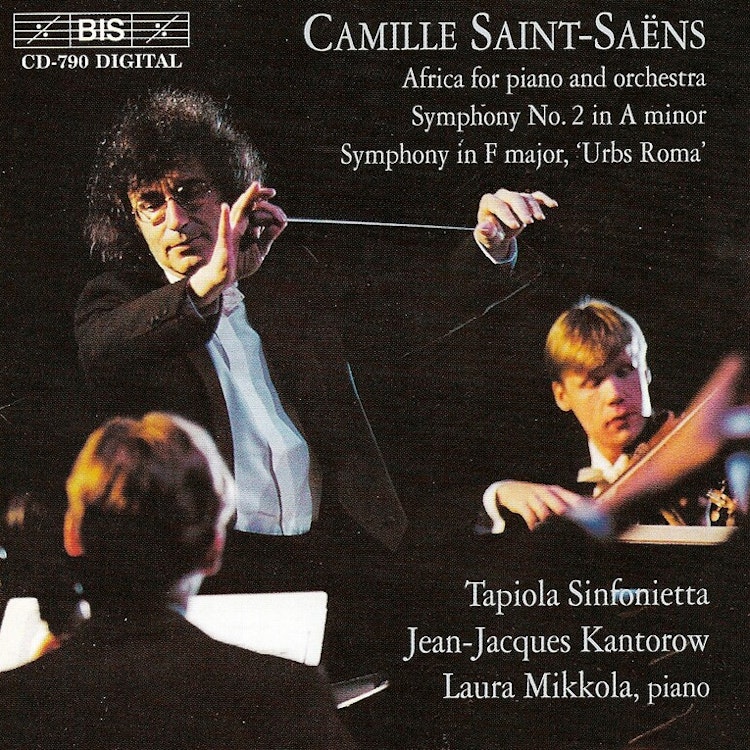
Saint-Saens, C.: Africa / Symphony No. 2 / Symphony in F major, "Urbs Roma"
5/31/1998, 9 Tracks, 1:13:04
Featuring
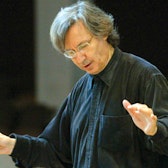
Jean-Jacques Kantorow
Laura Mikkola
Tapiola Sinfonietta
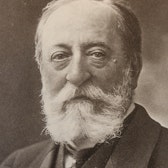
Camille Saint-Saëns
Did you know?
1/7
Composer Biography
Camille Saint-Saëns, born in 1835, was a child prodigy who won a first prize for organ playing at 16 and became an organist and teacher at 18, counting Gabriel Fauré among his pupils.
Compositional Technique
The Symphony No. 2 by Saint-Saëns features a fugue in its first movement, possibly the first in a symphony since Mozart's 'Jupiter' Symphony.
Performer Biography
Laura Mikkola, the pianist on this album, began her studies at the Sibelius Academy in Helsinki at age seven and has won numerous international prizes, including best pianist at the International Steinway Competition.
Composer Biography
Saint-Saëns' organ improvisations were so renowned that figures like Franz Liszt, Clara Schumann, Pablo de Sarasate, and Anton Rubinstein journeyed to hear him.
Performer Biography
Jean-Jacques Kantorow, the conductor, is a French violinist of Russian extraction who won numerous international prizes for violin, including the Carl Flesch and Paganini Competitions, and debuted at Carnegie Hall at age 19.
Composer's Artistic Vision
Saint-Saëns had a genuine interest in African music, busying himself with local folk-music during his numerous journeys to Africa, especially Egypt and Algeria.
Composition History
Saint-Saëns's Symphony No. 2, written in 1859, was actually his fourth symphony, but it was not published until 1878, leading to its relatively high opus number.
You might also enjoy...
Rachmaninov: Symphony No.3; Youth Symphony; Piano Concerto No. 4
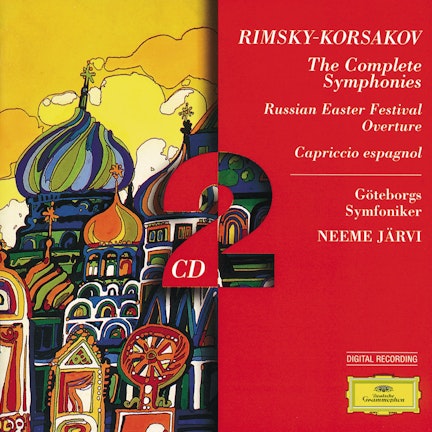
Rimsky-Korsakov: The Complete Symphonies; Russian Easter; Capriccio es
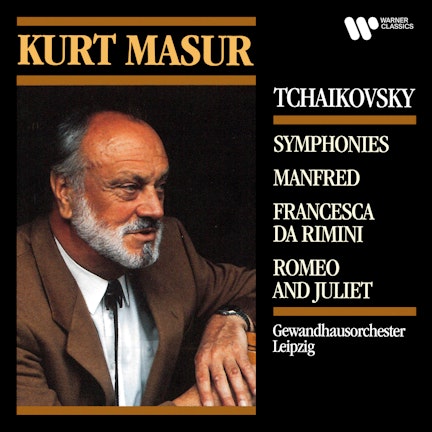
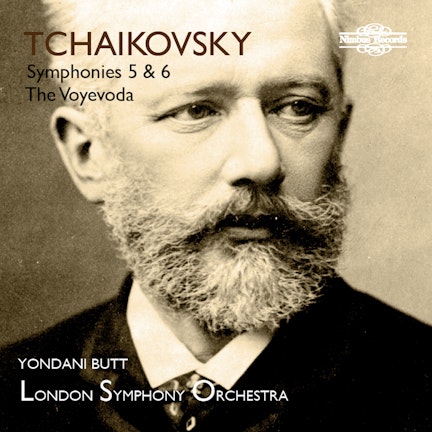
Tchaikovsky: Symphonies, Romeo and Juliet, Francesca da Rimini & Manfred
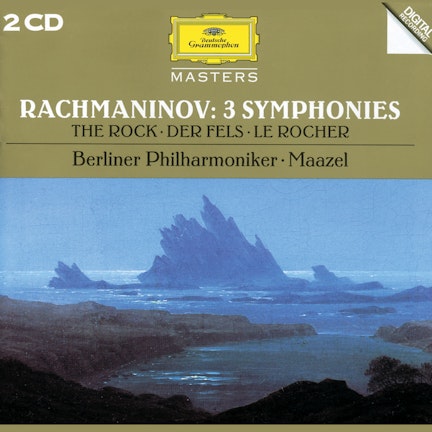
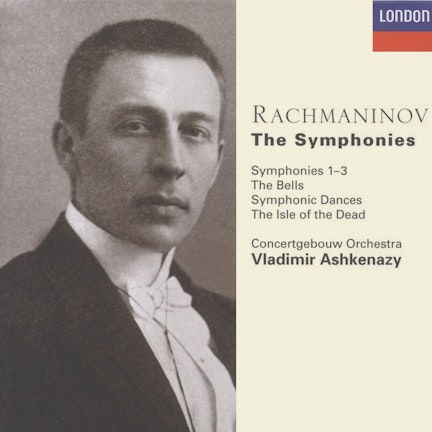
Rachmaninov: 3 Symphonies
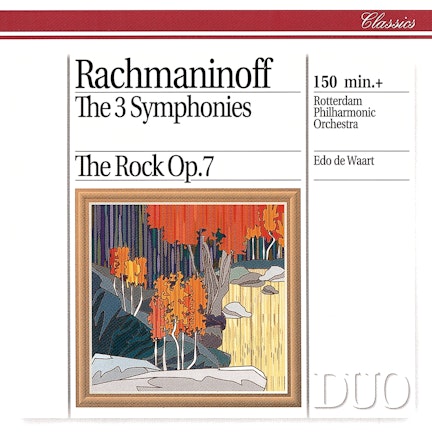
Rachmaninov: The Symphonies; The Rock
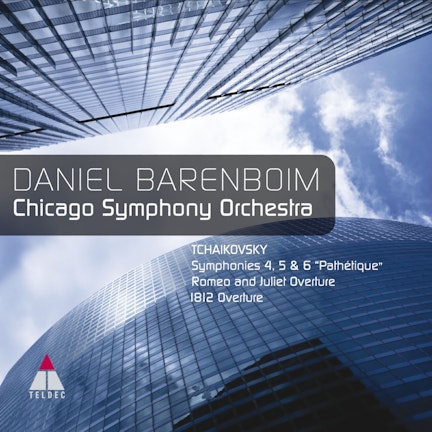
Barenboim and Chicago Symphony Orchestra - The Erato-Teldec Recordings, Vol. 2
Rachmaninov: The Symphonies etc.
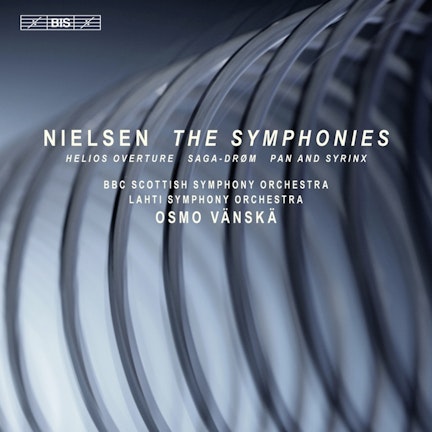
Nielsen: The Symphonies
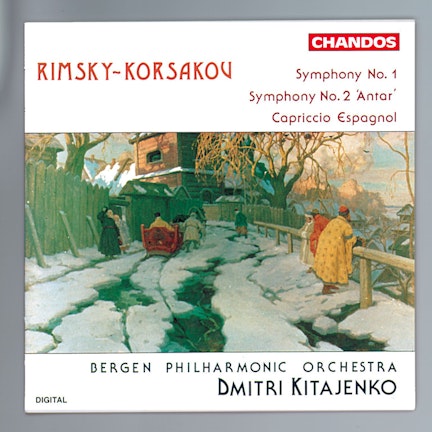
Rimsky-Korsakov: Symphonies Nos. 1 and 2 & Capriccio Espagnol