Saint-Saens, C.: Cello Concertos Nos. 1 and 2 / Le Cygne (Arr. for Cello and Orchestra)
1/1/2007, 8 Tracks, 46:26
Featuring
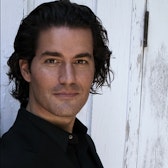
David Stewart Wiley
Zuill Bailey
Anastasia Jellison
Roanoke Symphony Orchestra
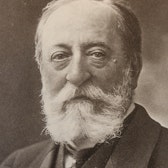
Camille Saint-Saëns
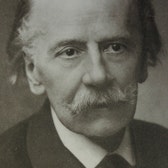
Jules Massenet
Did you know?
1/7
Composer Biography
Jules Massenet, a slightly younger colleague of Saint-Saëns, shared similar 'Gallic artistic qualities,' including creative fluency, craft mastery, and an aesthetic that valued charm and balance.
Composition History
The Cello Concerto No. 1 in A minor, Op. 33, was composed by Saint-Saëns in late 1872 and premiered on January 19, 1873, at the Paris Conservatory by cellist Auguste Tolbeque.
Composer's Artistic Vision
Camille Saint-Saëns' music is characterized by uncommon beauty and a satisfying sense of achieving precisely what the composer intended, rather than audacious risk-taking or grappling with apocalyptic issues.
Critical Reception
Saint-Saëns himself noted that his Cello Concerto No. 2 "will never be as well-known as the First: it is too difficult," contributing to its neglect.
Cultural Impact
The 'Meditation' from Jules Massenet's opera Thaïs rapidly became a concert favorite, with its solo violin melody being reassigned to various instruments.
Composer Biography
The great French composer Hector Berlioz once remarked that Camille Saint-Saëns, a younger colleague, "lacks only inexperience," noting his vast knowledge and mastery of compositional craft.
Compositional Technique
Saint-Saëns' Cello Concerto No. 1 features an unusual one-movement formal design, replacing the standard independent slow movement with a lengthy lyric interlude.
You might also enjoy...
Favourite Cello Concertos
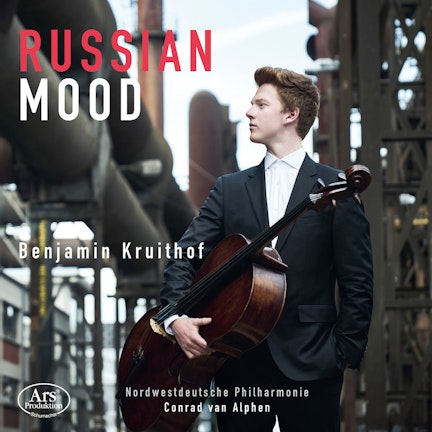
Russian Mood
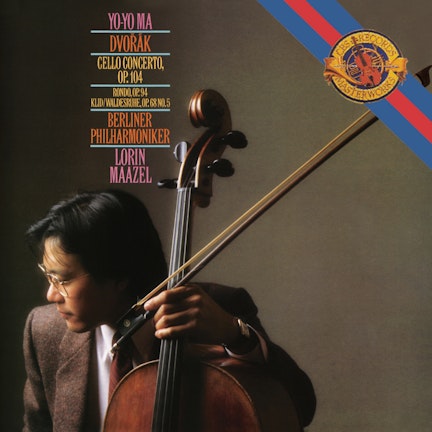
Dvorák: Cello Concerto in B Minor, Silent Woods & Rondo in G Minor (Remastered)
Dvorak: Cello Concerto; Silent Woods; Rondo
Russian Masterpieces for Cello & Orchestra
Saint-Saëns: Cello Concerto No.1; Cello Sonata No.1; Suite, Op. 16; Le Cygne From Le Carnival Des Animaux; Allegro Apassionato, Op. 43; Romance In F Major, Op. 36
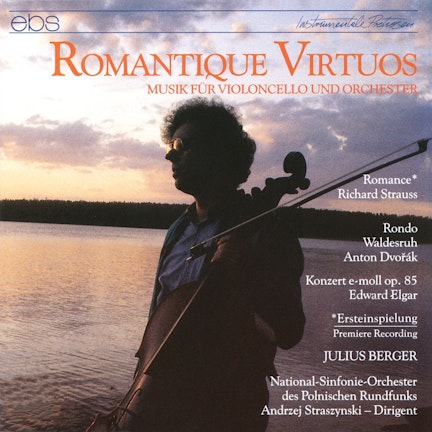
Romantique Virtuos - Music for Violoncello & Orchestra