Despite his encyclopaedic culture, Saint-Saëns was most interested in the immediacy of music and its direct impact, avoiding deliberately complex compositions.
Compositional Technique
Saint-Saëns's Sonata No. 2 for cello and piano features a Scherzo with eight variations, one of which is in the form of a fugue.
Composition History
The second movement of Saint-Saëns's Cello Sonata No. 1 originated as an elaboration of an improvisation on the organ of Saint-Augustin.
Composer Biography
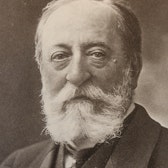
Camille Saint-Saëns, born in 1835, lived through a long and varied chapter of history, from the height of Mendelssohn, Chopin, Schumann, and Liszt to after the First World War.
Compositional Technique
Saint-Saëns's Sonata No. 1 for cello and piano includes a second theme in D-flat major, a key far removed from the C minor setting, differentiating it from classical rules.
Composer's Artistic Vision
Saint-Saëns's later sonatas for oboe, clarinet, and bassoon, written in 1921, show a remarkable synthesis and a pared-down form, differing significantly from his earlier works.
Instruments
Saint-Saëns's sonatas for oboe and bassoon are notable for giving these instruments a prominent role in the sonata form, and for technical innovations like introducing a high E into a bassoon score.
You might also enjoy...
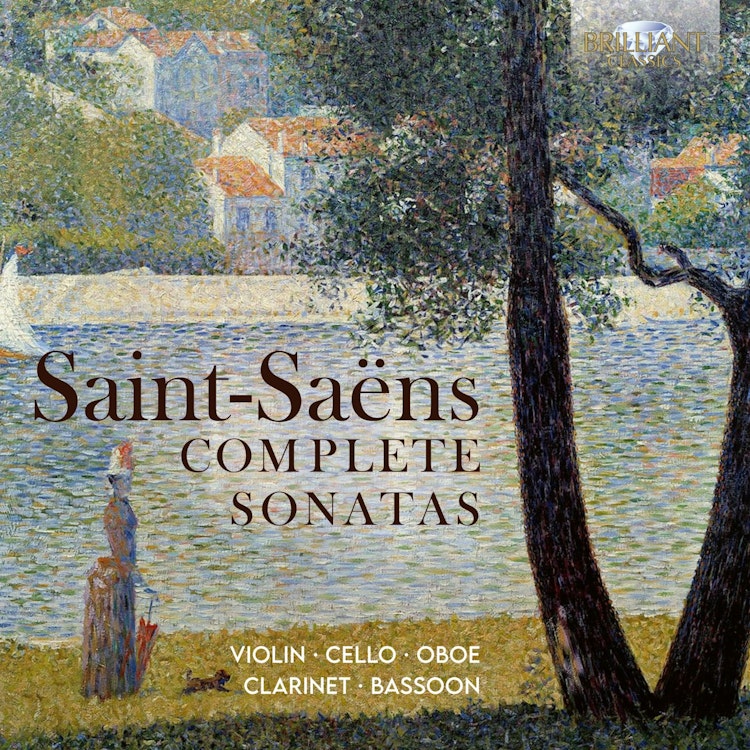
Saint-Saëns: Complete Sonatas
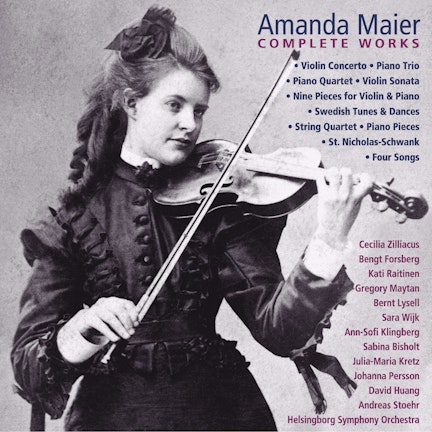
Amanda Maier: Complete Works
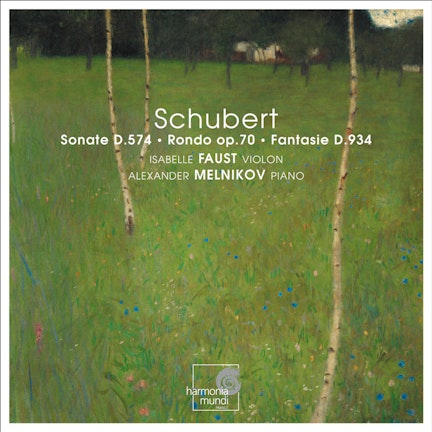
Schubert: Duos pour piano et violon
Raff: Works for Violin and Piano, Vol. 2
Ernő Dohnányi, Jenő Hubay, Károly Goldmark: Hungarian Violin Sonatas
Freitas Branco - Complete Violin Sonatas and Piano Trio
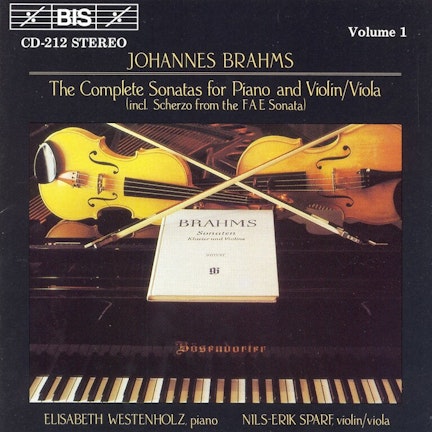
Brahms: Complete Violin/Viola Sonatas, Vol. 1
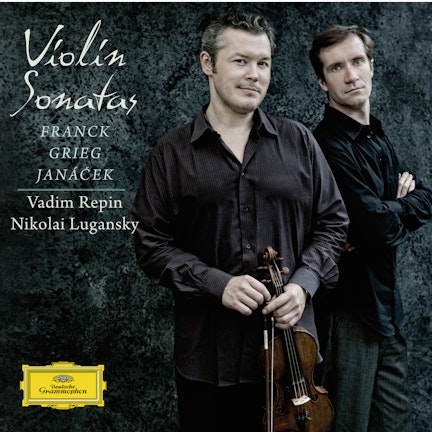
Violin Sonatas
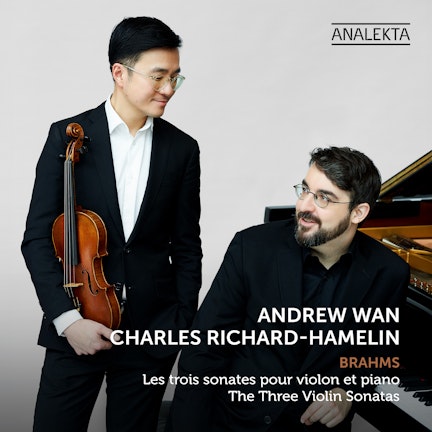
Brahms: The Three Violin Sonatas
Weinberg 1945
Three Generations
Morningside Music Bridge 2001 Highlights Collection